
The Science of Fasting: Autophagy and Cellular Cleaning
Published on February 5, 2026 by Admin
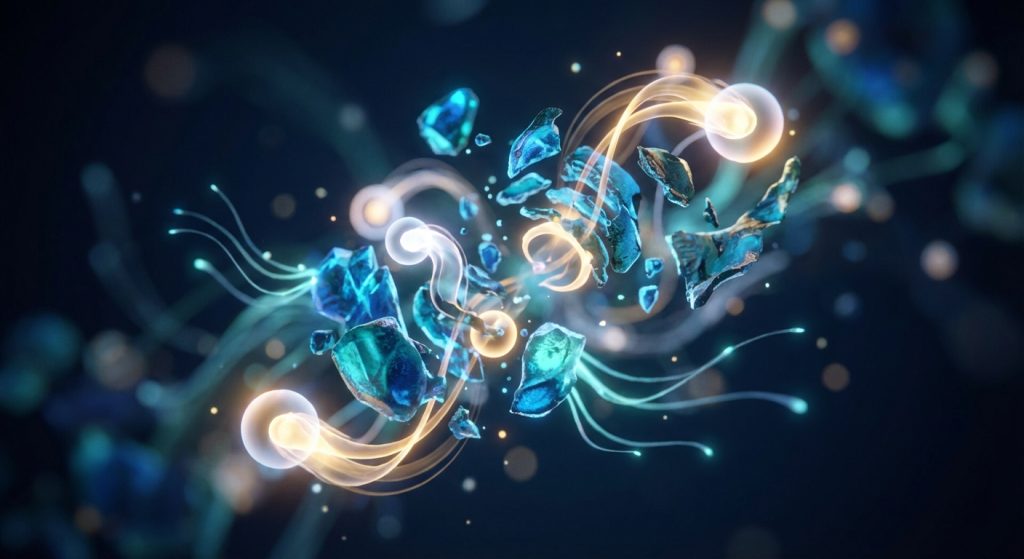
Longevity seekers, listen closely. We are on the cusp of understanding our bodies at a profound level. This journey into longevity often leads us to explore ancient practices. Many of these practices share a common thread: fasting. But fasting is more than just abstaining from food. It triggers powerful internal processes. One of the most exciting is autophagy. This is your body’s natural cellular cleaning system. It’s essential for health and longevity.
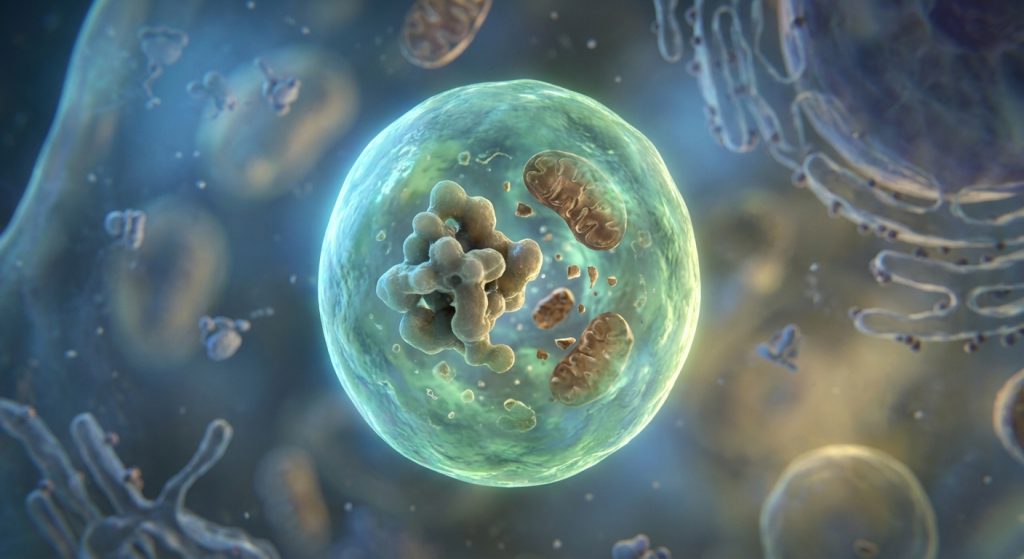
Let’s dive deep into the science. We will explore what autophagy is. We will also examine how fasting activates it. Furthermore, we’ll discuss its benefits for cellular health. Finally, we will touch upon how you can harness this power for a longer, healthier life.
What is Autophagy?
Autophagy is a Greek word. It means “self-eating.” In biological terms, it’s a vital cellular process. Cells degrade and recycle their own damaged components. Think of it as a cellular housekeeping service. It removes old, worn-out, or damaged organelles. It also clears out misfolded proteins. These can be harmful if they accumulate. The cell then reuses the broken-down parts. This is crucial for maintaining cellular health. It also ensures cellular efficiency.
This process is fundamental for survival. It happens in all our cells. It helps us adapt to stress. For example, it activates during starvation. It also occurs during periods of growth. Autophagy is tightly regulated. It’s a complex molecular pathway. Scientists have identified many genes involved. These genes control the formation of autophagosomes. These are double-membraned vesicles. They engulf cellular debris. Then, they fuse with lysosomes. Lysosomes contain enzymes. These enzymes break down the engulfed material.
How Fasting Triggers Autophagy
Fasting is a potent stimulus for autophagy. When you don’t eat, your body’s energy sources change. It shifts from using glucose to using stored fat. This metabolic switch signals the cells. It tells them to conserve energy. One way cells conserve energy is by initiating autophagy. This process cleans up internal cellular “junk.” This makes the cell more efficient. It can then better utilize available resources.
There are different types of fasting. Intermittent fasting (IF) is very popular. It involves cycling between periods of eating and voluntary fasting. For instance, the 16/8 method involves fasting for 16 hours. You then eat within an 8-hour window. Longer fasting periods, like 24-48 hours, can induce higher levels of autophagy. However, it’s important to approach longer fasts cautiously. Always consult a healthcare professional first. Even shorter fasting periods can activate autophagy. This is because they create a mild metabolic stress. This stress is beneficial. It prompts the cellular clean-up.
The key mechanism involves nutrient sensing pathways. These pathways, like mTOR and AMPK, are sensitive to nutrient availability. During fasting, nutrient levels drop. This inhibits mTOR. mTOR is a major suppressor of autophagy. Conversely, fasting activates AMPK. AMPK is an energy sensor. It promotes autophagy. Therefore, the absence of nutrients is the primary trigger.
The Benefits of Autophagy for Longevity
Autophagy plays a significant role in aging and longevity. As we age, our cellular machinery becomes less efficient. This includes the autophagy process. Damaged components accumulate. This accumulation contributes to cellular dysfunction. It can lead to age-related diseases. These include neurodegenerative disorders and cancer. Enhanced autophagy can combat this. It helps maintain cellular health. This, in turn, can slow down the aging process.
Here are some key benefits:
- Cellular Repair and Regeneration: Autophagy removes damaged cellular parts. This allows cells to function optimally. It promotes the regeneration of healthy cellular components.
- Neuroprotection: In the brain, autophagy clears misfolded proteins. These proteins are implicated in diseases like Alzheimer’s and Parkinson’s. By clearing them, autophagy helps protect neurons. It supports brain health as we age.
- Disease Prevention: By removing cellular damage, autophagy can reduce the risk of various diseases. This includes metabolic disorders, cardiovascular disease, and cancer. It’s a proactive defense mechanism.
- Metabolic Health Improvement: Autophagy is linked to improved insulin sensitivity. It can help regulate blood sugar levels. This is crucial for preventing type 2 diabetes. You can learn more about intermittent fasting and metabolic health here.
- Enhanced Immune Function: Autophagy helps regulate the immune system. It removes intracellular pathogens. It also clears out old immune cells. This contributes to a more robust immune response.
- Mitochondrial Health: Mitochondria are the powerhouses of our cells. Autophagy specifically targets and removes damaged mitochondria. This process is called mitophagy. It ensures that only healthy mitochondria remain. This is vital for energy production and cellular function. You can explore more about mitochondrial health and slowing cellular aging.
How to Enhance Autophagy
Fasting is the most studied method. However, other lifestyle factors can also influence autophagy. These include exercise and calorie restriction. Additionally, certain compounds might support autophagy.
1. Intermittent Fasting Protocols
As discussed, IF is a powerful tool. Various protocols exist. Choose one that suits your lifestyle and health. Always start gradually. Listen to your body.
- 16/8 Method: Fast for 16 hours, eat within an 8-hour window.
- 5:2 Diet: Eat normally for five days a week. Restrict calories to about 500-600 on two non-consecutive days.
- Alternate-Day Fasting: Alternate between days of normal eating and days of significant calorie restriction or complete fasting.
It’s crucial to note that consistent fasting is key. However, prolonged or extreme fasting should only be undertaken with medical supervision. For example, individuals with a history of eating disorders or certain medical conditions should exercise extreme caution. Always consult with a healthcare provider before starting any new fasting regimen.
2. Exercise
Regular physical activity can also stimulate autophagy. Both aerobic and resistance training have been shown to increase autophagy markers. Exercise creates a mild stress on muscles. This stress triggers cellular repair mechanisms. Autophagy is one of them. It helps clear damaged muscle fibers. It also promotes muscle growth and recovery. Therefore, staying active is beneficial for cellular health.
3. Calorie Restriction
Reducing overall calorie intake, even without strict fasting, can also promote autophagy. This is known as calorie restriction (CR). CR has been shown to extend lifespan in many animal models. It does so, in part, by upregulating autophagy. However, CR must be done carefully. It should not lead to malnutrition. It aims for a sustained reduction in caloric intake. This is different from short-term fasting.
4. Specific Foods and Compounds (Emerging Research)
While fasting is the primary driver, some research suggests certain foods and compounds may support autophagy. These include:
- Resveratrol: Found in grapes and red wine.
- Curcumin: The active compound in turmeric.
- Green Tea Extract: Rich in antioxidants like EGCG.
- Spermidine: Found in wheat germ and aged cheese.
However, the evidence for these is still developing. More research is needed. They should be considered supplementary. They are not a replacement for fasting or a healthy diet.
Potential Downsides and Considerations
While autophagy is beneficial, it’s not without considerations. For some individuals, fasting may not be suitable. This includes pregnant or breastfeeding women. It also includes individuals with a history of eating disorders. People with certain medical conditions, like diabetes, should consult their doctor. Fasting can affect blood sugar levels. It’s essential to approach fasting with awareness.
Over-fasting or improper fasting can lead to:
- Nutrient deficiencies.
- Muscle loss (if protein intake is insufficient).
- Electrolyte imbalances.
- Fatigue and dizziness.
Therefore, moderation and personalization are key. Understanding your own body is paramount. Consulting with a healthcare professional is always recommended before making significant dietary changes.
The Future of Autophagy Research
The field of autophagy research is rapidly expanding. Scientists are exploring new ways to target autophagy. This could lead to novel therapies for various diseases. For example, researchers are investigating drugs that can selectively induce autophagy. This could be beneficial for treating neurodegenerative diseases. It might also help in fighting infections. The potential applications for longevity are vast. Further research will unlock more secrets. This will help us harness autophagy for optimal health.
Frequently Asked Questions (FAQ)
How quickly does autophagy start during fasting?
Autophagy generally begins to increase after about 12-16 hours of fasting. However, the levels can vary significantly between individuals. Shorter periods might trigger a mild increase, while longer periods induce more robust autophagy.
Can I drink coffee or tea while fasting for autophagy?
Black coffee and plain tea (without milk or sugar) are generally considered acceptable during fasting periods. They contain very few calories. They can also have some beneficial compounds. However, adding milk, cream, or sugar will break your fast. This will inhibit autophagy.
Is autophagy the only benefit of fasting?
No, fasting offers numerous other benefits. These include improved insulin sensitivity, weight management, enhanced brain function, and reduced inflammation. Autophagy is a significant one, but not the only one.
Can I do autophagy without fasting?
While fasting is the most potent and well-researched method, other factors like exercise and severe calorie restriction can also promote autophagy. Some compounds are also being studied, but their effect is less pronounced than fasting.
How do I know if autophagy is happening?
Directly measuring autophagy in humans is complex. However, you can infer its activation through consistent fasting practices. Also, observing improvements in energy levels, mental clarity, and overall well-being can be indirect indicators.
Conclusion
The science of fasting and autophagy is a compelling area for longevity seekers. Autophagy, your body’s innate cellular cleaning process, is crucial for cellular health. It plays a vital role in preventing disease and slowing aging. By understanding how fasting triggers this process, you can strategically incorporate it into your lifestyle. Remember to approach fasting mindfully. Always prioritize your individual health needs. Consulting with healthcare professionals is a wise step. Embracing the power of autophagy can be a significant step towards a longer, healthier, and more vibrant life. It is a testament to the incredible capabilities of our own bodies.
