
Vertical Hospitals: Healing Towers for Dense Cities
Published on February 5, 2026 by Admin
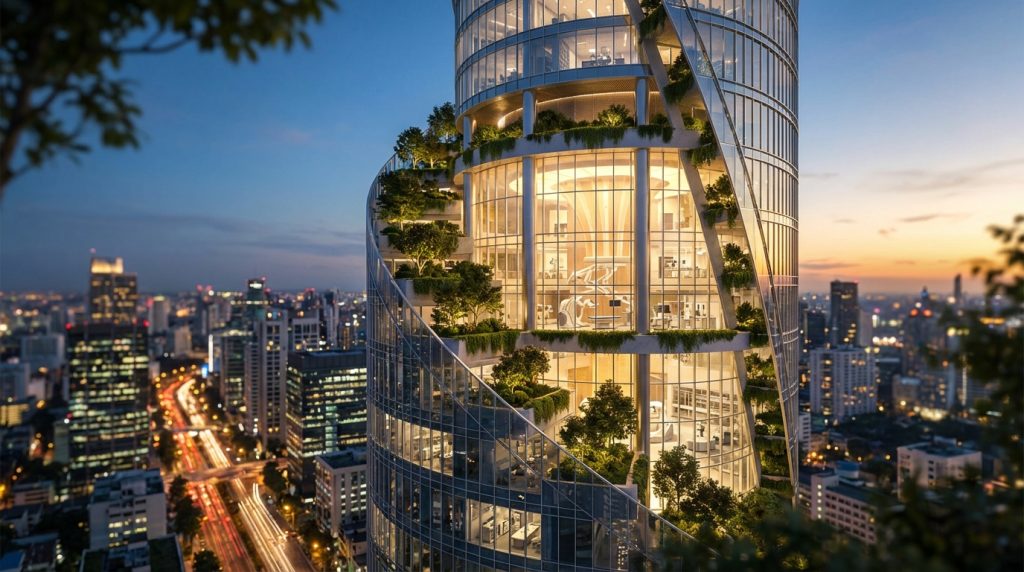
Urban landscapes are growing upwards. So must our healthcare infrastructure. Vertical hospitals are the answer. They offer innovative solutions. These designs are crucial for dense cities. They maximize land use. They also bring advanced care closer to people. Architects and urban planners face unique challenges. Designing these complex structures requires careful thought. This article explores the future of healthcare architecture.
The Need for Vertical Healthcare
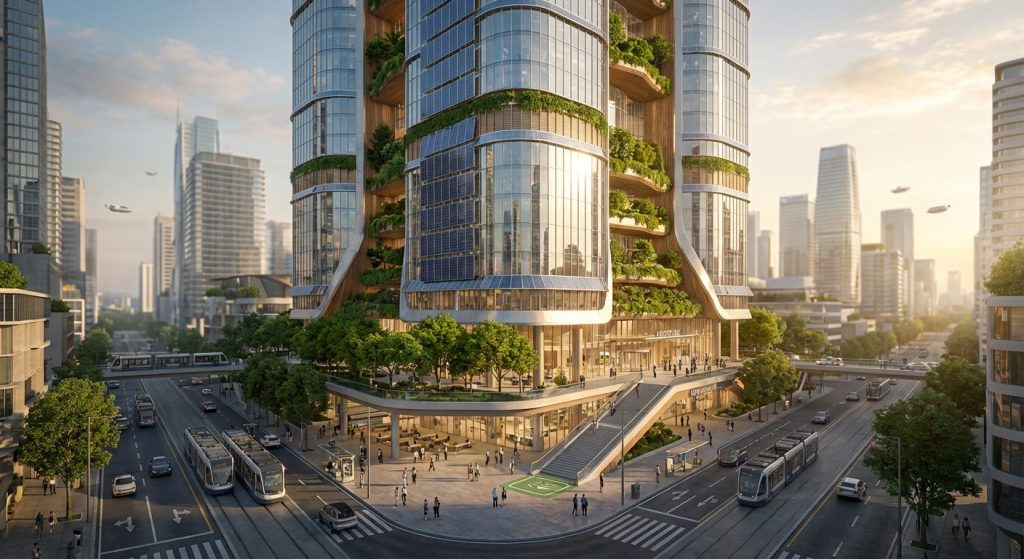
Cities are becoming more crowded. Land is a precious commodity. Traditional, sprawling hospitals are often impractical. They consume vast amounts of space. This is a major issue in urban centers. Vertical hospitals solve this problem. They build medical facilities upwards. This preserves valuable urban land. It also allows for more efficient use of space. Furthermore, this approach brings healthcare services directly into densely populated areas. Therefore, residents have quicker access to critical care.
Space Optimization is Key
Designing a vertical hospital means thinking vertically. Every floor must serve a purpose. Efficiency is paramount. Departments are stacked logically. For example, outpatient services might be on lower floors. Inpatient wards occupy mid-levels. Surgical suites and critical care units are often higher up. This arrangement minimizes travel time for staff and patients. It also improves logistical flow. Furthermore, it allows for specialized zones. This separation can enhance patient privacy and reduce infection spread.
Design Considerations for Vertical Hospitals
Building upwards presents distinct challenges. Structural integrity is vital. Hospitals are heavy buildings. They house complex equipment. Advanced engineering is necessary. This ensures safety and stability. Natural light is also important. It aids patient recovery. Large windows and atria can bring sunlight deep into the building. Circulation is another major factor. Efficient elevators are essential. They must handle high traffic. This includes patients, staff, and supplies. Moreover, clear wayfinding is crucial for patients. They can easily get lost in large buildings.
Structural and Engineering Prowess
The foundations of a vertical hospital are critical. They must support immense weight. This includes patient beds, medical machinery, and structural elements. Advanced seismic considerations are also paramount. Tall buildings are more susceptible to earthquakes. Engineers use sophisticated modeling. They ensure the building can withstand seismic activity. The choice of materials is also important. They must be strong yet lightweight. This reduces the overall load on the structure. Therefore, innovation in structural design is constant.
Natural Light and Patient Well-being
Sunlight is a powerful healer. Architects strive to maximize natural light. This is challenging in tall buildings. Strategic placement of windows is key. Courtyards and light wells can also help. They channel daylight into interior spaces. Biophilic design principles are also incorporated. This means bringing nature indoors. Green spaces, natural materials, and views of nature enhance healing. For instance, rooftop gardens offer respite. They provide fresh air and calming views. Consequently, patient recovery rates can improve.
Efficient Circulation and Logistics
Moving people and goods efficiently is vital. Vertical hospitals rely heavily on elevators. Different elevator systems are used. Some are for patients, some for staff, and some for supplies. High-speed elevators reduce travel times. Dedicated service elevators ensure smooth logistics. They prevent bottlenecks. Furthermore, clear signage and intuitive layouts are essential. Patients and visitors need to navigate easily. This reduces stress. It also improves operational efficiency. Think about sterile supplies. They need to reach operating rooms quickly. Waste removal also needs to be efficient.
Integrating Technology and Sustainability
Modern hospitals are technological hubs. Vertical hospitals integrate advanced systems. Smart building technology is common. This includes automated climate control. It also manages lighting and energy usage. Telemedicine is also a key component. Remote consultations can be conducted easily. AI can assist in diagnostics. This technology can be seamlessly integrated into the building’s design. Sustainability is also a major focus. Green building materials are used. Energy-efficient systems reduce the hospital’s footprint. Rainwater harvesting and solar panels are also options. For example, these systems can reduce operational costs. They also contribute to a healthier environment.
Smart Hospital Infrastructure
The future of healthcare is smart. Vertical hospitals are designed with this in mind. Internet of Things (IoT) devices are integrated. These monitor everything from patient vital signs to equipment status. Building management systems optimize energy use. They also enhance security. Furthermore, advanced communication networks are essential. They support telemedicine and data sharing. This allows for seamless collaboration between medical teams. It also improves patient care coordination. Indeed, this technology is transforming hospital operations.
Sustainable Design for Healthier Futures
Hospitals have a significant environmental impact. Vertical designs offer opportunities for sustainability. Green roofs can reduce urban heat island effects. They also provide insulation. Water conservation systems are vital. Hospitals use large amounts of water. Rainwater harvesting and greywater recycling are employed. Energy efficiency is achieved through design. High-performance insulation reduces heating and cooling needs. Natural ventilation strategies are also used. Solar panels can supplement energy needs. Moreover, the choice of building materials matters. Recycled and locally sourced materials are preferred. This reduces embodied carbon. This commitment to sustainability benefits both patients and the planet.
Challenges and Innovations
Building a vertical hospital is not without its hurdles. Fire safety is a major concern. Tall buildings require robust fire suppression systems. Evacuation plans must be meticulous. The cost of construction is also high. Advanced technology and complex engineering demand significant investment. However, the long-term benefits often outweigh these costs. Innovations are constantly emerging. Modular construction techniques can speed up building times. Advanced materials offer better structural performance. Robotics can assist with logistics and even some medical procedures. For instance, robotic systems can deliver medications. This frees up nursing staff for patient care. The integration of AI is also transforming diagnostics and treatment planning.
Fire Safety and Evacuation Strategies
Safety is non-negotiable in a hospital. Fire safety in high-rise buildings is complex. Vertical hospitals require sophisticated fire detection and suppression systems. This includes sprinkler systems and fire-resistant materials. Compartmentation is crucial. It prevents fire from spreading between floors. Evacuation plans must be detailed and practiced. Stairwells must be protected. Firefighter elevators are also a standard feature. Furthermore, clear emergency communication systems are essential. Patients, many of whom may be immobile, need to be safely evacuated or sheltered in place.
Cost and Investment Considerations
Vertical hospitals are significant investments. The initial construction costs are substantial. This is due to complex engineering. It is also due to specialized equipment. However, the long-term operational savings can be considerable. Efficient space utilization means less land is needed. This reduces land acquisition costs. Energy-efficient designs lower utility bills. Streamlined logistics can reduce staffing needs. Moreover, improved patient outcomes can lead to fewer readmissions. Therefore, a strong business case can be made for these structures.
Emerging Technologies in Healthcare Architecture
Innovation drives the evolution of healthcare facilities. Modular construction allows for faster assembly. It also reduces waste. Prefabricated units can be built off-site. This ensures consistent quality. Advanced materials like self-healing concrete are being explored. These can extend building lifespan. Robotics are increasingly used. They can transport goods, clean spaces, and even assist in surgeries. Artificial intelligence is being integrated into building management. It can predict maintenance needs. It can also optimize energy consumption. This forward-thinking approach ensures vertical hospitals remain at the cutting edge.
The Future of Vertical Hospitals
Vertical hospitals are more than just buildings. They are integrated ecosystems. They combine advanced medical care with thoughtful design. They are essential for the future of urban healthcare. As cities continue to grow, these structures will become more common. They represent a commitment to accessible, efficient, and high-quality healthcare. Urban planners and architects must collaborate. They must envision these buildings as vital components of a healthy city. The goal is to create healing environments. These environments should be sustainable and technologically advanced. Ultimately, they serve the well-being of urban populations.
Frequently Asked Questions (FAQ)
What is a vertical hospital?
A vertical hospital is a medical facility designed as a high-rise building. It stacks various hospital departments and services vertically to maximize land use in dense urban areas.
Why are vertical hospitals needed in cities?
They are needed because urban land is scarce and expensive. Vertical hospitals allow for the development of advanced medical facilities without consuming large ground footprints. This ensures healthcare access for growing city populations.
What are the main design challenges for vertical hospitals?
Key challenges include structural engineering for tall, heavy buildings, ensuring efficient vertical circulation with elevators, maximizing natural light penetration, and implementing robust fire safety and evacuation systems.
How do vertical hospitals incorporate technology?
They integrate smart building systems for energy management, advanced communication networks for telemedicine, AI for diagnostics, and robotics for logistics and patient care support.
Are vertical hospitals more sustainable?
Yes, they can be designed with sustainability in mind through features like green roofs, water conservation systems, energy-efficient designs, and the use of eco-friendly materials.
