
Cryotherapy: Extreme Cold for Recovery & Inflammation
Published on February 6, 2026 by Admin

In the realm of sports recovery and managing inflammation, athletes and fitness enthusiasts are constantly seeking effective methods. One such technique gaining significant traction is cryotherapy. This article explores how extreme cold can be a powerful tool for healing and reducing inflammation.
What is Cryotherapy?
Cryotherapy, quite literally, means “cold therapy.” It involves exposing the body to extremely low temperatures for a short period. This exposure triggers a range of physiological responses that can aid in recovery and combat inflammation. Therefore, understanding its mechanisms is key to appreciating its benefits.
The Science Behind Extreme Cold Therapy
When your body is subjected to extreme cold, it initiates a natural defense mechanism. Firstly, your blood vessels constrict. This is known as vasoconstriction. As a result, blood flow to the affected area decreases. This reduction in blood flow helps to minimize swelling and inflammation. Furthermore, the cold temperature can numb nerve endings. This can significantly reduce pain signals. Additionally, the extreme cold stimulates the release of endorphins. These are natural mood boosters and pain relievers.
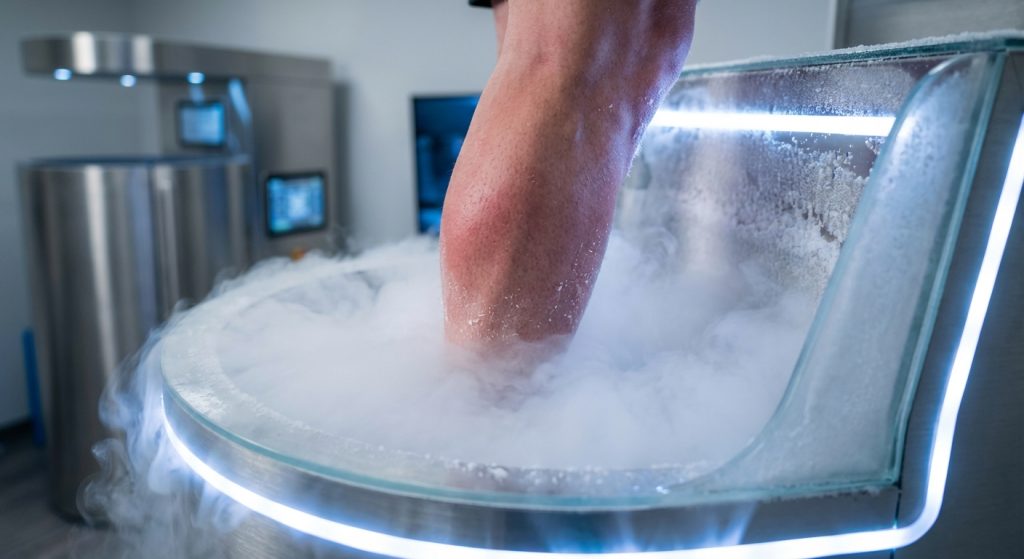
After the cold exposure, the blood vessels dilate. This process, called vasodilation, increases blood flow. This rush of blood helps to flush out metabolic waste products from the tissues. Therefore, this aids in the healing process. The overall effect is a reduction in pain, swelling, and muscle soreness.
Types of Cryotherapy
There are several forms of cryotherapy available. Each offers a slightly different experience and application. For instance, whole-body cryotherapy (WBC) is perhaps the most well-known. It involves standing in a special chamber or a cryo-sauna. Temperatures typically range from -110°C to -140°C (-166°F to -220°F). Athletes often use this for systemic recovery. In contrast, localized cryotherapy targets specific areas. This might involve ice packs or localized cryo-wands. This is often used for acute injuries. For example, a sprained ankle could benefit from localized treatment. Another form is cryo-massage. This combines cold therapy with massage techniques.
Whole-Body Cryotherapy (WBC)
WBC is a popular choice for athletes. It is believed to provide a comprehensive recovery benefit. The short duration of exposure, typically 2-4 minutes, makes it manageable. Moreover, the systemic effect can help reduce overall inflammation. This can improve recovery time between intense training sessions.
Localized Cryotherapy
Localized cryotherapy is more targeted. It is ideal for specific injuries or areas of pain. For example, a runner with plantar fasciitis might use a cryo-wand on their heel. This direct application can quickly reduce inflammation and pain in that specific spot. It’s a more accessible option for many.
Benefits for Sports Therapists and Gym-Goers
Cryotherapy offers a multitude of benefits for both sports therapists and their clients, as well as dedicated gym-goers. Firstly, it significantly accelerates muscle recovery. This means athletes can return to training sooner. Secondly, it reduces delayed onset muscle soreness (DOMS). Therefore, it makes the post-workout period more comfortable. Thirdly, it can help manage acute injuries. For instance, it can decrease swelling and pain after a sports-related incident. Furthermore, it may improve athletic performance by reducing fatigue. Finally, it can also have positive effects on mood and energy levels due to endorphin release.
- Faster muscle repair
- Reduced muscle soreness (DOMS)
- Effective management of acute injuries
- Potential for improved athletic performance
- Enhanced mood and energy
Sports therapists can integrate cryotherapy into their treatment plans. It can be used post-training or post-injury. This offers clients a cutting-edge recovery option. For gym-goers, it provides a way to push harder and recover faster. Therefore, it helps them achieve their fitness goals more efficiently.
How Cryotherapy Helps with Inflammation
Inflammation is a natural response to injury or stress. However, chronic inflammation can be detrimental. Cryotherapy directly combats inflammation. As mentioned earlier, the extreme cold causes vasoconstriction. This limits the inflammatory response. It reduces the influx of inflammatory cells to the injured area. Consequently, this leads to less swelling and tissue damage. Furthermore, the cold can reduce the production of inflammatory mediators like cytokines. This systemic reduction in inflammation is a key benefit for athletes dealing with overuse injuries or intense training loads.
Cryotherapy and Pain Management
Pain is often a symptom of inflammation and injury. Cryotherapy is highly effective at alleviating pain. The cold temperature numbs the nerve endings. This temporarily blocks pain signals from reaching the brain. This analgesic effect can provide immediate relief. Moreover, by reducing inflammation, cryotherapy addresses a root cause of pain. Therefore, it offers a more sustainable solution than pain medication alone. For sports therapists, this means clients can experience pain relief quicker. This allows for earlier intervention and rehabilitation.
Potential Risks and Considerations
While cryotherapy is generally safe when administered correctly, there are potential risks. For example, prolonged exposure can lead to frostbite or cold burns. Therefore, it is crucial to follow recommended session durations. Also, individuals with certain medical conditions, such as severe hypertension, heart conditions, or Raynaud’s syndrome, should avoid cryotherapy. It is always advisable to consult with a healthcare professional before undergoing cryotherapy. This ensures it is appropriate for your individual health status. Additionally, proper training and supervision are essential for operators of cryotherapy equipment. This is to ensure client safety.
- Risk of frostbite or cold burns
- Not suitable for individuals with certain medical conditions
- Requires professional supervision
- Importance of proper training for operators
It is also important to note that cryotherapy is not a cure-all. It is best used as part of a comprehensive recovery and wellness plan. For instance, combining it with proper nutrition and active recovery can yield the best results. You can learn more about optimizing your recovery with active recovery stretching routines.
Cryotherapy for General Well-being
Beyond athletic performance, cryotherapy can contribute to overall well-being. Some individuals report improved sleep quality after sessions. This is likely due to the endorphin release and reduced inflammation. Furthermore, the invigorating effect of the cold can boost energy levels. It can also improve mood. Some studies suggest potential benefits for skin conditions and even metabolism. However, more research is needed in these areas. Nevertheless, its role in stress reduction is becoming increasingly recognized. This is similar to the calming effects experienced through practices like forest bathing. Learn more about the clinical benefits of forest bathing.
Frequently Asked Questions about Cryotherapy
How long does a cryotherapy session typically last?
Most whole-body cryotherapy sessions last between 2 to 4 minutes. Localized treatments may vary depending on the area and equipment used.
Is cryotherapy safe for everyone?
No, cryotherapy is not suitable for everyone. Individuals with certain cardiovascular conditions, circulatory issues, or cold-related illnesses should avoid it. Always consult a doctor first.
What should I wear during cryotherapy?
During whole-body cryotherapy, you typically wear minimal clothing, often just underwear. Protective gear like gloves, socks, and ear protection is usually provided and worn.
Can cryotherapy help with chronic pain?
Yes, cryotherapy can help manage chronic pain by reducing inflammation and numbing nerve endings. However, it’s often used as part of a broader pain management strategy.
How often should I do cryotherapy?
The frequency depends on individual goals and tolerance. Athletes might use it several times a week for intense training periods. Others may opt for weekly sessions for general recovery and well-being.
Conclusion
In conclusion, cryotherapy offers a powerful, albeit intense, method for enhancing recovery, reducing inflammation, and managing pain. Its ability to trigger the body’s natural healing processes makes it a valuable tool for sports therapists and gym-goers alike. By understanding its mechanisms, types, and potential benefits, individuals can make informed decisions about incorporating this extreme cold therapy into their wellness routines. As research continues, the full scope of cryotherapy’s applications may expand even further.
