
Saving Vietnam’s Genetic Heritage: DNA Banking for Endangered Species
Published on February 6, 2026 by Admin
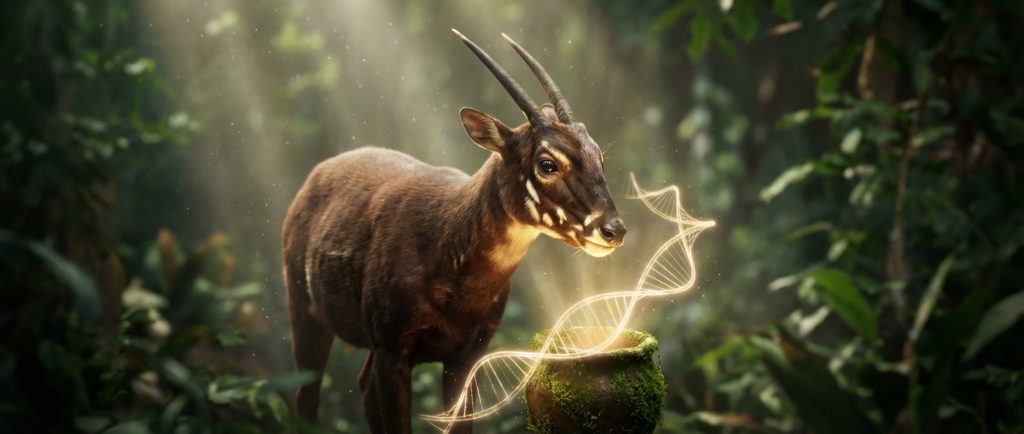
Vietnam is a nation of incredible biodiversity. It is home to countless unique species. Sadly, many of these are now facing extinction. Their habitats are shrinking. Their populations are dwindling. This loss is irreversible. It threatens our natural heritage. It also impacts ecosystem balance. Fortunately, there is a powerful tool emerging. It is called DNA banking. This technology offers hope. It can help save Vietnam’s precious genetic resources. Therefore, understanding its importance is crucial for scientists and NGOs alike.
The Urgent Need for Conservation in Vietnam
Vietnam boasts a rich tapestry of life. This includes iconic species like the Saola. It also includes numerous lesser-known but vital creatures. However, rapid development and human activities pose a significant threat. Habitat loss is a major driver of decline. Illegal wildlife trade also plays a devastating role. As a result, many species are on the brink. We are losing unique genetic information forever. This loss diminishes our planet’s resilience. It also impacts potential future discoveries.
The consequences of species extinction are far-reaching. It disrupts food webs. It can lead to cascading ecological failures. Furthermore, each species holds a unique genetic library. This library contains adaptations built over millennia. Losing it means losing potential solutions. These solutions could be for medicine, agriculture, or environmental challenges. Therefore, proactive conservation is not just an environmental issue. It is also a matter of future human well-being.
What is DNA Banking?
DNA banking, also known as genetic banking or cryopreservation, involves storing genetic material. This material can include DNA, RNA, cells, or tissues. The goal is to preserve this material long-term. It is typically stored at very low temperatures. This prevents degradation. It ensures the genetic information remains viable. Thus, it can be used for future research or even reproduction.
Think of it as a biological ark. It safeguards the genetic blueprints of species. This is especially critical for those at high risk of extinction. The process involves careful collection. It also requires specialized preservation techniques. Finally, it needs secure, long-term storage facilities. These facilities must maintain stable conditions. This ensures the integrity of the stored samples.
The Role of DNA Banking in Saving VN’s Species
For Vietnam’s endangered species, DNA banking offers several key benefits. Firstly, it provides a safeguard against immediate extinction. If a species disappears from the wild, its genetic material still exists. Secondly, it allows for future scientific study. Researchers can analyze the DNA. This can reveal evolutionary history. It can also uncover unique biological traits. For example, understanding resistance to certain diseases could be invaluable.
Moreover, DNA banking is a crucial step for potential de-extinction efforts. While still a complex and debated field, technologies like CRISPR are advancing. These technologies might one day allow us to revive extinct species. Having a genetic library is a prerequisite for such endeavors. This is why exploring de-extinction technology is relevant to saving Vietnam’s Javan Rhino.
Furthermore, DNA banks can support captive breeding programs. They can also aid in genetic rescue efforts. This involves reintroducing genetic diversity into small, inbred populations. This helps improve their long-term survival chances. Therefore, DNA banking is a multifaceted conservation tool.
Preserving Genetic Diversity
Genetic diversity is vital for a species’ survival. It allows populations to adapt to changing environments. It also helps them resist diseases. As populations shrink, genetic diversity often decreases. This makes them more vulnerable. DNA banking captures this diversity. It preserves alleles and gene combinations that might otherwise be lost. This is particularly important for species with limited geographic ranges within Vietnam.
Facilitating Research and Education
Stored DNA samples are invaluable for research. Scientists can use them to study population genetics. They can also investigate species’ evolutionary relationships. This knowledge is crucial for effective conservation strategies. Additionally, these samples can be used for educational purposes. They can inspire future generations of conservationists and scientists.
Challenges and Considerations
Despite its immense potential, DNA banking faces several challenges. Firstly, the collection of samples can be difficult. It often requires capturing or working closely with endangered animals. This must be done ethically and with minimal stress. Secondly, maintaining the long-term viability of samples requires significant resources. This includes specialized equipment and trained personnel. Funding is therefore a persistent hurdle.
Another consideration is ethical. Who decides which species to prioritize? How are samples stored and accessed? Establishing clear protocols and ethical guidelines is essential. Moreover, simply banking DNA is not enough. It must be part of a broader conservation strategy. This strategy should include habitat protection and anti-poaching efforts. As highlighted in articles on the fight against illegal wildlife trade, technology plays a vital role in conservation.
The sheer scale of biodiversity loss is also daunting. Vietnam has thousands of species. Prioritizing which ones to bank first is a significant undertaking. Therefore, international collaboration and local expertise are vital. This ensures a comprehensive and effective approach. Building robust infrastructure for DNA banking is also key. This aligns with advancements in diagnostics and sample analysis.
Establishing a DNA Bank for Vietnam
Creating a dedicated DNA bank for Vietnam’s endangered species would be a monumental step. It would require a collaborative effort. Key stakeholders would include:
- Government environmental agencies
- Research institutions and universities
- Conservation NGOs (both national and international)
- Veterinary experts and wildlife biologists
- Funding bodies and philanthropic organizations
Such a facility would need state-of-the-art cryopreservation capabilities. It would also require a secure database. This database should meticulously catalog each sample. It should include metadata such as species, location, date of collection, and collector. Furthermore, accessibility protocols are crucial. These protocols would govern how and by whom samples can be accessed for research or conservation purposes.
The establishment of this bank could also spur local innovation. It might lead to the development of new techniques for sample collection and preservation. This could further benefit conservation efforts in the region. Moreover, it would serve as a beacon of hope. It would demonstrate Vietnam’s commitment to safeguarding its natural heritage for future generations.
The Future of Genetic Heritage Preservation
DNA banking is just one piece of the puzzle. However, it is an indispensable one. As technology advances, so too will our ability to preserve and utilize genetic material. We may see more efficient DNA sequencing. We might also see improved methods for gene synthesis. This could open up new avenues for conservation and scientific discovery.
Ultimately, the goal is to prevent species from reaching the point of extinction. DNA banking serves as a critical backup. It ensures that their genetic legacy is not lost. This is particularly relevant when considering the interconnectedness of ecosystems. For instance, the health of soil microbes is vital for plant life, which in turn supports larger animals. Understanding these connections is part of a holistic approach to conservation.
Frequently Asked Questions
What is the primary purpose of DNA banking for endangered species?
The primary purpose is to preserve the genetic material of species at risk of extinction. This serves as a backup against complete loss and allows for future research, genetic rescue, and potentially de-extinction efforts.
What types of genetic material are stored in a DNA bank?
Typically, DNA, RNA, cells, and tissues are stored. These samples are preserved in a way that keeps their genetic information intact for long periods.
Who is responsible for collecting DNA samples from endangered animals?
DNA samples are usually collected by trained wildlife biologists, veterinarians, or conservation researchers. This process must be conducted ethically and with minimal stress to the animals.
Is DNA banking a substitute for habitat protection?
No, DNA banking is a complementary conservation tool. It is not a substitute for protecting the natural habitats of endangered species. Both are crucial for long-term survival.
What are the biggest challenges in establishing a DNA bank?
Major challenges include securing adequate funding, developing and maintaining specialized storage facilities, ethical considerations regarding sample collection and use, and the sheer scale of biodiversity that needs to be prioritized.
Conclusion
Vietnam’s natural heritage is a treasure. Protecting its endangered species is a moral imperative. DNA banking offers a vital lifeline. It provides a robust mechanism to safeguard precious genetic diversity. By establishing dedicated DNA banks and integrating this technology into broader conservation strategies, we can help ensure that the unique genetic heritage of Vietnam endures. This proactive approach is essential. It secures a richer, more resilient planet for all.
