
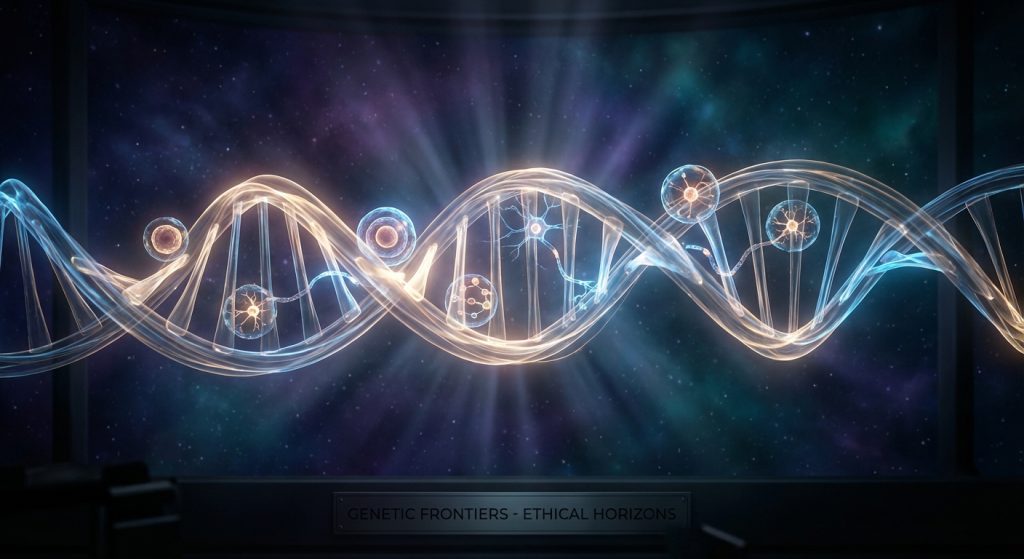
Gene editing is a powerful new technology. It allows scientists to change DNA. This has many potential benefits. However, it also raises serious ethical questions. We must consider these carefully. This article explores the ethics of “designer” health. It focuses on gene editing, especially CRISPR technology.
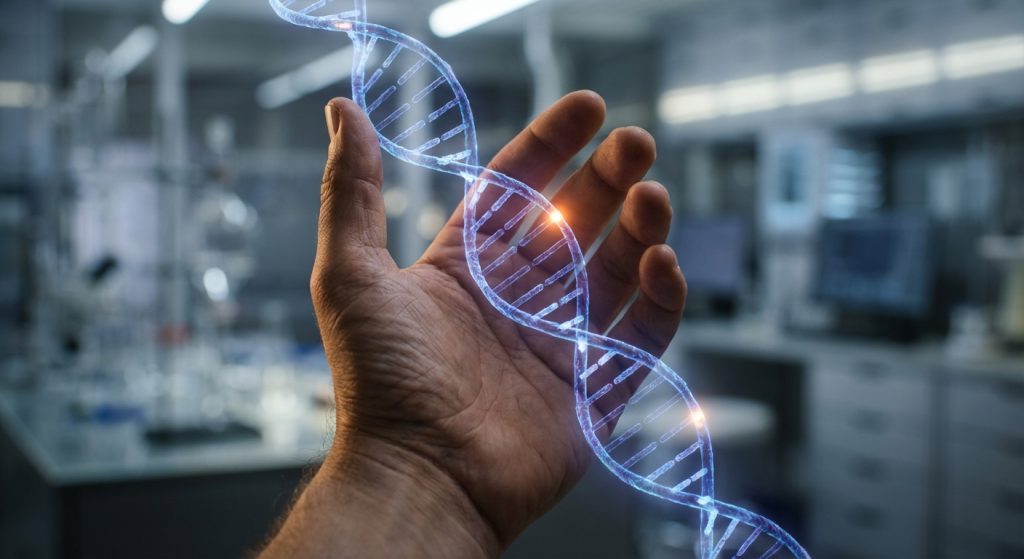
What is Gene Editing?
Gene editing is like a molecular scalpel. It targets specific parts of our DNA. Scientists can add, remove, or change genetic material. This can correct faulty genes. For instance, it can treat genetic diseases. The CRISPR-Cas9 system is a leading tool. It is precise and relatively easy to use. Therefore, it has revolutionized genetic research.
The Promise of Gene Editing
The potential of gene editing is vast. Firstly, it offers hope for inherited diseases. Conditions like cystic fibrosis and sickle cell anemia could be cured. Secondly, it may help fight cancer. Gene editing can modify immune cells to attack tumors. Thirdly, it could prevent infectious diseases. For example, it might make people resistant to HIV.
Moreover, gene editing could improve human health. It might enhance our bodies’ natural defenses. It could also slow down aging. The possibilities seem almost endless. However, these advancements come with significant ethical considerations.
The “Designer” Health Dilemma
The term “designer health” is concerning. It implies creating humans with specific traits. This goes beyond treating diseases. It moves into enhancement. For example, parents might want to select traits for their children. This could include intelligence or athletic ability. This is where the ethical debate intensifies.
Germline vs. Somatic Editing
It is crucial to distinguish between two types of gene editing. Somatic gene editing affects only the individual. Changes are not passed to future generations. Germline gene editing, however, alters sperm, eggs, or embryos. These changes are heritable. Therefore, they affect the entire human gene pool.
Germline editing is far more controversial. This is because the consequences are permanent. They affect all descendants. This raises profound questions about our role in shaping future humanity.
Ethical Concerns and Societal Impact
Several ethical concerns surround gene editing. One major issue is safety. Editing genes is complex. Off-target edits could have unintended consequences. These might be harmful. We need rigorous testing and oversight.
Another concern is equity and access. Gene editing therapies will likely be expensive. Will only the wealthy have access to these advancements? This could create a genetic divide. It might exacerbate existing social inequalities. Thus, ensuring equitable access is vital.
Furthermore, there is the question of human identity. What does it mean to be human if we can engineer ourselves? Will we lose our natural diversity? Will we create a society obsessed with perfection? These are deep philosophical questions.
The Slippery Slope Argument
Many worry about a “slippery slope.” They fear that allowing gene editing for medical reasons will lead to its use for enhancement. It is a valid concern. We must establish clear boundaries. International consensus and strict regulations are necessary.
For instance, some believe that editing for disease prevention is acceptable. However, editing for traits like eye color or height is not. Drawing this line is challenging. It requires careful ethical deliberation.
CRISPR Technology: A Double-Edged Sword
CRISPR technology has made gene editing more accessible. It is powerful. This power demands responsibility. While it can cure diseases, it can also be misused. Therefore, its development must be guided by ethical principles.
The scientific community is divided. Some advocate for rapid progress. Others urge caution. The debate highlights the complexity of this field. It is essential to foster open dialogue among scientists, ethicists, policymakers, and the public. This ensures that we proceed responsibly. We must also consider the long-term implications for society. For example, research into gene editing’s ethical boundaries is ongoing.
Navigating the Future of Health
Gene editing represents a monumental leap. It offers unprecedented control over our biology. However, this control comes with immense ethical weight. We must approach “designer” health with caution and wisdom.
Firstly, we need robust international regulations. These must guide research and application. Secondly, public engagement is crucial. Everyone should have a voice in shaping this future. Thirdly, a focus on therapy over enhancement is paramount. We should prioritize curing diseases before pursuing non-essential modifications.
The future of health is being rewritten. Gene editing is a key chapter. We must ensure it is written with ethical clarity and humanistic values. The goal should be to improve well-being for all, not just a select few. This is a shared responsibility for bioethicists and genetic engineers alike.
Frequently Asked Questions (FAQ)
What is the main ethical concern with gene editing for “designer” health?
The main ethical concern is the potential for gene editing to be used for enhancement rather than therapy. This could lead to creating “designer babies” with selected traits, raising issues of equity, human identity, and the potential for a genetic divide in society.
What is the difference between somatic and germline gene editing?
Somatic gene editing affects only the individual being treated and is not passed on to their offspring. Germline gene editing modifies reproductive cells (sperm, eggs) or embryos, meaning the changes are heritable and will be passed down to future generations. Germline editing is considered much more ethically complex due to its long-term, irreversible impact.
How can gene editing help treat diseases?
Gene editing can treat diseases by correcting faulty genes that cause inherited conditions like cystic fibrosis or sickle cell anemia. It can also be used to engineer immune cells to fight cancer or make individuals resistant to infectious diseases like HIV.
What are the safety concerns related to gene editing?
Safety concerns include the risk of “off-target” edits, where the gene-editing tool makes unintended changes to the DNA. These unintended changes could have harmful or unpredictable consequences for the individual’s health. Rigorous testing is essential to mitigate these risks.
Will gene editing therapies be accessible to everyone?
Currently, gene editing therapies are likely to be very expensive. This raises concerns about equity and access, potentially creating a divide where only wealthy individuals can afford these advanced treatments, thus exacerbating social inequalities. Ensuring equitable access is a major ethical challenge.
What is the role of CRISPR technology in gene editing?
CRISPR-Cas9 is a widely used and powerful gene-editing tool. It allows scientists to precisely target and modify specific DNA sequences, making gene editing more accessible and efficient than previous methods. However, its power also necessitates careful ethical consideration.
Why is germline gene editing more controversial than somatic gene editing?
Germline gene editing is more controversial because the changes made are heritable, affecting not just the individual but all their descendants. This raises concerns about unintended long-term consequences for the human gene pool and the ethics of making irreversible changes to future generations.
What steps are being taken to ensure ethical gene editing practices?
Efforts include developing international regulations and guidelines, fostering public dialogue and engagement, and prioritizing therapeutic applications over enhancements. Scientists, ethicists, and policymakers are working together to establish ethical frameworks for this powerful technology.
