Health-Integrated Architecture: Buildings That Boost Immunity
Published on February 6, 2026 by Admin
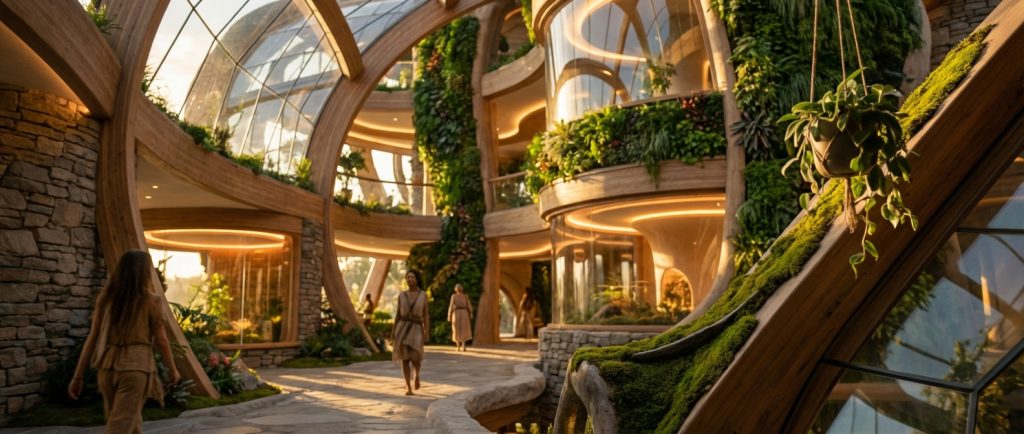
Buildings today do more than just offer shelter. They are dynamic environments. Architects and developers are now creating spaces that actively support occupant well-being. This is known as health-integrated architecture. It focuses on designing buildings that enhance our immune systems. Therefore, these structures become allies in our fight against illness.
This approach moves beyond basic safety standards. It delves into how our surroundings affect our health. It considers everything from air quality to natural light. Furthermore, it looks at the materials used and the overall atmosphere. The goal is simple: to create healthier living and working spaces.
The Foundation of Immunity: A Healthy Environment
Our immune system is constantly working. It defends us against pathogens. However, modern life often challenges it. Indoor environments can contribute to this. Poor air quality is a major concern. It can lead to respiratory issues. It also weakens our defenses.
Health-integrated architecture addresses this directly. It prioritizes excellent ventilation. This ensures a constant supply of fresh air. It also removes pollutants and allergens effectively. Therefore, occupants breathe cleaner air. This supports robust immune function.
Natural light is another key element. It regulates our circadian rhythms. This impacts sleep quality. Good sleep is vital for immunity. Buildings designed with ample natural light exposure improve sleep. Consequently, this boosts overall health.
Ventilation: The Breath of Life
Proper ventilation is not just about comfort. It is a critical health factor. Many buildings rely on recirculated air. This can concentrate airborne viruses and bacteria. It can also spread allergens. This is particularly problematic in shared spaces.
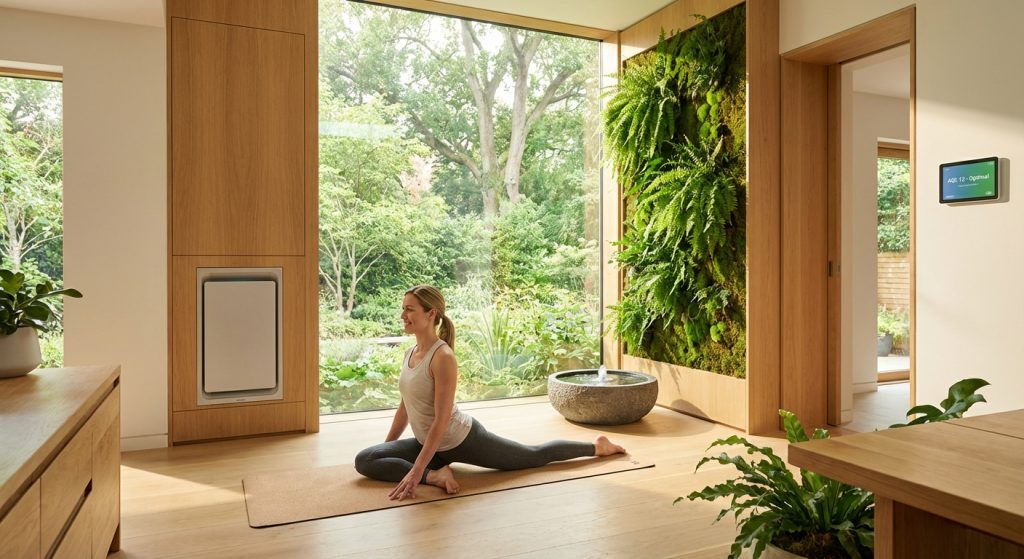
Health-integrated designs employ advanced ventilation systems. These systems often include high-efficiency particulate air (HEPA) filters. They also incorporate demand-controlled ventilation. This adjusts airflow based on occupancy. Therefore, energy is saved. Air quality is also optimized.
Furthermore, natural ventilation is encouraged where possible. Operable windows and strategic building orientation allow fresh air to circulate freely. This reduces reliance on mechanical systems. It also creates a more pleasant indoor environment. This approach aligns with principles of biophilic design, connecting occupants with the outdoors.
The Power of Natural Light
Sunlight has profound effects on our bodies. It influences vitamin D production. Vitamin D is crucial for immune cell function. It also helps regulate mood. Seasonal Affective Disorder (SAD) is linked to reduced light exposure.
Architects achieve optimal natural light through several strategies. These include:
- Large windows and skylights.
- Light shelves to bounce sunlight deeper into rooms.
- Strategic building orientation to maximize daylight.
- Atria and courtyards to bring light into interior spaces.
Additionally, interior design plays a role. Light-colored walls and reflective surfaces can enhance natural light distribution. This creates brighter, more uplifting spaces. These environments can positively impact mental well-being. This, in turn, supports physical health.
Materials Matter: Building a Healthier Foundation
The materials used in construction have a significant impact. Some materials off-gas volatile organic compounds (VOCs). These chemicals can harm respiratory health. They can also trigger allergies and asthma. Therefore, material selection is paramount.
Health-integrated architecture favors:
- Low-VOC paints and finishes.
- Natural and sustainable materials like wood, bamboo, and cork.
- Materials with antimicrobial properties.
- Recycled and non-toxic building components.
For example, using natural wood instead of treated lumber can reduce chemical exposure. Similarly, choosing natural fiber insulation over synthetic options improves indoor air quality. These choices contribute to a healthier indoor environment. They also reduce the building’s environmental footprint.
Avoiding Toxic Chemicals
VOCs are a major concern in building materials. They are found in paints, adhesives, carpets, and furniture. When these materials are new, they can release significant amounts of VOCs. This is known as off-gassing. Over time, this release diminishes. However, prolonged exposure can be harmful.
Developers are increasingly specifying low-VOC or zero-VOC products. This is a significant step. It directly reduces a major source of indoor air pollution. Furthermore, selecting materials that are certified for low emissions provides assurance. This is crucial for creating truly healthy buildings. It also helps mitigate risks associated with environmental endocrine disruptors, which can be found in various building materials and products, potentially impacting human health.
The Benefits of Natural and Sustainable Materials
Natural materials often have inherent health benefits. Wood, for instance, can help regulate humidity. It also has a calming effect. Bamboo is a rapidly renewable resource. It is also durable and aesthetically pleasing.
Sustainable materials are also often healthier. They are produced with fewer harmful chemicals. They also have a lower environmental impact. This holistic approach benefits both occupants and the planet. It aligns with a broader vision of well-being. This includes the health of our ecosystems.
Biophilic Design: Connecting with Nature Indoors
Biophilic design seeks to connect building occupants with nature. It recognizes our innate need for natural elements. This connection has proven benefits for health and immunity.
Key elements of biophilic design include:
- Incorporating plants and greenery.
- Using natural materials and patterns.
- Maximizing views of nature.
- Creating spaces that mimic natural environments.
Indoor plants, for example, can improve air quality. They also reduce stress. Studies have shown that exposure to nature can lower blood pressure. It can also improve focus and cognitive function. This is why integrating green spaces into offices is so beneficial.
The Healing Power of Greenery
Indoor plants act as natural air purifiers. They absorb carbon dioxide. They also release oxygen. Some plants can filter out specific pollutants. This contributes to a healthier indoor atmosphere. Furthermore, the presence of plants has psychological benefits.
Green walls and rooftop gardens are becoming popular. They bring nature directly into urban settings. These features create visually appealing and calming environments. They also contribute to biodiversity. This connection to nature can significantly boost our well-being. It can also indirectly support our immune systems.
Views of Nature and Natural Patterns
Simply looking at nature can be restorative. Buildings designed with ample views of gardens, parks, or natural landscapes offer this benefit. Even views of trees or water can reduce stress. This is a simple yet powerful design strategy.
Incorporating natural patterns and forms is also effective. This can include using organic shapes in furniture design. It can also involve using materials with natural textures. These elements create a sense of harmony. They remind us of our connection to the natural world. This connection is fundamental to our health.
Water and Air Quality: Essential for a Strong Immune System
Clean water and air are fundamental to health. Buildings play a crucial role in delivering both. Integrated designs focus on ensuring high standards for both.
This involves:
- Advanced water filtration systems.
- Regular monitoring of water quality.
- Designing for optimal air circulation and filtration.
- Using non-toxic materials that do not leach into water or air.
Clean water is essential for bodily functions. It supports nutrient transport. It also helps in waste removal. Poor water quality can lead to illness. Similarly, contaminated air weakens our respiratory defenses. It can also have systemic health impacts.
Ensuring Pure Drinking Water
Building plumbing systems can be a source of contamination. Lead pipes are a historical example. Modern buildings use safer materials. However, filtration remains important. Advanced filtration systems can remove contaminants. These include chlorine, heavy metals, and microplastics.
Developers are increasingly incorporating multi-stage water filtration. This ensures that tap water is safe and healthy to drink. It also encourages occupants to drink more water. This is vital for overall health and immunity. For example, smart water bottles and advanced filtration systems are part of a larger trend towards circular water systems.
Air Quality Beyond Ventilation
While ventilation is key, other factors also affect air quality. Humidity levels are important. High humidity can promote mold growth. Low humidity can dry out mucous membranes. This makes them more vulnerable to infection.
Integrated designs often include humidity control systems. They also use materials that do not harbor mold. Regular cleaning and maintenance are also essential. This ensures that the building’s systems continue to function optimally. It also prevents the buildup of dust and allergens. These can trigger immune responses.
Acoustic Comfort: The Sound of Health
Excessive noise is a significant stressor. It can disrupt sleep. It can also impair concentration. Chronic noise exposure has been linked to cardiovascular problems. Therefore, acoustic comfort is an important aspect of health-integrated architecture.
Design strategies for acoustic comfort include:
- Using sound-absorbing materials.
- Strategic placement of noisy equipment.
- Designing for sound insulation between rooms and floors.
- Incorporating elements of sound masking or white noise.
Creating a quiet and peaceful environment is crucial. It allows the body to rest and recover. This is essential for maintaining a strong immune system. It also promotes mental clarity and well-being.
Conclusion: Building for a Healthier Future
Health-integrated architecture represents a paradigm shift. It moves buildings from passive structures to active contributors to health. By focusing on ventilation, natural light, material science, biophilic design, and acoustic comfort, architects and developers can create spaces that actively support and improve our immunity.
These buildings are not just aesthetically pleasing. They are designed with human health at their core. They offer a tangible way to combat modern health challenges. Investing in health-integrated architecture is an investment in the long-term well-being of occupants. It is also a step towards creating more sustainable and resilient communities. This holistic approach is the future of responsible development.
Frequently Asked Questions (FAQ)
What is health-integrated architecture?
Health-integrated architecture is a design philosophy that focuses on creating buildings that actively promote and enhance the health and immunity of their occupants. It goes beyond basic building codes to incorporate elements that positively impact physical and mental well-being.
How can buildings improve my immunity?
Buildings can improve immunity by providing excellent indoor air quality through advanced ventilation, maximizing natural light exposure to regulate sleep and vitamin D levels, using non-toxic materials, incorporating biophilic elements like plants, and ensuring acoustic comfort to reduce stress.
Are there specific materials that boost immunity?
While no single material directly boosts immunity, using low-VOC paints, natural and sustainable materials like wood and bamboo, and antimicrobial surfaces contributes to a healthier indoor environment. This healthier environment supports a stronger immune system by reducing exposure to harmful chemicals and allergens.
What is the role of natural light in building design for health?
Natural light is crucial for regulating our circadian rhythms, which impacts sleep quality. It also aids in vitamin D production, essential for immune cell function. Buildings designed to maximize daylight exposure can lead to better sleep, improved mood, and a more robust immune system.
How does biophilic design contribute to better health?
Biophilic design connects occupants with nature through elements like indoor plants, natural materials, and views of the outdoors. This connection has been shown to reduce stress, lower blood pressure, improve cognitive function, and create a more calming and restorative environment, all of which support overall health and immunity.
What is the importance of ventilation in health-integrated buildings?
Effective ventilation is paramount. It ensures a constant supply of fresh air, removes pollutants, allergens, and airborne pathogens like viruses and bacteria. This leads to cleaner indoor air, which is essential for respiratory health and supports a well-functioning immune system.