
Menstrual Equity & Smart Tech: Protecting Your Cycle Data
Published on February 6, 2026 by Admin

Periods are a natural part of life for many. Yet, access to menstrual products remains a challenge for some. This is menstrual equity. Now, technology offers new ways to track cycles. Smart cups and apps are popular. But what about privacy? Your sensitive health data is at stake. Let’s explore this evolving landscape.
The Rise of Smart Menstrual Products
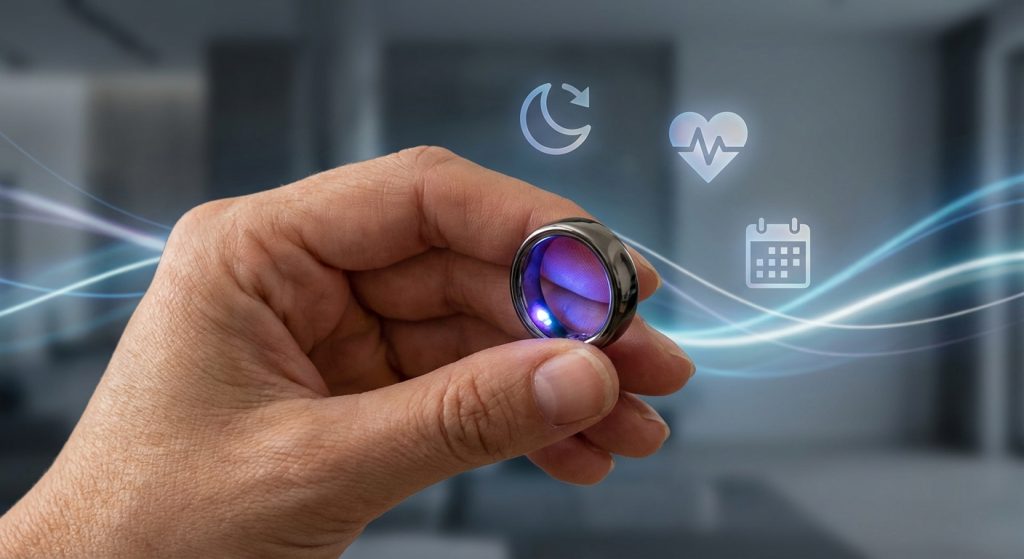
Technology is transforming how we manage our health. Menstrual tracking is no exception. Smart menstrual cups are leading this charge. These devices collect data. They track flow, duration, and patterns. This information can be very useful. It helps understand your body better. It can also predict periods. This offers convenience and insight.
Many apps complement these devices. They offer detailed cycle analysis. They can also predict ovulation. Furthermore, these tools can identify irregularities. This might signal underlying health issues. Therefore, they empower users with knowledge. However, this data is deeply personal. It requires careful handling.
Understanding Menstrual Equity
Menstrual equity means everyone can manage their period. This includes access to products. It also means education and resources. Many face barriers. These include cost and stigma. This impacts school attendance and work. It affects overall well-being. Therefore, ensuring menstrual equity is crucial.
Technology can help bridge gaps. Smart devices could offer insights. They might help manage irregular cycles. This is especially true for underserved communities. However, access is key. High-tech solutions must be affordable. They also need to be culturally sensitive. Otherwise, they might widen existing disparities.
Privacy Concerns with Smart Cycle Trackers
Your menstrual data is sensitive health information. It reveals intimate details about your body. Therefore, its protection is paramount. Smart cups and apps collect this data. They store it on servers. This raises significant privacy questions. Who owns this data? How is it used?
Many companies collect user data. They might use it for research. They could also sell it to third parties. This data could be used for targeted advertising. For example, it might be used for pharmaceutical ads. It could even be shared with insurance companies. This is a major concern for many users. The potential for misuse is high. Therefore, understanding privacy policies is vital.
Data Security Risks
Data breaches are a real threat. Hackers could access your sensitive information. This could lead to identity theft. It might also lead to discrimination. For instance, an employer might misuse your data. Insurance companies could deny coverage. Therefore, robust security measures are essential. Companies must prioritize data protection.
Encryption is a key security feature. It scrambles data. This makes it unreadable to unauthorized parties. Companies should also implement strong access controls. This limits who can see your data. Regular security audits are also important. They help identify vulnerabilities. As a result, proactive security is crucial.
Navigating Privacy Policies
Most apps have privacy policies. These are often long and complex. Many users don’t read them fully. However, they contain vital information. They explain what data is collected. They also detail how it’s used. Therefore, it’s important to read them carefully. Look for sections on data sharing and storage.
Pay attention to opt-out options. Can you control data usage? Can you delete your data? These are important questions. Some apps offer anonymized data options. This can help protect your identity. However, even anonymized data can sometimes be re-identified. Therefore, transparency is key. Companies should be clear about their practices.
Empowering Users: What You Can Do
You have a right to control your data. Several steps can help protect your privacy. Firstly, research the company behind the product. Look for their reputation. Check their privacy practices. Secondly, read the privacy policy carefully. Understand what you are agreeing to.
Thirdly, use strong, unique passwords. Enable two-factor authentication where possible. Fourthly, be mindful of app permissions. Does the app need access to your contacts? Does it need your location? Grant only necessary permissions. Finally, consider alternatives. Are there less data-intensive options available?
Choosing Privacy-Focused Brands
Some companies prioritize user privacy. They might use end-to-end encryption. They may also have clear data deletion policies. These brands are often more transparent. They may also be smaller or newer. However, they are worth investigating. Therefore, look for brands that are upfront about their data handling.
Some brands offer local storage. This means your data stays on your device. It is not sent to a server. This offers a higher level of privacy. However, it may limit some features. For example, cloud backup might not be available. Nevertheless, for many, this is a worthwhile trade-off. As a result, informed choices are essential.
The Future of Menstrual Tech and Privacy
The landscape is constantly evolving. New technologies emerge regularly. Regulations are also developing. Laws like GDPR and CCPA offer some protection. However, they may not cover all aspects of health data. Therefore, advocacy is important. Women’s health data needs specific consideration.
The demand for privacy-conscious products is growing. This will likely drive innovation. More companies may adopt stronger privacy measures. Furthermore, user education is key. As more people understand the risks, they will demand better protection. Therefore, staying informed is crucial for everyone.
Menstrual Equity and Data Rights
Menstrual equity is not just about access to products. It’s also about data rights. Women should have control over their health data. This is especially true for sensitive data like menstrual information. Therefore, advocating for stronger data privacy laws is important.
Smart devices can be powerful tools. They can empower users. However, they must be designed with privacy in mind. This means ethical data collection. It also means transparent usage policies. As a result, technology can truly serve menstrual equity goals. It can do so without compromising user privacy.
Frequently Asked Questions
What is menstrual equity?
Menstrual equity ensures everyone has access to menstrual products, education, and resources. It aims to remove the stigma and barriers associated with menstruation.
Are smart menstrual cups safe for my data?
Safety depends on the brand’s privacy policies and security measures. Some brands are more privacy-focused than others. It’s crucial to research and understand their practices.
Can my menstrual data be used against me?
Potentially, yes. Sensitive health data could be used for targeted advertising, insurance discrimination, or other purposes if not properly protected.
What are the best ways to protect my menstrual data?
Read privacy policies, choose privacy-focused brands, use strong passwords, enable two-factor authentication, and be mindful of app permissions.
How can technology help with menstrual equity?
Technology can provide accessible tracking tools and insights. However, affordability and data privacy must be considered to avoid exacerbating inequalities.
Conclusion
Smart menstrual products offer convenience. They provide valuable insights into our bodies. However, they also raise significant privacy concerns. Data security and ethical usage are paramount. Therefore, users must be informed. They need to understand the risks. They must actively protect their sensitive health data.
Advocating for stronger data privacy is essential. This is especially true for women’s health data. As technology advances, so too must our commitment to protecting personal information. By making informed choices, we can embrace innovation. We can do so while safeguarding our privacy and promoting menstrual equity for all.
