
Smart Inhalers: A Breath of Fresh Air for Urban Asthma
Published on February 6, 2026 by Admin
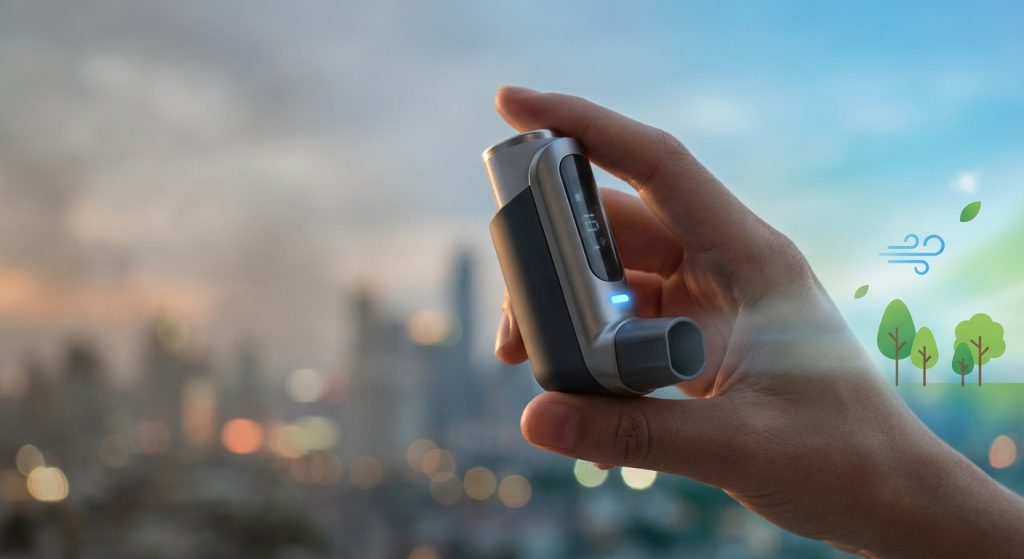
Asthma affects millions worldwide. For those living in polluted cities, managing this chronic respiratory condition presents unique challenges. Fortunately, technology is stepping in. Smart inhalers are emerging as powerful tools. They promise to revolutionize asthma management. This is especially true in urban environments plagued by poor air quality.
This article explores how smart inhalers can improve the lives of respiratory doctors and their patients. We will discuss their benefits, features, and impact on asthma control.
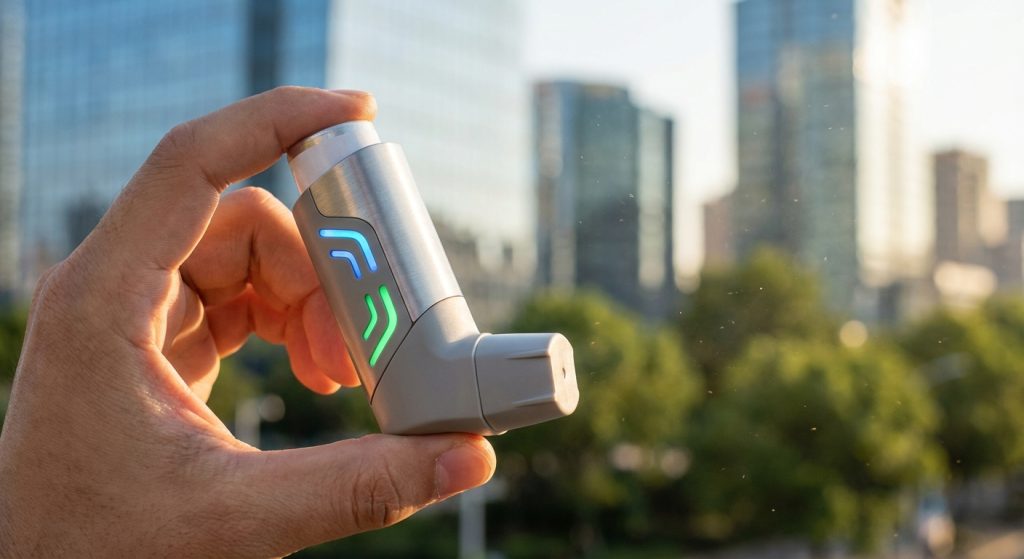
The Urban Asthma Epidemic and Air Pollution
Cities are hubs of activity. They are also often hotspots for air pollution. Traffic emissions, industrial activities, and other urban sources release harmful pollutants into the air. These include particulate matter (PM2.5), ozone, nitrogen dioxide, and sulfur dioxide.
For individuals with asthma, these pollutants are significant triggers. They can inflame airways. This leads to wheezing, coughing, shortness of breath, and chest tightness. In severe cases, it can result in life-threatening asthma attacks. Therefore, effective asthma management is crucial in these environments.
The link between air pollution and respiratory health is well-documented. Research consistently shows higher asthma prevalence and exacerbations in areas with poor air quality. This highlights the urgent need for advanced management strategies.
Introducing Smart Inhalers: More Than Just Medication Delivery
Traditional inhalers deliver medication. However, they offer limited insight into usage patterns or environmental triggers. Smart inhalers, on the other hand, integrate technology. They connect to smartphones or other devices via Bluetooth. This connectivity unlocks a wealth of data. It transforms a simple medical device into a comprehensive asthma management system.
These devices do more than just dispense medication. They track:
- When and where the inhaler was used.
- The dosage taken.
- Environmental data, such as air quality and pollen counts (when integrated with external data).
- Patient adherence to their treatment plan.
This data provides unprecedented insights. It empowers both patients and doctors. It allows for more personalized and proactive care.
Key Features of Smart Inhalers
Smart inhalers come with a range of features designed to enhance asthma management:
- Usage Tracking: Records date, time, and location of each puff. This helps identify patterns and potential triggers.
- Environmental Monitoring: Some devices can access local air quality data. They can alert users to high pollution days. This is particularly beneficial for those in polluted cities.
- Adherence Reminders: Sends notifications to remind patients to take their medication. This is vital for consistent symptom control.
- Data Sharing: Allows patients to securely share their usage data with their healthcare providers. This facilitates informed treatment adjustments.
- Symptom Logging: Many apps allow users to log their symptoms. This creates a comprehensive picture of their asthma control.
- Personalized Insights: Analyzes collected data to provide tailored advice and feedback.
Benefits for Patients
For patients, smart inhalers offer several significant advantages:
- Improved Self-Management: Empowers patients with knowledge about their condition. They can better understand their triggers and medication adherence.
- Enhanced Medication Adherence: Reminders and tracking features help patients stick to their prescribed treatment plans. This is crucial for preventing exacerbations.
- Early Detection of Deterioration: By tracking usage and symptoms, patients can notice early signs of worsening asthma. They can then seek medical advice sooner.
- Reduced Asthma Attacks: Proactive management based on data can lead to fewer and less severe asthma attacks.
- Greater Peace of Mind: Knowing they have a tool that actively helps monitor and manage their condition can reduce anxiety.
This technology fosters a sense of control. It shifts asthma management from a reactive approach to a proactive one. Patients become active participants in their care.
Benefits for Respiratory Doctors
The impact of smart inhalers extends to healthcare professionals:
- Objective Data for Diagnosis and Treatment: Doctors receive real-world data. This is more reliable than patient recall alone. It allows for more accurate diagnoses and treatment adjustments.
- Personalized Treatment Plans: The data helps tailor medication regimens and action plans to individual patient needs and environmental factors.
- Remote Monitoring: Doctors can monitor patient progress remotely. This is especially useful for patients with limited mobility or those in remote areas. It also helps manage large patient populations more efficiently.
- Early Intervention: Identifying patients at risk of exacerbations allows for timely intervention, potentially preventing hospitalizations.
- Improved Doctor-Patient Communication: Data-driven discussions lead to more productive consultations.
In essence, smart inhalers provide doctors with a powerful clinical support tool. This leads to more effective and efficient patient care. The insights gained can be invaluable for managing complex cases. For instance, understanding how air quality directly impacts medication use can inform public health strategies. This is a critical aspect in polluted urban settings.
Smart Inhalers in Polluted Cities: A Critical Application
Polluted cities present a unique set of challenges for asthma sufferers. High levels of air pollutants act as constant irritants. This necessitates a more vigilant approach to asthma management. Smart inhalers are particularly well-suited to address this need.
By integrating with local air quality data, smart inhalers can:
- Provide Real-Time Alerts: Warn patients when pollution levels are high. This allows them to take precautionary measures, such as staying indoors or using their rescue inhaler before exposure.
- Correlate Usage with Environmental Factors: Help patients and doctors understand the direct impact of pollution on their asthma symptoms and medication needs.
- Inform Behavioral Changes: Encourage patients to adjust their activities on high-pollution days. This could mean postponing outdoor exercise or using air purification systems indoors.
This targeted approach is essential for preventing exacerbations in high-risk urban environments. It moves beyond general asthma advice to specific, data-driven recommendations. The ability to link inhaler use directly to environmental conditions is a game-changer. It provides concrete evidence for lifestyle adjustments. For example, a patient might notice a spike in reliever inhaler use on days with high PM2.5 counts. This insight can then guide them to limit outdoor exposure on similar days in the future.
Furthermore, the data collected can inform public health initiatives. By aggregating anonymized data, health authorities can identify pollution hotspots. They can also understand the real-world impact of pollution on vulnerable populations. This can lead to better urban planning and air quality regulations. This aligns with broader efforts to create healthier urban environments. For instance, understanding the prevalence of respiratory distress linked to specific industrial zones could spur targeted environmental policies. This is a complex interplay between personal health technology and public health outcomes.
Challenges and Future Directions
Despite their promise, smart inhalers face some challenges:
- Cost: Smart inhalers can be more expensive than traditional ones. This can be a barrier for some patients.
- Technology Adoption: Not all patients are comfortable with or have access to the necessary technology (e.g., smartphones).
- Data Privacy and Security: Ensuring the secure handling of sensitive health data is paramount.
- Integration with Healthcare Systems: Seamless integration with existing electronic health records (EHRs) is still evolving.
However, the future looks bright. As technology advances and costs decrease, smart inhalers are likely to become more accessible. Future developments may include:
- More sophisticated sensors for detecting a wider range of environmental triggers.
- Integration with other wearable health devices for a holistic view of a patient’s health.
- Advanced AI algorithms for predictive analytics, anticipating asthma attacks before they occur.
- Greater interoperability between different devices and platforms.
The potential for these devices to transform chronic disease management is immense. They represent a significant step towards precision medicine. This is particularly relevant for conditions like asthma, which are highly influenced by environmental factors. The ongoing research into AI-driven drug discovery and AI in personalized healthcare further underscores the trend towards data-driven, intelligent health solutions.
Frequently Asked Questions (FAQ)
Are smart inhalers suitable for all types of asthma medication?
Smart inhaler technology can be adapted for various inhaler types, including metered-dose inhalers (MDIs) and dry powder inhalers (DPIs). However, compatibility may vary by device and medication formulation. It’s essential to consult with your doctor or pharmacist.
How does a smart inhaler connect to my phone?
Most smart inhalers use Bluetooth technology to connect wirelessly to a dedicated smartphone app. This app is where you can view your data, set reminders, and access insights.
Is my health data secure with a smart inhaler?
Reputable smart inhaler manufacturers prioritize data security and privacy. They typically use encrypted connections and adhere to strict data protection regulations. Always review the privacy policy of any health app or device you use.
Can smart inhalers replace my doctor’s advice?
Absolutely not. Smart inhalers are tools to enhance management and communication. They do not replace the need for regular medical check-ups and professional advice from your doctor. The data they provide is intended to support, not supplant, clinical judgment.
What is the difference between a smart inhaler and a regular inhaler?
A regular inhaler delivers medication. A smart inhaler does the same but also tracks usage, location, and often environmental data, syncing this information to an app for better insights and management.
Conclusion
Smart inhalers represent a significant leap forward in asthma management, particularly for individuals living in polluted urban environments. By providing objective data, personalized insights, and enhanced adherence support, they empower both patients and doctors. This technology offers a proactive approach to controlling asthma. It helps mitigate the impact of environmental triggers like air pollution. As the technology continues to evolve, smart inhalers will undoubtedly play an even more critical role in improving respiratory health outcomes in cities worldwide. They are a breath of fresh air for those seeking better control over their asthma.
