
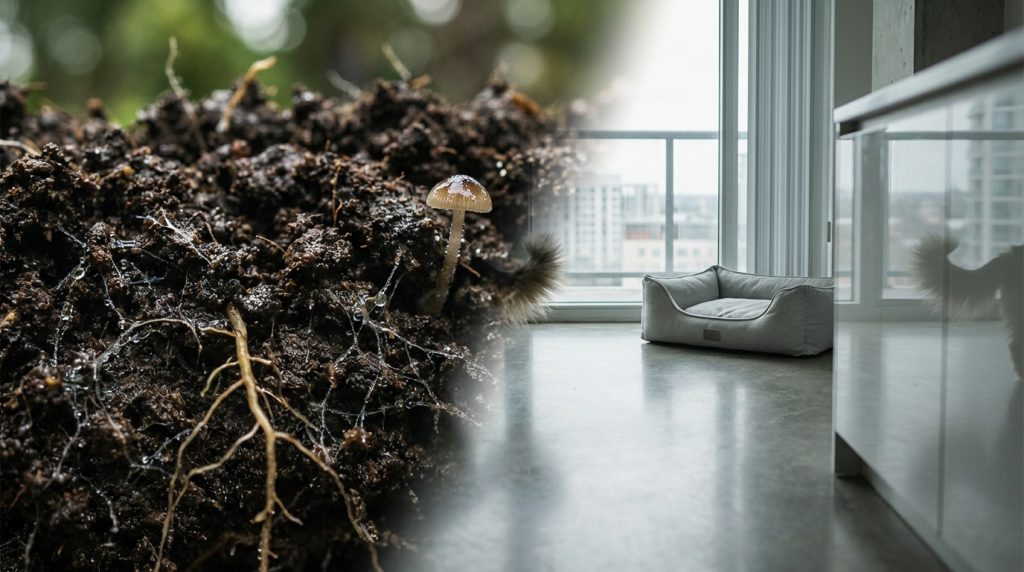
Your pet’s health is deeply connected to their environment. This is especially true for their microbiome. The microbiome is the collection of all microorganisms living in and on an animal. These tiny life forms play a crucial role in digestion, immunity, and even mood. Therefore, where your pet lives significantly impacts this vital internal ecosystem. We will explore the differences between pets with ample soil contact and those living exclusively indoors.
The Outdoor Advantage: Soil Contact and Microbial Diversity
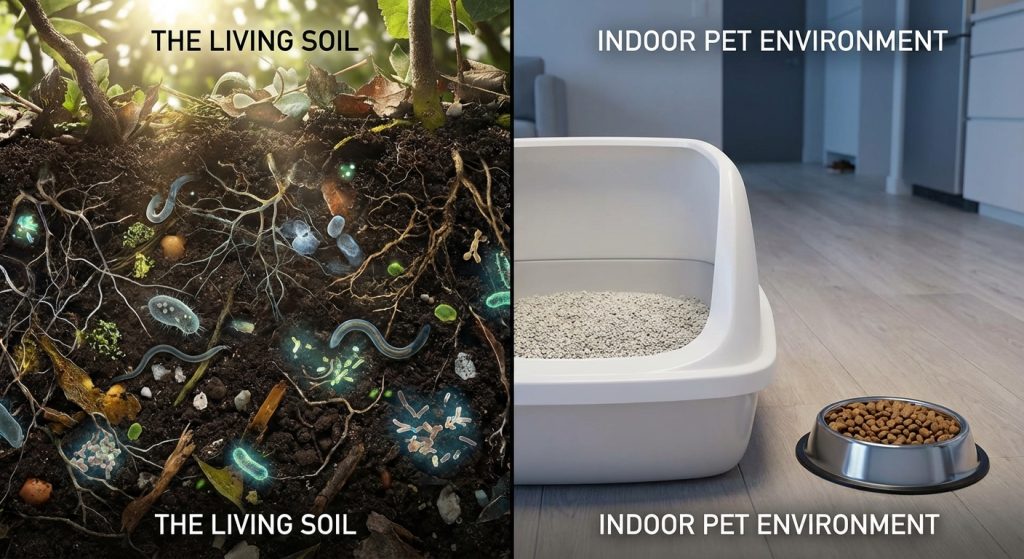
Pets that spend time outdoors, especially with access to soil, benefit greatly. This is because soil is a rich source of diverse microbes. When dogs dig, roll, or simply sniff the ground, they are exposed to a vast array of bacteria, fungi, and other microorganisms. This exposure is not harmful; in fact, it’s beneficial. It helps to diversify their gut microbiome. A diverse microbiome is generally more resilient and better equipped to handle various challenges.
Furthermore, interaction with soil can expose pets to beneficial microbes that are absent in sterile indoor environments. These microbes can help train their immune systems from an early age. This early exposure can lead to a reduced risk of allergies and autoimmune diseases later in life. Think of it as natural immunotherapy. It helps their bodies learn what is safe and what is a threat. Consequently, this leads to a more balanced immune response.
Additionally, exploring natural environments allows pets to encounter a wider range of organic matter. This includes decaying leaves and natural waste products. These materials harbor unique microbial communities. Ingesting or interacting with these can further enrich the pet’s gut flora. It’s a natural process that has been happening for millennia.
Immune System Training
The immune system is like a muscle. It needs to be exercised to become strong. Outdoor exposure provides this exercise. Pets encounter various pathogens and harmless microbes. Their immune systems learn to differentiate between them. This reduces the likelihood of overreactions, such as allergies. For example, a dog exposed to diverse soil microbes might be less prone to developing atopic dermatitis.
Moreover, this constant, low-level exposure helps maintain immune homeostasis. This means the immune system stays balanced. It doesn’t overreact to benign substances. It also responds effectively to actual threats. Therefore, regular outdoor time is crucial for a robust immune system. This is a key difference compared to indoor-only pets.
Gut Health and Digestion
A healthy microbiome is essential for good digestion. Microbes in the gut help break down food. They also synthesize essential vitamins. Pets that consume grass or small amounts of soil are introducing new microbes to their digestive tract. This can improve nutrient absorption. It can also aid in the processing of complex plant materials. For instance, certain bacteria can help break down fiber more effectively.
Consequently, pets with more diverse microbiomes often experience fewer digestive issues. They may have more regular bowel movements. They might also show better nutrient utilization. This directly impacts their overall health and vitality. Indeed, the link between gut health and overall well-being is well-established. This applies to both humans and animals.
The Apartment Life: A Less Diverse Microbial World
Pets living exclusively indoors face a different reality. Their environment is often cleaner and more controlled. While this might seem beneficial, it can lead to a less diverse microbiome. Apartment living means limited exposure to the rich microbial diversity found outdoors. Surfaces are regularly cleaned and disinfected. This reduces the variety of microbes pets encounter.
As a result, the gut microbiome of indoor pets can become less varied. This can make them more susceptible to certain health issues. For example, a lack of microbial diversity has been linked to an increased risk of allergies and inflammatory bowel disease. The absence of natural exposures means fewer opportunities to “train” their immune systems effectively. Furthermore, the reliance on processed pet foods can also contribute to a less diverse gut flora.
Additionally, the lack of varied sensory input from the natural world can impact a pet’s mental well-being. While not directly related to the microbiome, it’s an important aspect of an indoor pet’s life. Stress and anxiety can negatively influence gut health. Therefore, the indoor environment presents unique challenges.
Increased Risk of Allergies and Sensitivities
The “hygiene hypothesis” suggests that reduced exposure to microbes in early life can lead to an increased risk of allergic diseases. This is often observed in pets living in highly sanitized indoor environments. Without sufficient exposure to diverse microbes, their immune systems may not develop properly. They might then overreact to common allergens like pollen, dust mites, or even certain food ingredients.
Consequently, apartment-dwelling pets may be more prone to skin issues and digestive sensitivities. This can manifest as itching, ear infections, or upset stomachs. Managing these conditions often requires dietary changes or medical interventions. However, prevention through early and diverse microbial exposure is ideal. This highlights the importance of controlled outdoor access for indoor pets.
Potential for Gut Dysbiosis
When the balance of microorganisms in the gut is disrupted, it’s called dysbiosis. This can happen when there’s a lack of diversity or an overgrowth of harmful bacteria. For indoor pets, this can be a consequence of a limited microbial environment. Dysbiosis can lead to a range of health problems. These include poor nutrient absorption, weakened immunity, and changes in behavior.
For instance, a gut imbalance can affect the production of neurotransmitters. This can influence mood and behavior. Therefore, maintaining a healthy and diverse gut microbiome is crucial for overall health. It’s not just about digestion. It impacts many bodily functions. This is why even apartment pets can benefit from mindful exposure to nature.
Bridging the Gap: Strategies for Apartment-Dwelling Pets
Fortunately, even pets living in apartments can benefit from strategies to improve their microbiome. It requires a conscious effort from pet owners. Here are some ways to help:
- Controlled Outdoor Access: Whenever possible, provide supervised time outdoors. This could be a walk in a park, a visit to a pet-friendly outdoor cafe, or even just a few minutes in a safe, enclosed yard. Even brief exposures can be beneficial.
- Enrichment with Natural Elements: Bring elements of nature indoors. This could include safe, natural toys, or even small, pet-friendly plants. Ensure these are non-toxic.
- Dietary Supplements: Consider high-quality probiotics and prebiotics. These can help support a healthy gut microbiome. Always consult your veterinarian before starting any new supplements. These can help to introduce beneficial bacteria or feed existing good bacteria.
- “Dirt Baths” (with caution): In a controlled environment, you could offer a small amount of clean, sterilized soil or sand for your pet to briefly play in. This should be done with supervision and ensure the soil is free from contaminants.
- Exposure to Diverse Environments: Visiting different parks or natural areas can expose your pet to a wider range of microbes. This offers varied sensory and microbial input.
These strategies can help mitigate the lack of natural exposure. They aim to provide some of the benefits of outdoor living. It is about creating a more balanced internal environment. This is especially important for pets who cannot have extensive outdoor access. For example, owners can explore different pet nutrition science to ensure their diet supports gut health.
The Gut-Brain Axis: A Shared Connection
It’s important to remember that the gut-brain axis is a two-way communication pathway. This means the health of your pet’s gut microbiome can directly influence their brain and behavior. Conversely, stress and anxiety can negatively impact gut health. This connection is vital for both indoor and outdoor pets.
For instance, pets experiencing anxiety might develop digestive upset. This is due to the gut-brain axis at play. Similarly, a balanced microbiome can contribute to a calmer, more stable mood. Therefore, supporting gut health is also a way to support your pet’s mental well-being. This is a critical consideration for all pet owners. Understanding the gut microbiome’s influence on immunity and mood is key.
Conclusion: Balancing Nature and Nurture
In conclusion, the environment plays a profound role in shaping a domestic animal’s microbiome. Pets with consistent access to natural environments, particularly soil, tend to have more diverse and resilient microbiomes. This diversity is linked to better immune function, improved digestion, and potentially fewer allergies. On the other hand, pets living exclusively indoors may face challenges with microbial diversity, increasing their susceptibility to certain health issues.
However, it is possible to bridge this gap. By implementing thoughtful strategies, even apartment-dwelling pets can benefit from enhanced microbial exposure. Ultimately, a balanced approach that incorporates elements of nature, a healthy diet, and appropriate supplements can help ensure your pet thrives. Prioritizing their microbiome is a significant step towards their overall health and happiness. This holistic view is essential for responsible pet ownership.
Frequently Asked Questions (FAQ)
What is the microbiome and why is it important for pets?
The microbiome refers to all the microorganisms, like bacteria and fungi, living in and on your pet’s body. It’s crucial for digestion, immune system function, and even mood regulation. A healthy, diverse microbiome is essential for overall well-being.
Are pets that live indoors at a disadvantage regarding their microbiome?
Yes, generally. Indoor environments are often cleaner and lack the microbial diversity found outdoors. This can lead to a less varied microbiome, potentially increasing the risk of allergies and digestive issues. Therefore, controlled outdoor exposure is beneficial.
Can I give my pet probiotics to improve their microbiome?
Yes, probiotics and prebiotics can be beneficial for supporting a pet’s gut microbiome. However, it’s always best to consult your veterinarian before starting any new supplements. They can recommend the most appropriate products and dosages for your pet’s specific needs.
What are some ways to expose indoor pets to more natural microbes?
You can provide supervised outdoor time, such as walks in parks or safe yards. Bringing natural elements indoors, like pet-safe plants, and using natural toys can also help. Visiting different environments exposes them to varied microbial communities.
How does the gut-brain axis affect my pet’s behavior?
The gut-brain axis is a communication link between the digestive system and the brain. A healthy microbiome can contribute to a calmer mood and better behavior. Conversely, stress or an imbalanced gut can lead to anxiety and digestive upset in pets.
Is it safe for my dog to eat grass or dirt?
A small amount of grass is generally safe and can introduce beneficial microbes. However, consuming large amounts of grass can cause vomiting. Eating dirt can be risky due to potential contaminants like pesticides, parasites, or toxins. Always supervise your pet outdoors and ensure the environment is safe.
What is dysbiosis in pets?
Dysbiosis occurs when the balance of microorganisms in the gut is disrupted. This can mean there are too few beneficial bacteria, too many harmful ones, or a general lack of diversity. It can lead to various health problems, including digestive issues and a weakened immune system.
