

Discover the powerful science behind fasting mimicking diets. Learn how they can benefit your health and weight loss goals. This guide offers a deep dive into FMDs for nutritionists and those seeking effective weight management.
What is a Fasting Mimicking Diet?
A Fasting Mimicking Diet, or FMD, is a revolutionary approach to nutrition. It offers the benefits of fasting. However, it does not require complete food abstinence. Instead, it provides specific, low-calorie meals. These meals are designed to trick your body. They make it think it’s fasting. This is a key distinction from traditional fasting methods.
For example, a typical FMD lasts for five days. It is usually done monthly or periodically. The diet significantly reduces caloric intake. It also alters macronutrient ratios. This carefully curated approach triggers cellular processes associated with fasting. Therefore, it allows your body to enter a protective and regenerative state.
The Science Behind FMDs: Cellular Mechanisms
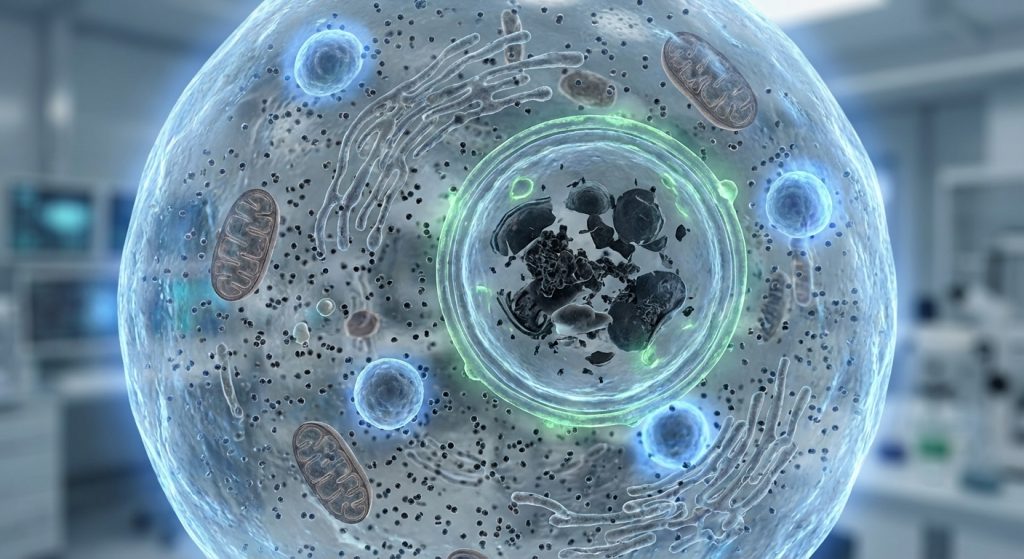
The science behind FMDs is fascinating. It centers on how our cells respond to nutrient deprivation. When you consume an FMD, your body experiences a state of low glucose and insulin levels. This mimics the effects of complete fasting. As a result, your cells initiate several protective mechanisms.
Autophagy: The Body’s Cellular Cleanup
One of the most significant benefits of FMDs is the induction of autophagy. Autophagy means “self-eating.” It is a cellular process. It removes damaged cells and recycles cellular components. Therefore, autophagy is crucial for cellular health and rejuvenation. It helps clear out waste and can prevent disease development.
During fasting periods, including those induced by FMDs, autophagy is significantly upregulated. This cellular cleanup is vital for maintaining cellular function. It also plays a role in longevity. Think of it as your body’s internal housekeeping service.
Ketogenesis: Burning Fat for Fuel
Another key mechanism activated by FMDs is ketogenesis. This is the process where your body starts burning fat for energy. When carbohydrate intake is very low, as is typical in an FMD, your body switches its primary fuel source. It moves from glucose to ketones. Ketones are produced from the breakdown of fat.
This metabolic shift is highly beneficial for weight loss. It targets stubborn fat stores. Furthermore, ketones can provide a clean energy source for the brain. This can lead to improved mental clarity. It is a fundamental aspect of intermittent fasting and FMDs.
Stem Cell Regeneration
Research suggests that FMDs can promote stem cell regeneration. Stem cells are the body’s raw materials. They can develop into many different cell types. Periods of fasting can stimulate the production of new stem cells. This is particularly important for repairing and regenerating tissues.
For instance, stem cell regeneration can aid in rebuilding various cell types. This includes immune cells. Therefore, FMDs may have a profound impact on overall health and longevity. This aspect highlights the regenerative potential of FMDs.
Reduced IGF-1 Levels
Fasting, including the state induced by FMDs, leads to a reduction in Insulin-like Growth Factor 1 (IGF-1). IGF-1 is a hormone that promotes cell growth. While essential for development, high levels of IGF-1 are linked to aging and certain diseases. Therefore, lowering IGF-1 is considered beneficial for longevity and disease prevention.
By reducing IGF-1, FMDs can help slow down cellular aging. This is a significant factor in promoting a longer, healthier lifespan. It is one of the key biomarkers targeted by FMD research.
Benefits of Fasting Mimicking Diets
FMDs offer a wide array of benefits. They extend beyond simple weight loss. These diets have shown promise in various health aspects. Let’s explore some of the most significant advantages.
Weight Loss and Body Composition
Firstly, FMDs are highly effective for weight loss. They reduce overall caloric intake. They also promote fat burning through ketogenesis. Many users report losing significant weight. Moreover, they often experience an improvement in body composition. This means a reduction in body fat and a maintenance or increase in lean muscle mass.
Because the diet is short-term and cyclical, it can be more sustainable than traditional dieting. This makes it appealing for long-term weight management. It is a powerful tool for transforming body shape.
Improved Metabolic Health Markers
FMDs have a positive impact on key metabolic health markers. For instance, they can help lower blood sugar levels. They also improve insulin sensitivity. This is crucial for preventing or managing type 2 diabetes. Furthermore, FMDs can positively influence cholesterol levels.
Specifically, they may help reduce LDL (“bad”) cholesterol and triglycerides. They can also increase HDL (“good”) cholesterol. Therefore, FMDs contribute to a healthier cardiovascular system. This is a critical aspect for overall well-being.
Reduced Inflammation
Chronic inflammation is a root cause of many diseases. FMDs have been shown to reduce markers of inflammation in the body. This is likely due to the cellular repair processes like autophagy. By clearing out damaged cells, the body reduces its inflammatory response.
A reduction in inflammation can lead to numerous health benefits. This includes improved joint health. It can also help alleviate symptoms of inflammatory conditions. This benefit is a cornerstone of many healthy lifestyle approaches.
Enhanced Cognitive Function
Some studies suggest that FMDs can enhance cognitive function. The switch to ketone bodies for fuel can be beneficial for the brain. Ketones are an efficient energy source. They may also have neuroprotective properties. Therefore, users sometimes report improved focus and mental clarity.
This enhanced cognitive function can be a welcome side effect. It supports productivity and overall mental well-being. It is a testament to the brain’s adaptability.
Potential for Longevity
The cellular mechanisms triggered by FMDs, such as autophagy and reduced IGF-1, are linked to longevity. By promoting cellular repair and reducing factors associated with aging, FMDs hold potential for extending healthspan. This means living healthier for longer.
While more long-term research is needed, the current findings are promising. They suggest FMDs could be a valuable tool in the pursuit of a longer, healthier life. This aligns with the growing interest in anti-aging strategies.
How to Implement a Fasting Mimicking Diet
Implementing an FMD requires careful planning. It is best done under the guidance of a healthcare professional or a registered dietitian. However, understanding the general structure is helpful. Typically, an FMD involves a specific five-day eating plan. This plan is repeated periodically.
The 5-Day FMD Structure
The core of an FMD is a five-day period of specific eating. During these five days, you consume a pre-designed, low-calorie, low-protein, low-carbohydrate diet. The meals are carefully formulated. They contain specific nutrient profiles. These profiles are designed to keep your body in a fasting-like state.
The meals often include specialized food products. These can be soups, bars, and snacks. They are designed to be nutrient-dense yet low in calories. On the other hand, the days immediately following the five-day FMD are crucial. They involve a gradual reintroduction of normal eating. This is important for transitioning your body back.
Transitioning In and Out
Transitioning into and out of an FMD is vital for success and safety. Before starting the five-day FMD, you typically ease into it. This might involve reducing your calorie intake for a day or two. After the five-day FMD, you gradually increase your food intake over a couple of days. This helps your digestive system readjust.
For example, you might start with easily digestible foods. Then, you slowly reintroduce a wider variety of nutrients. This careful approach minimizes digestive discomfort. It also maximizes the benefits of the fasting period. It is a critical step for any FMD participant.
Who Can Benefit from FMDs?
FMDs can benefit a wide range of individuals. They are particularly useful for those looking to improve their health markers. They are also a good option for those seeking effective weight loss strategies. However, certain individuals should avoid FMDs.
Ideal Candidates for FMDs
- Individuals looking for targeted weight loss.
- People aiming to improve metabolic health markers like blood sugar and cholesterol.
- Those interested in cellular rejuvenation and longevity.
- Individuals seeking to reduce inflammation in their bodies.
- People who find traditional prolonged fasting difficult to sustain.
If you are looking for ways to optimize your health, an FMD could be a valuable tool. It offers a structured approach. It is based on solid scientific principles. It also provides benefits beyond just shedding pounds.
Who Should Avoid FMDs?
FMDs are not suitable for everyone. Pregnant or breastfeeding women should avoid them. Individuals with certain medical conditions, such as uncontrolled diabetes or severe kidney disease, should also refrain. Furthermore, those with a history of eating disorders should not undertake an FMD. Always consult a healthcare provider before starting any new diet plan.
This is because FMDs are a significant dietary intervention. They can impact your body in profound ways. Therefore, professional guidance is essential. It ensures your safety and maximizes potential benefits.
FMDs vs. Other Fasting Methods
It’s important to understand how FMDs differ from other popular fasting methods. Intermittent fasting (IF) and prolonged water fasting are common. FMDs offer a unique middle ground.
Intermittent Fasting (IF)
Intermittent fasting involves cycling between periods of eating and voluntary fasting. Common IF protocols include 16/8 (16 hours fasting, 8 hours eating) or 5:2 (eating normally five days a week, restricting calories significantly on two non-consecutive days). IF is less restrictive than FMDs. It allows for regular eating windows.
Therefore, FMDs offer a more intense, yet shorter, fasting-like experience. They are designed to trigger specific cellular pathways more robustly. While IF is great for general metabolic health, FMDs are often used for more profound cellular benefits. You can learn more about the science of fasting and autophagy in our article on The Science of Fasting: Autophagy and Cellular Cleaning.
Prolonged Water Fasting
Prolonged water fasting involves consuming only water for an extended period, often days or weeks. This method can yield significant results. However, it can also be very challenging. It carries higher risks of nutrient deficiencies and side effects. Furthermore, it requires strict medical supervision.
In contrast, FMDs provide essential nutrients during the five-day cycle. This makes them a safer and more manageable option for many. They mimic the benefits of prolonged fasting. However, they do so with a lower risk profile. This is a major advantage for accessibility.
Frequently Asked Questions About FMDs
Is the Fasting Mimicking Diet safe?
For most healthy adults, FMDs are considered safe when followed correctly and under professional guidance. However, it’s crucial to consult with a healthcare provider before starting, especially if you have any pre-existing medical conditions.
Can I drink water during an FMD?
Yes, staying hydrated is essential. You can and should drink plenty of water, herbal teas, and black coffee or tea (without sugar or milk) during the FMD period.
What are the typical side effects of an FMD?
Some individuals may experience mild side effects like headaches, fatigue, or irritability during the first day or two. These usually subside as the body adapts. Proper hydration and adherence to the diet plan can help mitigate these effects.
How often can I do an FMD?
Typically, an FMD is recommended once a month for three consecutive months. However, the frequency can vary. It depends on individual health goals and a healthcare provider’s recommendation. It is not meant to be a daily or weekly diet.
Will I lose muscle mass on an FMD?
FMDs are designed to minimize muscle loss. They achieve this through a specific balance of macronutrients, including a controlled amount of protein. The focus is on fat loss while preserving lean muscle mass. This is a key advantage over more restrictive fasting methods.
Conclusion: Embracing the Future of Nutrition
The Fasting Mimicking Diet represents an exciting advancement in nutritional science. It offers a powerful way to harness the benefits of fasting. It does so while providing essential nutrients. The science behind FMDs is compelling. It points to significant benefits for weight management, metabolic health, and cellular regeneration.
By understanding the underlying mechanisms, nutritionists and individuals seeking better health can make informed decisions. FMDs are not a magic bullet. However, they are a scientifically grounded tool. They can be a valuable part of a comprehensive health and wellness strategy. Always prioritize consulting with a qualified healthcare professional before embarking on an FMD. This ensures it aligns with your personal health needs and goals.
