
Veterinary Telemedicine: Remote Diagnostics for Pet Owners
Published on February 6, 2026 by Admin
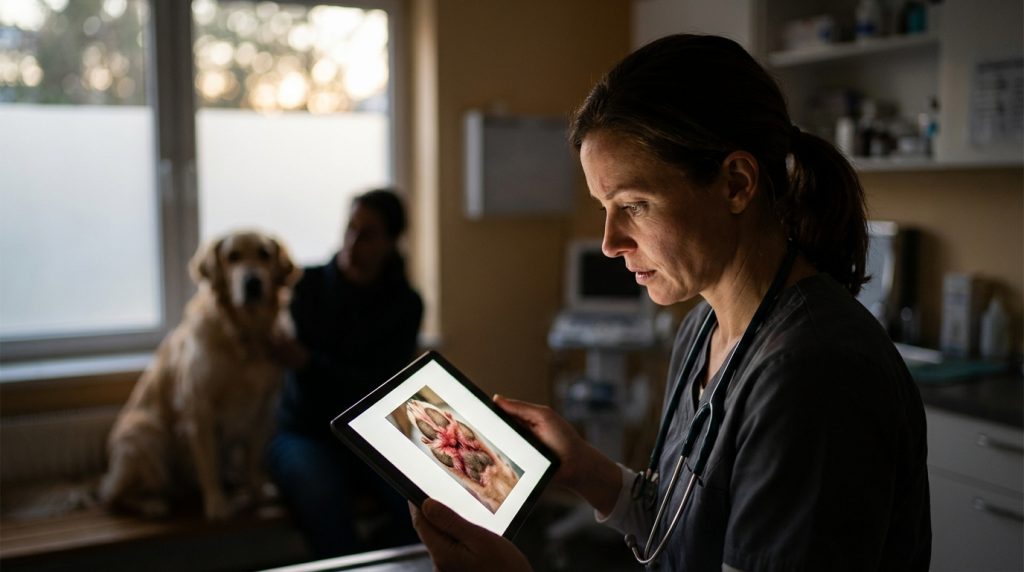
Pet parents want the best for their furry, feathered, or scaled companions. This includes timely and accessible veterinary care. However, traditional vet visits can be challenging. Long waits, travel difficulties, and stress for the pet are common issues. Fortunately, veterinary telemedicine offers a modern solution. This technology allows for remote diagnostics and consultations. It connects pet owners with veterinarians digitally. Therefore, it brings care directly to your home.
This article explores veterinary telemedicine. We will cover its benefits for pet owners. We will also discuss its advantages for clinic owners. Furthermore, we will look at the technology involved. Finally, we will address common questions. Let’s dive into the world of remote pet care.
What is Veterinary Telemedicine?
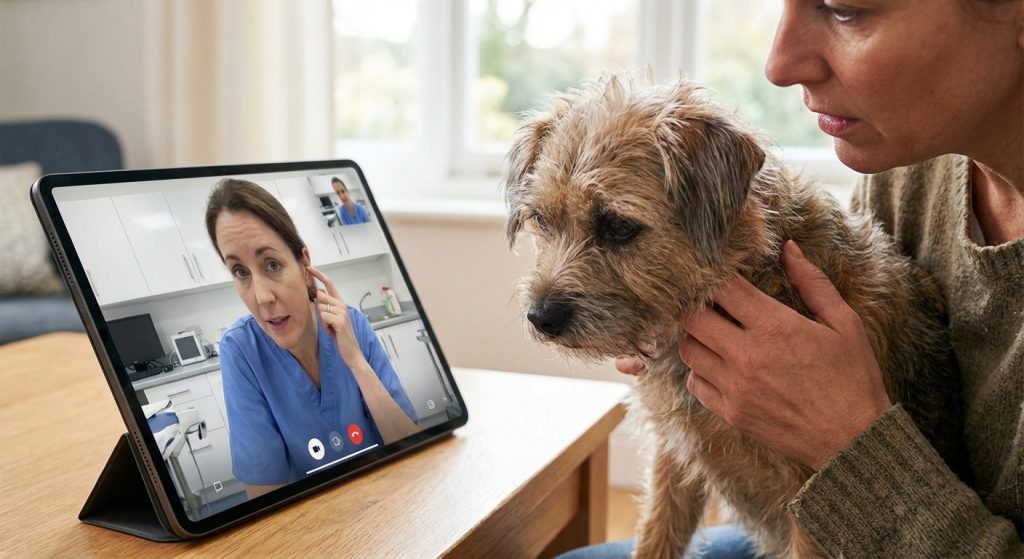
Veterinary telemedicine is the practice of providing veterinary care remotely. This uses telecommunication and information technologies. It includes video calls, phone calls, and secure messaging. Pet owners can consult with veterinarians without leaving their homes. This is especially useful for non-emergency situations. It also helps with follow-up care and routine check-ups. For clinic owners, it expands their reach and efficiency.
The goal is to offer convenient and effective care. It complements, rather than replaces, in-person visits. For instance, a vet might diagnose a minor skin issue. Or they might monitor a pet recovering from surgery. This technology ensures pets get the attention they need. It also offers peace of mind to their owners.
Benefits for Pet Owners
Pet owners gain significant advantages from telemedicine. Firstly, it offers unparalleled convenience. You can schedule appointments around your busy life. There’s no need to travel to the clinic. This saves time and reduces stress for both you and your pet. Many pets experience anxiety at the vet’s office. A virtual visit can be much calmer. This makes for a more positive experience.
In addition, telemedicine can be more affordable. Virtual consultations often cost less than in-person visits. This makes regular check-ins more accessible. It also allows for quicker access to advice. For example, if you notice a change in your pet’s behavior, you can get immediate guidance. This can prevent minor issues from becoming major problems. It also provides a crucial link for those in rural areas. They may have limited access to veterinary services. This technology bridges that gap.
Moreover, telemedicine is excellent for follow-up care. After a surgery or illness, pets often need monitoring. Virtual check-ins allow vets to assess recovery progress. They can adjust treatment plans as needed. This reduces the need for stressful car rides for a recovering animal. Furthermore, it can help manage chronic conditions. Regular virtual check-ins ensure pets stay on track with their treatment. This is vital for their long-term health and well-being.
Benefits for Veterinary Clinic Owners
Veterinary clinics also reap substantial rewards from adopting telemedicine. One key benefit is increased efficiency. By handling routine cases or follow-ups remotely, clinics can free up in-person appointment slots. This allows them to see more critical cases. It also helps manage their schedule more effectively. Therefore, it can lead to higher revenue potential.
Furthermore, telemedicine expands a clinic’s service area. They can reach pet owners who live far away. This is particularly true for specialized veterinary practices. It allows them to attract clients from a wider geographic region. This expands their client base significantly. It also helps build stronger client relationships. Offering convenient, modern services shows clients you value their time and their pet’s comfort. This can lead to increased client loyalty.
Additionally, telemedicine can improve staff satisfaction. By reducing the burden of routine appointments, veterinarians and staff can focus on more complex and rewarding cases. This can lead to a more fulfilling work environment. It also allows for better work-life balance. For example, vets can conduct virtual consultations from home. This offers flexibility. Finally, it positions the clinic as forward-thinking and innovative. This is crucial in today’s competitive market.
How Does Veterinary Telemedicine Work?
The process of veterinary telemedicine is straightforward. It typically begins with a pet owner identifying a need for veterinary advice. This could be a new symptom, a behavioral change, or a post-treatment check-up. The owner then contacts their veterinary clinic. They request a telemedicine appointment. Many clinics use dedicated telemedicine platforms. These platforms often have secure portals for communication.
During the scheduled appointment, the pet owner connects with the veterinarian. This is usually via a video call. They describe the pet’s symptoms. They may also share photos or videos. The veterinarian will ask questions about the pet’s history, diet, and environment. They will observe the pet on video. Based on this information, the vet can often make a preliminary diagnosis. They can also recommend treatment. This might include prescribing medication or advising on home care. In some cases, the vet might determine an in-person visit is necessary.
The technology used can vary. High-definition webcams and microphones are essential. Secure video conferencing software ensures privacy. Some platforms integrate with electronic health records. This allows for seamless record-keeping. For example, a vet might prescribe medication through the platform. The owner can then pick it up at the clinic or have it delivered. This streamlined process makes veterinary care more accessible than ever.
Types of Veterinary Telemedicine Services
Veterinary telemedicine encompasses several types of services. These cater to different needs and situations.
- Teleretrieval: This involves a vet reviewing medical records, images, or videos sent by another vet. It’s common for second opinions or specialist consultations.
- Teleconsultation: This is the most common form. It involves a live video or audio call between a pet owner and a veterinarian. This is ideal for diagnosing new issues, follow-up checks, and behavioral advice.
- Teletriage: This service helps pet owners determine the urgency of a pet’s condition. A veterinary professional assesses the situation remotely. They advise whether immediate in-person care is needed or if the issue can wait.
- Remote patient monitoring: This involves using devices to track a pet’s vital signs or activity remotely. This is useful for managing chronic conditions like diabetes or heart disease.
Each service offers unique benefits. For instance, teleconsultation is great for general advice. Triage helps owners make informed decisions about seeking immediate care. Remote monitoring allows for continuous oversight of pets with ongoing health concerns. This comprehensive approach ensures pets receive the appropriate level of care.
Limitations and When to See a Vet In-Person
While telemedicine is powerful, it has limitations. It cannot replace all aspects of in-person veterinary care. Physical examinations are crucial for many diagnoses. For example, a vet needs to palpate a pet’s abdomen. They might also need to listen to their heart and lungs directly. Certain diagnostic tests, like X-rays or blood work, require specialized equipment. These cannot be performed remotely.
Therefore, telemedicine is best suited for certain situations. These include:
- Non-emergency medical advice.
- Follow-up appointments after surgery or illness.
- Behavioral consultations.
- Prescription refills for stable, chronic conditions.
- Triage to determine the urgency of a condition.
You should always seek immediate in-person veterinary care for emergencies. This includes severe injuries, sudden collapse, difficulty breathing, or suspected poisoning. A veterinarian will always recommend an in-person visit if they believe it is necessary. Trust your vet’s judgment. They will guide you on the best course of action for your pet’s health.
Choosing the Right Telemedicine Platform
When selecting a veterinary telemedicine service, consider a few factors. Firstly, check if your current veterinarian offers telemedicine. Using your regular vet ensures continuity of care. They already know your pet’s history. If not, look for reputable platforms. Ensure the platform is secure and HIPAA compliant. This protects your pet’s health information. Read reviews from other pet owners.
Consider the types of services offered. Does it meet your needs? Is it easy to use? Look for platforms that offer video consultations. These are generally more effective than phone calls. Check the qualifications of the veterinarians available. Are they licensed and experienced? Also, understand the cost structure. Some services charge per consultation. Others offer subscription plans. Finally, ensure the platform integrates well with your vet’s clinic if you plan to use it alongside traditional care. This ensures a smooth experience.
For instance, if you are in a rural area, look for a service that specializes in bridging distances. If your pet has a chronic condition, a platform offering remote monitoring might be ideal. Ultimately, the best platform is one that is reliable, secure, and provides accessible care tailored to your pet’s needs. You can learn more about the future of healthcare systems, including remote care, by exploring designing the ethical healthcare system of 2050.
The Future of Veterinary Care
Veterinary telemedicine is rapidly evolving. As technology advances, so will the capabilities of remote pet care. We can expect more sophisticated diagnostic tools. Wearable sensors for pets might become more common. These could monitor vital signs continuously. AI could play a larger role in analyzing data. This might help predict health issues before they become serious. For example, AI is already being used in human healthcare for predictive diagnostics. This technology will likely trickle down to veterinary medicine.
Furthermore, telemedicine will likely become more integrated into standard veterinary practice. It will no longer be a niche service. Instead, it will be a fundamental part of how veterinary care is delivered. This integration will improve efficiency and accessibility. It will also contribute to better pet health outcomes globally. The rise of high-tech healthcare at affordable prices is a trend we see across the board, as discussed in articles on Vietnam: High-Tech Healthcare at Affordable Prices. Veterinary telemedicine is a part of this larger movement.
Conclusion
Veterinary telemedicine is a transformative tool. It offers immense benefits for both pet owners and veterinary professionals. It provides convenient, accessible, and often more affordable care. This technology ensures pets receive timely attention. It also helps veterinary clinics operate more efficiently. While it won’t replace all in-person visits, it significantly enhances the scope and flexibility of veterinary services. As technology continues to advance, telemedicine will play an even more critical role in the future of pet health. Embracing these innovations means better care for our beloved animal companions.
Frequently Asked Questions
Is veterinary telemedicine as effective as an in-person visit?
For many non-emergency conditions, follow-ups, and consultations, veterinary telemedicine can be highly effective. However, it cannot replace the need for physical examinations and diagnostic tests for certain conditions. Your veterinarian will determine if a remote consultation is appropriate for your pet’s needs.
Can a veterinarian prescribe medication through telemedicine?
Yes, in many cases, veterinarians can prescribe medication through telemedicine. This is often for stable, chronic conditions or for refills. However, regulations vary by location, and some jurisdictions may require a prior in-person examination before prescribing certain medications.
What happens if my pet needs emergency care during a telemedicine appointment?
If your pet experiences an emergency, you should seek immediate in-person veterinary care. During a telemedicine appointment, if the veterinarian determines your pet needs urgent attention, they will advise you to go to the nearest emergency veterinary clinic or their own clinic if feasible.
Is my pet’s health information secure with telemedicine platforms?
Reputable veterinary telemedicine platforms use secure, encrypted channels to protect your pet’s health information. It is important to ensure the platform you use complies with privacy regulations, similar to how healthcare data is protected in human medicine.
How much does veterinary telemedicine typically cost?
The cost of veterinary telemedicine can vary. Virtual consultations are often less expensive than in-person visits. Some clinics charge a flat fee per consultation, while others may offer subscription services. It’s best to check with your specific veterinary provider for their pricing.
