

Chronic pain affects millions globally. It impacts daily life significantly. Finding effective relief is a constant challenge. Traditional treatments don’t always work. They can also have side effects. Fortunately, new technologies offer hope. Virtual Reality (VR) is one such innovation. It’s changing how we manage pain. VR uses immersive digital worlds. These worlds can distract the brain. This can lead to significant pain reduction. Therefore, VR is becoming a key tool for pain management clinics and patients.
How Does VR for Pain Management Work?
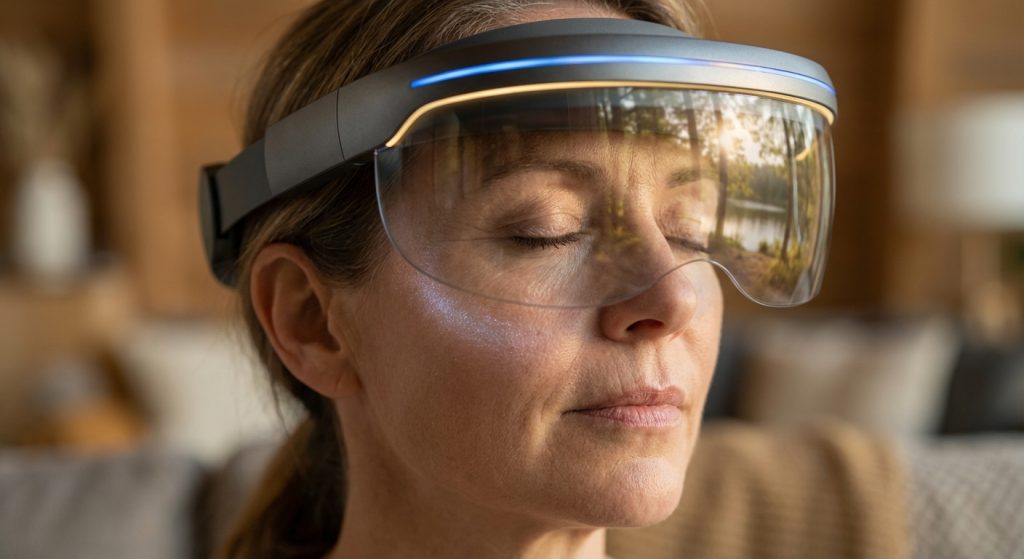
The core principle behind VR for pain is distraction. Pain signals travel to the brain. The brain then interprets these signals. VR creates a highly engaging sensory experience. This experience captures the brain’s attention. Consequently, the brain focuses less on pain signals. It prioritizes the virtual environment instead. This is similar to how a strong distraction can make you forget a minor ache. However, VR offers a much deeper level of immersion.
Specifically, VR engages multiple senses. It uses visual and auditory stimuli. Sometimes, it even includes haptic feedback. This rich sensory input overwhelms the brain’s pain processing centers. As a result, the perception of pain diminishes. This mechanism is known as the gate control theory of pain. It suggests that non-painful input can close the “gates” to painful input. VR effectively creates a powerful, non-painful input.
The Science Behind the Immersion
Neuroscience offers insights into VR’s effectiveness. When immersed in VR, the brain’s neural pathways are activated. These pathways are different from those processing pain. For example, areas like the prefrontal cortex and visual cortex are highly engaged. This engagement can lead to the release of endorphins. Endorphins are natural pain relievers. They are the body’s own opiates.
Furthermore, VR can influence emotional states. Pain often leads to anxiety and depression. These emotions can amplify pain perception. VR environments can be designed to be calming and therapeutic. For instance, a virtual nature walk can reduce stress. This emotional regulation is crucial for pain management. It complements the direct pain distraction.
Research shows significant results. Studies indicate that VR can reduce pain intensity. It can also decrease the need for pain medication. This is a major benefit for patients. It reduces the risk of addiction and side effects. Therefore, VR offers a safer, more holistic approach.
Applications of VR in Pain Management
VR is versatile. It can be used for various types of chronic pain. These include:
- Back pain
- Arthritis pain
- Fibromyalgia
- Neuropathic pain
- Cancer-related pain
- Post-surgical pain
Clinics are using VR in different ways. It can be a standalone therapy. It can also be part of a comprehensive treatment plan. For example, patients might use VR before or after physical therapy. This can make exercises more tolerable. It can also improve outcomes.
VR for Acute Pain and Procedural Anxiety
While the focus is chronic pain, VR also helps with acute pain. For instance, it’s used during medical procedures. Think of burn wound care or injections. VR can significantly reduce anxiety and pain during these events. This makes difficult procedures more manageable for patients. It also makes them easier for healthcare providers.
VR for Rehabilitation
Physical rehabilitation is often painful. VR can make it more engaging. Patients can perform exercises in a virtual world. This gamified approach increases motivation. It also encourages movement. For example, a patient recovering from an injury might navigate a virtual obstacle course. This is more fun than repetitive exercises. Hence, it promotes better adherence to treatment plans.
Choosing the Right VR Experience
Not all VR experiences are the same. For pain management, specific features are important. These include:
- Immersive Environments: Scenes should be visually rich and engaging. Nature scenes, calming animations, or interactive games are common.
- Auditory Components: Soothing music or guided meditations enhance relaxation.
- Duration and Frequency: Sessions are typically short, around 15-30 minutes. The frequency depends on the individual’s needs.
- Customization: The ability to tailor the experience is beneficial. Patients can choose environments that resonate with them.
Healthcare providers play a key role. They help select appropriate VR content. They also guide patients through the experience. This ensures the VR therapy is effective and safe. Additionally, understanding the science behind VR can help patients embrace it. For instance, learning about the brain’s response can build confidence.
Benefits for Patients and Clinics
The advantages of VR for pain management are numerous.
- Non-Pharmacological Approach: It offers an alternative to or complement to medication. This reduces reliance on opioids and other drugs.
- Reduced Side Effects: Unlike many medications, VR has minimal side effects.
- Improved Patient Engagement: VR makes therapy more enjoyable. This leads to better adherence and outcomes.
- Cost-Effectiveness: Over time, VR can reduce healthcare costs. This is due to fewer medications and potentially shorter recovery times.
- Accessibility: As technology advances, VR becomes more accessible. Home-based VR therapy is increasingly possible.
For pain management clinics, VR represents an innovative service. It can attract new patients. It also enhances the clinic’s reputation as forward-thinking. Furthermore, it provides a valuable tool for therapists. It expands their treatment toolkit. This integrated approach can lead to better patient satisfaction.
Challenges and Future Directions
Despite its promise, VR therapy faces challenges. The initial cost of equipment can be a barrier. Some patients may experience motion sickness. Also, more extensive research is still needed. Large-scale clinical trials are ongoing. These will further validate VR’s efficacy across diverse pain conditions.
However, the future looks bright. Technology is constantly improving. VR headsets are becoming lighter, more affordable, and higher resolution. AI is also playing a role. It can personalize VR experiences. It can adapt environments based on patient responses. For example, AI could adjust the VR environment in real-time to optimize pain relief. This adaptive approach is a significant advancement.
Moreover, the integration of VR with other therapies is promising. Combining VR with mindfulness, biofeedback, or even physical therapy can amplify benefits. This multimodal approach addresses pain from various angles. Therefore, it offers a more robust solution for chronic pain sufferers.
Getting Started with VR for Pain
If you are a patient experiencing chronic pain, talk to your doctor. Discuss whether VR therapy might be suitable for you. Your doctor or pain specialist can recommend clinics. They can also advise on specific VR programs. For clinics, exploring VR solutions is a step towards modernizing pain care. Investing in VR technology can lead to better patient outcomes.
It is important to approach VR therapy with realistic expectations. It is a tool. It works best as part of a broader treatment plan. However, for many, it offers a significant improvement. It provides a much-needed respite from the constant burden of pain. Ultimately, VR therapy is about reclaiming life. It’s about finding new ways to manage pain and improve well-being.
Frequently Asked Questions (FAQ)
Is VR therapy safe for everyone?
VR therapy is generally safe. However, some individuals might experience motion sickness. People with certain pre-existing conditions should consult their doctor first. This includes individuals with epilepsy or severe visual impairments.
How long does it take to see results with VR for pain?
Results can vary. Some patients report immediate relief. Others notice improvements after several sessions. Consistency is key. Regular use often leads to more significant and lasting benefits.
Can VR replace traditional pain medications?
VR is often used as a complementary therapy. It can reduce the need for medication. However, it may not completely replace it for everyone. This depends on the severity and type of pain. Always follow your doctor’s advice.
What kind of VR equipment is needed?
Typically, a VR headset and a compatible controller are needed. Many clinics provide this equipment. For home use, standalone VR headsets are becoming more common and user-friendly. Some advanced systems might require a powerful computer.
Are there specific VR games or experiences for pain relief?
Yes, there are many. These range from calming nature scenes and meditative experiences to interactive games designed for distraction and engagement. The choice depends on the patient’s needs and preferences.
Conclusion
Virtual Reality is no longer just for gaming. It is a powerful therapeutic tool. For chronic pain sufferers, it offers a new dimension of relief. By distracting the brain and engaging the senses, VR provides a non-addictive, side-effect-free option. As technology advances, its role in pain management will only grow. This innovative approach is helping patients find a better quality of life. It is a testament to how technology can be harnessed for healing. Therefore, exploring VR for pain management is a worthwhile endeavor for both patients and healthcare providers.
