Wildlife Protection: Your Best Defense Against Future Pandemics
Published on February 6, 2026 by Admin

The world has learned a harsh lesson. Pandemics can emerge unexpectedly. They disrupt lives and economies. Scientists believe many new diseases originate in animals. These are called zoonotic diseases. When they jump from animals to humans, it’s zoonotic spillover. Protecting wildlife is therefore crucial. It is a key strategy to prevent the next global health crisis. Conservationists and doctors have a shared interest. They must work together. This collaboration is vital for our collective well-being.
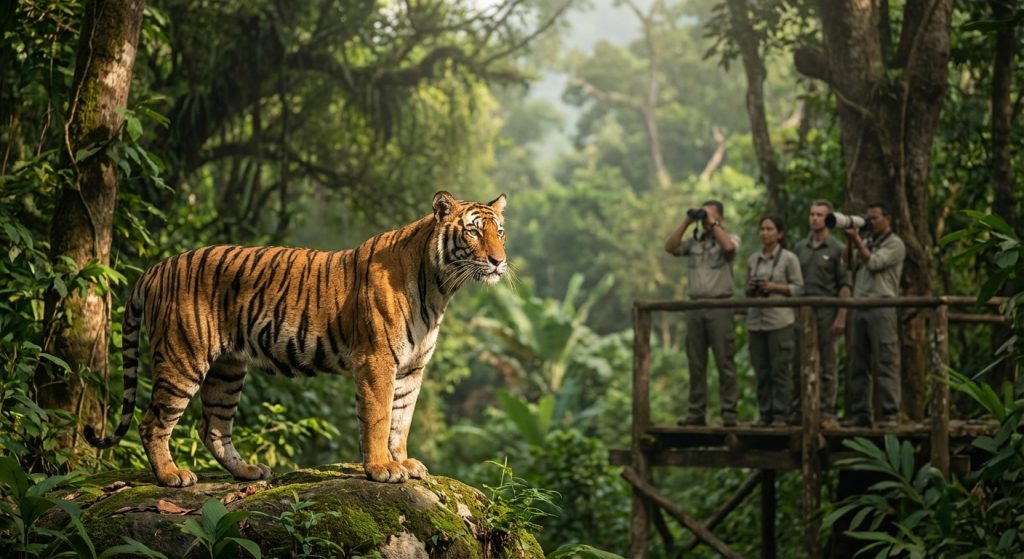
Understanding Zoonotic Spillover
Zoonotic spillover happens when a pathogen moves from an animal host to a human. This can occur through direct contact with infected animals. It can also happen through contaminated food or water. Environmental changes often drive this process. Deforestation and habitat loss are major factors. These activities bring humans and wildlife into closer contact. This increases the chances of disease transmission. For example, increased human encroachment into wild areas can lead to more frequent interactions. Consequently, this raises the risk of novel viruses finding new hosts.
The Role of Biodiversity Loss
Biodiversity loss is a significant driver. When ecosystems are degraded, they become less resilient. This can create conditions favorable for disease spread. A diverse ecosystem usually has many species. These species can act as natural buffers. They can dilute the prevalence of pathogens. However, when diversity declines, a few species may dominate. Some of these may be better at carrying and transmitting diseases. Therefore, protecting biodiversity is not just about saving species. It is also about safeguarding human health. Preserving natural habitats is paramount.
Why Wildlife Conservation is Public Health
Conservation efforts directly impact public health. Protecting habitats means reducing human-wildlife conflict. This reduces opportunities for zoonotic spillover. It also helps maintain healthy ecosystems. Healthy ecosystems are better at regulating disease. For instance, maintaining forest cover can prevent the spread of certain vector-borne diseases. Doctors understand the impact of environmental health. They know that a healthy planet means healthier people. This is the core of the One Health approach. This concept recognizes that human health is linked to animal and environmental health.
The Economic Case for Conservation
Investing in conservation makes economic sense. The cost of preventing a pandemic is far less than the cost of responding to one. The economic impact of COVID-19 was staggering. It caused trillions of dollars in losses. Preventing future pandemics through conservation is a sound investment. Furthermore, healthy ecosystems provide essential services. These include clean air and water. They also support agriculture and tourism. Therefore, protecting wildlife benefits economies. It provides long-term stability.
Conservation Strategies for Pandemic Prevention
Several strategies are key. Firstly, habitat protection is essential. This includes preserving forests, wetlands, and other vital ecosystems. Secondly, regulating wildlife trade is crucial. Many zoonotic diseases spread through illegal or poorly regulated markets. Thirdly, surveillance and monitoring are vital. This involves tracking diseases in wildlife populations. It also means monitoring human populations for early signs of outbreaks. Finally, public awareness and education are important. People need to understand the link between wildlife and their own health.
Habitat Preservation: A First Line of Defense
Protecting natural habitats is the most effective preventive measure. When wildlife habitats are intact, species are less stressed. They are also less likely to seek resources in human-dominated areas. This reduces the chances of pathogens jumping the species barrier. For example, preventing deforestation in tropical regions limits contact between humans and potential reservoirs of novel viruses. This is a critical aspect of conservation work. It directly contributes to global health security. You can learn more about the importance of protecting natural spaces by exploring urban rewilding and zoonotic disease monitoring.
Regulating Wildlife Trade
The wildlife trade, both legal and illegal, poses a significant risk. Live animal markets, in particular, can be hotspots for disease transmission. Pathogens can spread rapidly among animals in close proximity. They can then spill over to humans who handle or consume them. Stricter regulations and enforcement are necessary. Banning trade in high-risk species is also important. This helps reduce the opportunities for zoonotic spillover. Many organizations are working to combat the illegal wildlife trade. Technology plays a role here, as seen in efforts like Tech Tackles Poachers.
Enhanced Surveillance and Early Detection
Early detection is critical for controlling outbreaks. This requires robust surveillance systems. These systems should monitor wildlife health. They should also monitor human health for novel pathogens. This includes genomic sequencing of viruses found in animal populations. It also involves syndromic surveillance in human communities. Technology can greatly enhance these efforts. For instance, AI can help analyze vast amounts of data. This can identify potential threats faster. The field of digital epidemiology is crucial for this. It offers new ways to track and predict disease spread.
The Veterinarian’s Role in Prevention
Veterinarians are on the front lines of zoonotic disease prevention. They are often the first to notice unusual patterns in animal health. They play a critical role in diagnosing and reporting potential zoonotic threats. Their expertise is invaluable in surveillance programs. They can also educate animal owners about safe practices. This includes proper handling of animals and waste. Furthermore, veterinarians are essential in monitoring livestock health. This prevents diseases from spreading from farms to humans. You can explore the advancements in zoonotic diseases and the human-animal health balance.
Livestock Health and Biosecurity
The health of domestic animals is also important. Zoonotic diseases can spread between wild animals, livestock, and humans. Maintaining high biosecurity standards on farms is essential. This prevents the introduction and spread of pathogens. It also helps reduce the need for antibiotics in livestock. Overuse of antibiotics contributes to antimicrobial resistance. This is another major global health threat. Preventive care is the cornerstone of livestock health. This proactive approach minimizes risks. Learn more about livestock antibiotic reduction.
Wildlife Rehabilitation and Research
Wildlife rehabilitators and researchers contribute significantly. They study animal health and behavior. This research provides crucial data. It helps us understand disease reservoirs. It also informs conservation strategies. Rehabilitating injured wildlife can prevent them from entering human environments. This further reduces the risk of spillover. Advanced veterinary techniques are vital here. For example, minimally invasive surgery can help animals recover and return to the wild.
Doctors and Conservationists: A United Front
The link between environmental health and human health is undeniable. Doctors and conservationists share a common goal: a healthier future. Doctors can advocate for policies that protect the environment. They can educate patients about the risks of zoonotic diseases. Conservationists can provide the scientific expertise. They can guide efforts to protect biodiversity and habitats. Collaboration between these fields is essential. It ensures a holistic approach to health. This integrated strategy is our best defense.
Policy and Advocacy
Strong policies are needed to support conservation. This includes funding for protected areas. It also means regulating industries that impact wildlife. Doctors can lend their voices to advocacy efforts. They can highlight the public health benefits of conservation. This can influence policymakers. It can drive meaningful change. For instance, policies promoting sustainable land use are critical. They help balance human needs with ecological preservation. Building a resilient future requires comprehensive planning.
Education and Awareness
Educating the public is crucial. People need to understand why protecting wildlife matters. They need to know about the risks of zoonotic diseases. This awareness can lead to behavioral changes. It can also foster support for conservation initiatives. Doctors can discuss these issues with their patients. Conservation organizations can develop educational materials. Together, they can build a more informed and engaged public. This shared understanding is a powerful tool for prevention.
The Future: A Proactive Approach
The past few years have shown us the devastating consequences of ignoring zoonotic risks. Moving forward, a proactive approach is necessary. This means prioritizing wildlife conservation. It means strengthening global health surveillance. It also means fostering collaboration between diverse fields. Investing in conservation is investing in our own health. It is an investment in a more secure and sustainable future for all. The “One Health” concept provides a roadmap for this future. It emphasizes the interconnectedness of all living systems.
Frequently Asked Questions
What exactly is zoonotic spillover?
Zoonotic spillover is the transmission of a disease-causing agent (pathogen) from an animal to a human. This can happen through direct contact, contaminated food or water, or other indirect means.
How does habitat destruction lead to more zoonotic diseases?
Habitat destruction forces wildlife into closer contact with humans and domestic animals. This increases the chances of pathogens transferring between species. It also can disrupt natural ecological balances that might otherwise limit disease spread.
What can doctors do to help prevent zoonotic spillover?
Doctors can advocate for conservation policies, educate patients about risks, support surveillance programs, and recognize and report potential zoonotic cases promptly.
Are all wildlife diseases transmissible to humans?
No, not all wildlife diseases can be transmitted to humans. However, many viruses and bacteria that affect animals have the potential to adapt and infect humans, leading to zoonotic diseases.
How can individuals contribute to preventing zoonotic spillover?
Individuals can support conservation efforts, make informed choices about wildlife products, practice good hygiene, and be aware of the risks associated with wildlife encounters.
Conclusion
The message is clear: protecting wildlife is not just an environmental issue. It is a critical public health imperative. By investing in conservation, we invest in our own future. We build a stronger defense against the next pandemic. Doctors and conservationists must stand together. Their combined efforts can create a healthier planet for everyone. This synergy is vital for global well-being.