
Beekeeping in the City: Supporting Urban Biodiversity
Published on February 7, 2026 by Admin
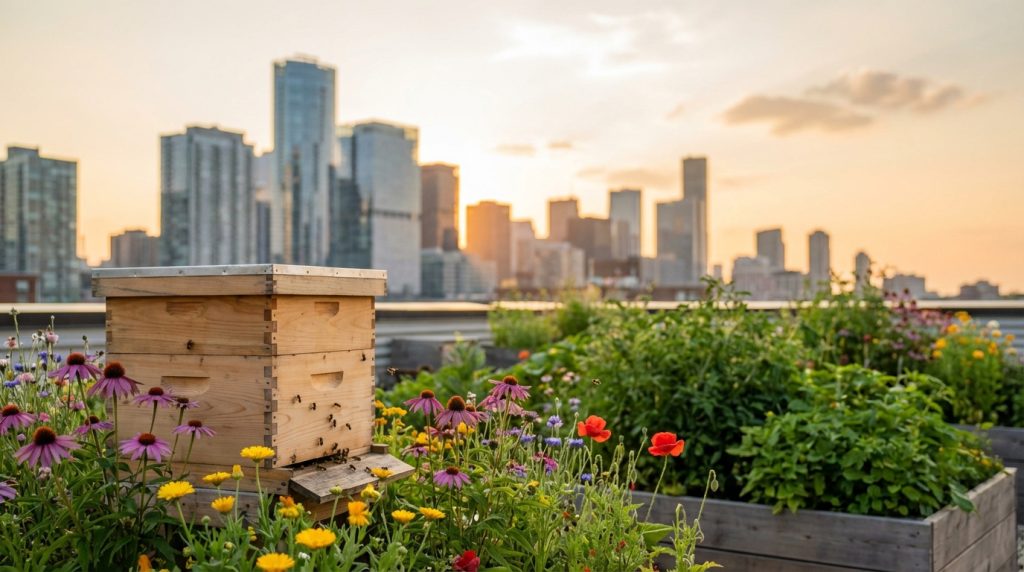
Urban environments are buzzing with life. Beyond the concrete and steel, a vibrant ecosystem thrives. This includes vital pollinators like bees. Many cities are now embracing beekeeping. This practice offers numerous benefits. It supports urban biodiversity. It also connects people with nature. Smart hives are revolutionizing urban beekeeping. They make managing these colonies easier. They also provide valuable data.
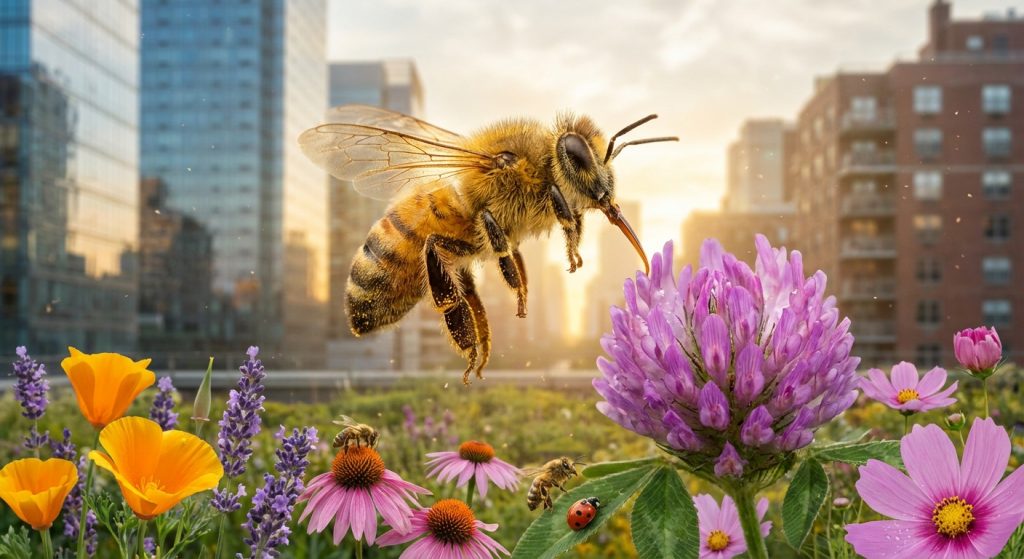
The Buzz About Urban Bees
Bees are essential for our planet’s health. They pollinate a vast majority of food crops. However, bee populations are facing serious declines globally. Habitat loss is a major factor. Pesticide use also plays a role. Urban areas can surprisingly offer refuge. They often have fewer agricultural pesticides. They can also have diverse floral resources. This makes cities potential havens for bees.
Urban beekeeping is more than just a hobby. It’s a crucial step towards conservation. It actively supports local ecosystems. It helps maintain the delicate balance of nature. By placing hives in cities, we create vital corridors for these pollinators. This allows them to thrive and reproduce. Consequently, this boosts the health of urban green spaces.
Why Smart Hives Make a Difference
Traditional beekeeping requires constant monitoring. It can be labor-intensive. Smart hives change this paradigm. They use technology to simplify beekeeping. Sensors inside the hive collect data. This data includes temperature, humidity, and bee activity. It can even track honey production. This information is transmitted wirelessly. Beekeepers can monitor their hives remotely. This is especially beneficial for urban settings.
Smart hives offer several advantages. Firstly, they allow for proactive intervention. Beekeepers can spot problems early. This might include disease or swarming. Secondly, they provide valuable insights. This data helps understand bee behavior. It also aids in optimizing hive health. For urban farmers, this technology is invaluable. It reduces the guesswork. It increases the success rate.
Benefits of Urban Beekeeping
Introducing bees to cities offers many rewards. It goes beyond just honey production. It’s about fostering a healthier environment. Let’s explore these benefits further.
Boosting Urban Biodiversity
Bees are keystone species. Their presence indicates a healthy ecosystem. Urban bees pollinate a wide range of plants. This includes trees, flowers, and community gardens. As a result, it leads to more abundant blooms. It also increases fruit and vegetable yields. This, in turn, supports other urban wildlife. Birds and insects benefit from increased plant life. Therefore, urban biodiversity flourishes.
Furthermore, diverse plant life creates a more resilient urban environment. It helps mitigate the urban heat island effect. It also improves air quality. Essentially, bees act as tiny environmental engineers.
Educational and Community Engagement
Urban beekeeping projects can be educational tools. They teach people about nature. They highlight the importance of pollinators. Many communities have adopted beekeeping initiatives. These projects often involve local schools and residents. They foster a sense of shared responsibility. People learn about sustainability. They also connect with their neighbors. This builds stronger communities.
Moreover, these initiatives can spark interest in urban farming. They inspire more people to get involved. This can lead to more green spaces. It can also increase local food production.
Sustainable Food Production
Urban farms and gardens rely on pollination. Bees are the most efficient pollinators. By supporting bee populations, urban agriculture thrives. This leads to fresher produce. It also reduces food miles. This is a significant environmental benefit. It means less transportation emissions. It also supports local economies.
Smart hive technology can further enhance this. It helps ensure consistent pollination. This leads to more predictable yields for urban farmers. It truly creates a more sustainable food system.
Implementing Smart Beekeeping in Cities
Setting up a beekeeping operation in a city requires careful planning. Technology can greatly simplify the process. Here are key considerations:
Choosing the Right Location
Location is paramount for urban hives. It needs to be safe and accessible. It should also offer ample food sources. Rooftops, balconies, and community gardens are popular choices. Ensure the location is away from heavy foot traffic. Also, consider local regulations. Some cities have specific rules for beekeeping. Proper placement ensures the bees’ safety and your peace of mind.
Furthermore, proximity to diverse flowering plants is crucial. This might include parks, gardens, and even flowering trees along streets. A varied diet ensures a healthy colony. It also leads to better honey quality.
Selecting Smart Hive Technology
Smart hives come in various forms. Some offer basic monitoring. Others provide advanced analytics. When choosing, consider your needs. What data is most important to you? What is your budget? Look for user-friendly interfaces. Ensure the technology is reliable. Many systems integrate with smartphones or computers. This allows for easy data access.
For instance, some systems can alert you to unusual temperature drops. This might indicate a problem with the colony’s insulation. Others can track honey levels. This helps you know the optimal time for harvesting. This technology makes beekeeping more accessible. It is particularly helpful for beginners.
Understanding Bee Behavior and Needs
Even with smart technology, understanding bees is vital. Learn about their life cycle. Understand their foraging habits. Know the signs of a healthy hive. Also, recognize signs of distress. Smart hives provide data, but human interpretation is key. For example, a sudden drop in activity might signal a problem. This could be disease or a queen bee issue.
Educating yourself is an ongoing process. Many resources are available. Local beekeeping associations are excellent sources of knowledge. Learning about bee intelligence is also fascinating. It highlights the complexity of these creatures. You can explore bee intelligence to understand their problem-solving skills.
Challenges and Solutions
Urban beekeeping, while rewarding, has its challenges. However, smart solutions exist.
Pest and Disease Management
Urban bees can still face pests and diseases. Varroa mites are a common threat. Smart hives can help monitor hive health. This allows for early detection. Some technologies can even monitor for specific pathogens. Integrated pest management strategies are crucial. This involves combining various methods to control pests. It minimizes reliance on chemicals. It is important to protect these vital pollinators.
Furthermore, understanding the global threat of antibiotic resistance can inform our approach to disease control in general, emphasizing the need for vigilance and innovation in pest and disease management across all species.
Public Perception and Education
Some people fear bees. This can lead to resistance against urban beekeeping. Education is key to overcoming this. Demonstrating the benefits of bees is important. Showing how docile they can be when managed properly helps. Community workshops and hive tours can be very effective. This fosters understanding and acceptance. It helps build a positive public image.
When people understand the role of bees, they become allies. They are more likely to support urban green initiatives. They might even plant pollinator-friendly flowers. This creates a more supportive environment for bees.
Environmental Factors
Urban environments present unique challenges. Air pollution can affect bee health. Extreme weather events are also a concern. Smart hives can help monitor environmental conditions. They can alert beekeepers to temperature fluctuations. This allows for intervention. For example, providing shade during heatwaves. Or ensuring hives are well-insulated in winter.
Moreover, understanding how urban pollution affects health can highlight the interconnectedness of environmental factors and well-being for all living creatures, including bees.
The Future of Urban Beekeeping
The trend towards urban beekeeping is growing. Smart technology is making it more accessible. This is a positive development for biodiversity. It is also beneficial for our cities.
Imagine cities filled with thriving green spaces. Imagine abundant local produce. Imagine a greater connection between people and nature. Urban beekeeping, powered by smart hives, can help make this a reality. It’s a sweet future indeed.
Frequently Asked Questions
Is beekeeping safe in a city?
Yes, urban beekeeping can be very safe. It requires proper hive placement. It also needs responsible management. Bees are generally docile when not threatened. Education and community awareness are key.
What are the legal requirements for urban beekeeping?
Regulations vary by city and region. Many urban areas have specific ordinances. These may cover hive numbers, locations, and registration. Always check your local laws first.
How much space do I need for a smart hive?
A typical beehive needs a relatively small footprint. A balcony or rooftop can be sufficient. Ensure there is enough flight path space for the bees. Also, consider nearby flowering plants.
What kind of data do smart hives collect?
Smart hives can collect various data points. These often include internal hive temperature and humidity. They can also track bee activity levels, weight (indicating honey stores), and sound. Some advanced systems may even monitor queen bee activity.
Can urban bees produce high-quality honey?
Absolutely. Urban environments often offer a diverse range of nectar sources. This can lead to unique and complex honey flavors. The absence of large-scale agricultural pesticides can also contribute to cleaner honey.
