
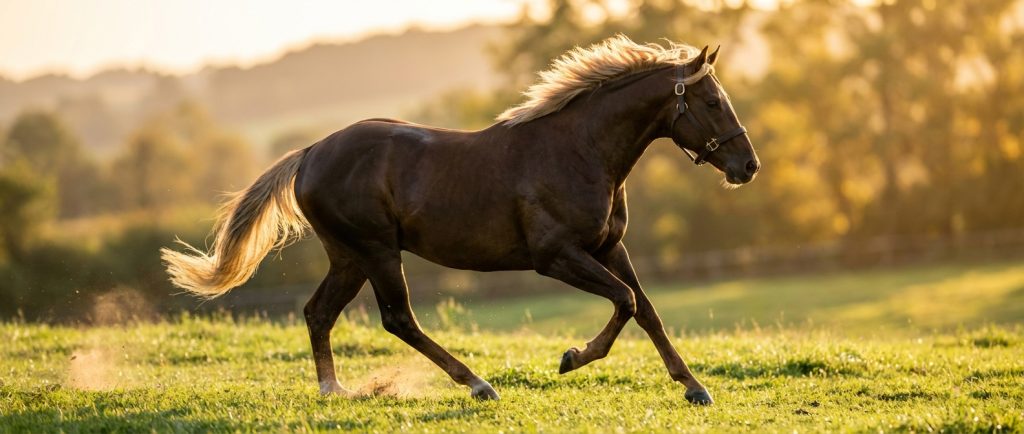
Performance horses are athletes. They demand top-tier care. This includes advanced veterinary medicine. Vietnam’s equestrian scene is growing. So is the need for specialized equine care. This article explores equine medicine. We focus on care and surgery for performance horses in Vietnam. This ensures their health and longevity.
The Demands of Performance Horses
Performance horses work hard. They compete in various disciplines. Racing, show jumping, and dressage are popular. These activities place immense stress on their bodies. Therefore, their musculoskeletal systems are vital. They are also prone to specific injuries. Early detection and treatment are crucial. This is especially true for athletic animals.
Their training regimens are intense. This can lead to overuse injuries. Soft tissue damage is common. Joint issues can also arise. Therefore, regular veterinary check-ups are essential. These help prevent problems. They also catch issues early. This improves treatment outcomes.
Preventive Care: The First Line of Defense
Preventive care is key. It keeps performance horses sound. It also optimizes their athletic potential. This involves a multi-faceted approach. A good nutrition plan is vital. It provides necessary energy and nutrients. It also supports strong bones and muscles.
Regular deworming is also important. Internal parasites can weaken a horse. They can affect performance. Vaccinations protect against diseases. This ensures the horse stays healthy. Furthermore, proper hoof care is critical. Healthy hooves are foundational for soundness.
A well-structured exercise program is also key. It should be tailored to the horse. It needs to build fitness gradually. It must also avoid overtraining. Therefore, experienced trainers are invaluable. They understand equine physiology.
Regular veterinary assessments are non-negotiable. These include lameness exams. They also check for subtle changes. Early intervention prevents minor issues from becoming major ones. For example, a slight gait abnormality might be an early sign of joint inflammation. Addressing it promptly can prevent long-term damage.
Common Performance-Related Injuries in Horses
Performance horses face unique health challenges. Understanding these helps in prevention and treatment. Common issues include:
- Tendon and Ligament Injuries: These are frequent. They often occur in the lower limbs. Examples include bowed tendons and suspensory ligament desmitis.
- Joint Problems: Arthritis and synovitis affect joints. These can cause pain and lameness. Osteochondritis dissecans (OCD) is also seen.
- Bone Injuries: Stress fractures can happen. Shin splints are another concern. Navicular syndrome affects the hoof.
- Back and Neck Issues: Poor conformation or training can cause pain here.
- Respiratory Problems: Exercise-induced pulmonary hemorrhage (EIPH) is common in racehorses.
- Gastrointestinal Issues: Colic can be exacerbated by stress and diet changes.
These injuries can significantly impact a horse’s career. Therefore, prompt diagnosis is essential. Advanced diagnostic tools are often required. This is where modern equine veterinary medicine shines.
Advanced Diagnostics in Equine Medicine
Accurate diagnosis is the first step to effective treatment. Equine veterinarians use sophisticated tools. These help identify problems precisely. Some common diagnostic methods include:
- Digital Radiography (X-rays): These provide detailed images of bones. They help detect fractures and arthritis.
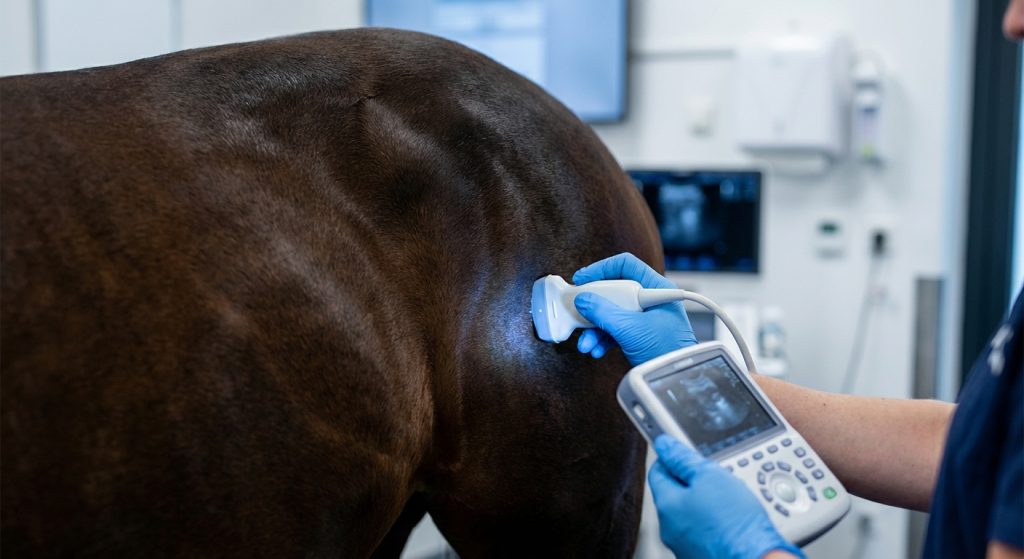
- Ultrasonography: This is excellent for soft tissues. It visualizes tendons, ligaments, and muscles.
- Magnetic Resonance Imaging (MRI): MRI offers high-resolution images. It’s invaluable for subtle bone and soft tissue injuries. This technology allows for detailed examination of structures not easily seen with other methods.
- Computed Tomography (CT Scans): CT scans provide cross-sectional images. They are useful for complex bone issues. They can reveal intricate details of fractures and joint surfaces.
- Endoscopy: This allows visualization of internal organs. It’s used for respiratory and gastrointestinal tract examination.
- Thermography: It detects heat patterns. This can indicate inflammation or altered blood flow.
- Scintigraphy (Bone Scan): This highlights areas of increased bone activity. It helps pinpoint subtle bone injuries.
These diagnostic technologies are crucial. They guide treatment decisions. They also allow for targeted therapies. This leads to better patient outcomes.
Surgical Interventions for Performance Horses
Sometimes, conservative treatments are not enough. Surgery becomes necessary. Equine surgery has advanced significantly. It offers solutions for many conditions. Common surgical procedures include:
Arthroscopy
This is a minimally invasive technique. Surgeons use a small camera (arthroscope). They insert it into the joint. This allows them to see inside. They can then remove bone chips. They can also repair cartilage damage. Arthroscopy leads to quicker recovery times. It also reduces post-operative pain.
Tendon and Ligament Surgery
Surgery can repair damaged tendons and ligaments. Techniques vary based on the injury. Stem cell therapy and PRP (Platelet-Rich Plasma) are often used alongside surgery. These regenerative options can aid healing. They promote tissue repair and regeneration. This is a significant advancement in equine sports medicine.
Fracture Repair
Complex fractures can be repaired. This often involves plates, screws, and pins. The goal is to stabilize the bone. Proper alignment is essential for healing. Successful repair can return a horse to a functional life. In some cases, it can even allow a return to performance. This is a testament to modern orthopedic veterinary care.
Colic Surgery
When colic is severe, surgery is needed. It addresses intestinal blockages or twists. Prompt surgical intervention is critical. It can be life-saving for the horse. The veterinarian must assess the urgency carefully. Early diagnosis and intervention are paramount.
Respiratory Surgeries
Procedures like tie-back surgery for recurrent laryngeal hemiplegia (RLH) are common. RLH affects the nerves controlling the larynx. This can impair airflow during exercise. Surgery aims to improve breathing. It can significantly enhance a performance horse’s ability. This is particularly relevant for racehorses.
Rehabilitation and Recovery
Surgery is often just the beginning. Effective rehabilitation is crucial. It helps the horse regain strength and function. It also prevents re-injury. Rehabilitation programs are tailored. They consider the specific surgery and the horse’s condition.
Common rehabilitation methods include:
- Rest and Controlled Exercise: Gradual increase in activity is key.
- Hydrotherapy: Water treadmills and pools offer low-impact exercise. This helps build muscle and improve cardiovascular fitness. It is especially beneficial for horses recovering from leg injuries.
- Therapeutic Ultrasound and Laser Therapy: These modalities can reduce inflammation and promote healing.
- Massage and Physiotherapy: These help maintain flexibility. They also release muscle tension.
- Extracorporeal Shockwave Therapy (ESWT): This can stimulate healing in soft tissue injuries.
A structured rehabilitation plan is vital. It ensures a safe return to full work. It also maximizes the horse’s long-term health. This holistic approach is central to modern equine veterinary practice.
The Role of Technology in Equine Care
Technology is transforming equine medicine. Advanced imaging has already been mentioned. However, technology’s role extends further. Wearable sensors are emerging. These can monitor a horse’s vital signs. They can track activity levels and gait. This data provides early warnings. It can alert owners to potential issues. This proactive approach is invaluable for performance horses. Furthermore, AI is increasingly used in diagnostics. It can help analyze complex imaging data. It also aids in predicting disease risk. For instance, AI can help detect subtle patterns in radiographic images. This can lead to earlier diagnoses of conditions like equine laminitis. This proactive monitoring is a significant step forward.
Telemedicine is also growing. It allows remote consultations. This is especially helpful for owners in rural areas. It provides access to specialist advice. It can also facilitate follow-up care. This is crucial for consistent treatment. The integration of veterinary telemedicine is a boon for equine health management.
Finding Expert Equine Vets in Vietnam
As Vietnam’s equestrian industry grows, so does the demand for skilled vets. It is essential to find veterinarians with specific expertise. Look for vets experienced with performance horses. They should be familiar with common sports injuries. They should also have access to modern diagnostic and surgical facilities. Networking within the equestrian community is a good starting point. Asking trainers and stable managers for recommendations is wise. A vet who understands the specific demands of your horse’s discipline is ideal. They can offer tailored advice. They can also provide the best possible care. Ensuring your horse receives expert attention is paramount.
Frequently Asked Questions (FAQ)
What are the most common health issues for performance horses?
Common issues include tendon and ligament injuries, joint problems like arthritis, bone injuries, respiratory conditions, and gastrointestinal problems like colic. These are often due to the high demands placed on their bodies.
How important is preventive care for performance horses?
Preventive care is extremely important. It is the cornerstone of keeping performance horses sound and healthy. It includes proper nutrition, regular deworming and vaccinations, hoof care, and a balanced exercise program. It helps avoid injuries and diseases.
What advanced diagnostic tools are used in equine medicine?
Advanced tools include digital radiography, ultrasonography, MRI, CT scans, endoscopy, thermography, and scintigraphy. These help veterinarians accurately diagnose complex conditions.
What is arthroscopy in horses?
Arthroscopy is a minimally invasive surgical procedure. It uses a small camera to view and treat problems inside a horse’s joint. It allows for precise removal of bone chips or repair of cartilage damage with faster recovery.
How long does it take for a performance horse to recover after surgery?
Recovery times vary greatly depending on the type of surgery and the horse’s individual healing. It can range from a few months for minor procedures to over a year for more severe injuries. A comprehensive rehabilitation plan is key.
Conclusion
Equine medicine for performance horses is a specialized field. It requires a deep understanding of equine physiology and biomechanics. Preventive care is the foundation. However, when injuries occur, advanced diagnostics and surgical techniques are vital. Furthermore, comprehensive rehabilitation ensures a successful return to health and performance. As Vietnam’s equestrian sector continues to grow, access to expert equine veterinary care becomes increasingly important. Investing in the health of these magnificent athletes is an investment in their longevity and success.
