Microplastics in VN’s Freshwater Fish: A Growing Threat
Published on February 7, 2026 by Admin
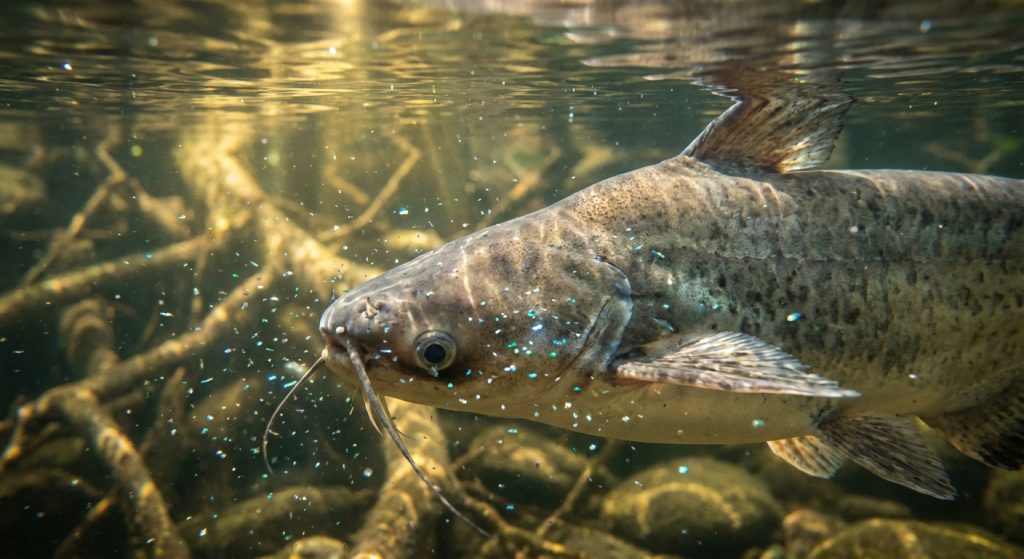
Microplastics are a significant environmental concern. They are tiny plastic particles. These particles are less than 5 millimeters in size. They are found everywhere. This includes our oceans, rivers, and even the air we breathe. Now, they are a serious issue for Vietnam’s freshwater fish. This article explores their impact on fish health.
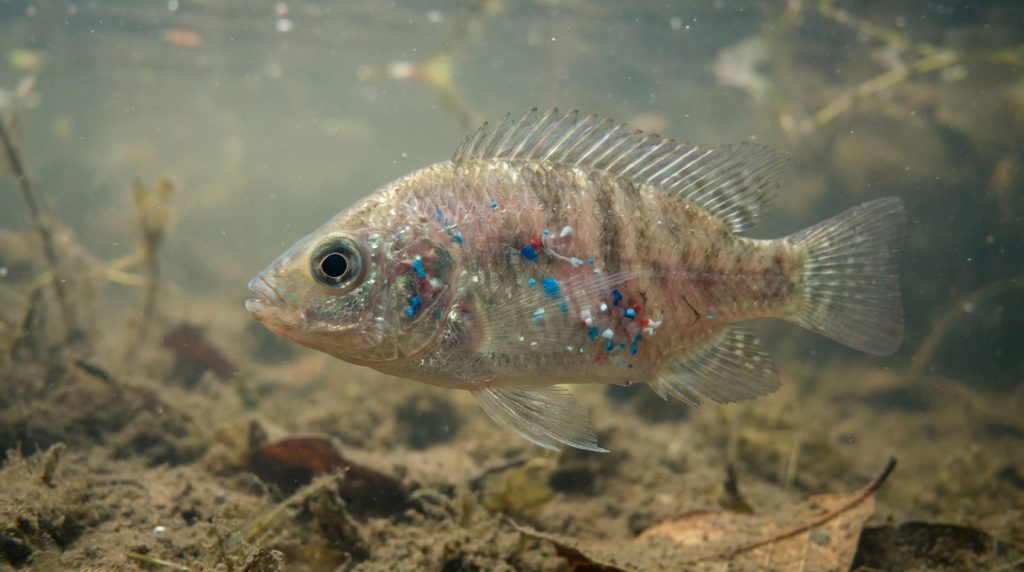
What Are Microplastics and Where Do They Come From?
Microplastics originate from two main sources. Firstly, they come from larger plastic items. These break down over time. This breakdown is due to sunlight and wave action. Secondly, they are manufactured as tiny beads. These are used in cosmetics and industrial processes. For example, microbeads in face washes are a common source. Also, synthetic fibers from clothing wash off. These fibers enter waterways easily. Therefore, rivers and lakes are becoming plastic sinks. These plastic particles are persistent. They do not biodegrade quickly.
The Journey into Vietnam’s Freshwater Systems
Vietnam has extensive river systems. These systems are vital for many communities. Unfortunately, they also receive a lot of plastic pollution. Urban areas contribute heavily. Wastewater treatment plants often cannot filter out microplastics. Agricultural runoff also carries microplastics. These come from plastic mulches. Fishing gear lost at sea also breaks down. As a result, microplastic concentrations are rising. This poses a direct threat to aquatic life.
How Fish Ingest Microplastics
Fish ingest microplastics in several ways. They can mistake plastic particles for food. This is especially true for smaller fish. Filter feeders ingest them directly from the water. Larger fish eat smaller organisms. These smaller organisms have already consumed microplastics. So, the plastics bioaccumulate. This means they move up the food chain. Therefore, even fish that don’t directly eat plastic are affected. This process is called biomagnification. It concentrates plastics at higher trophic levels.
Impacts on Fish Physiology and Health
The ingestion of microplastics has serious consequences. It can cause physical harm. Blockages in the digestive tract are common. This leads to reduced feeding. Consequently, fish experience malnutrition. They may also suffer from internal injuries. Furthermore, microplastics can leach chemicals. These chemicals are additives used in plastic production. Some of these are endocrine disruptors. They interfere with the fish’s hormone systems. This can affect growth and reproduction. For instance, studies show altered reproductive success. This is linked to microplastic exposure. Also, inflammation of the gut is a frequent issue. This impairs nutrient absorption. Therefore, overall fish health declines significantly.
Specific Health Concerns
- Digestive System Issues: Blockages and reduced nutrient absorption.
- Endocrine Disruption: Interference with hormone production and function. This can impact growth and reproductive capabilities.
- Inflammation: Chronic inflammation in the gut tissues. This further hinders digestion.
- Reduced Growth Rates: Malnutrition leads to stunted growth.
- Increased Mortality: Severe cases can lead to death.
These health issues make fish more vulnerable. They are susceptible to diseases. They also struggle to survive in their environment. This is a major concern for ecosystems. It is also a concern for human health.
Microplastics in the Vietnamese Food Chain
Freshwater fish are a staple food in Vietnam. Millions rely on them for protein. When fish ingest microplastics, these plastics enter the human diet. This raises significant public health questions. Currently, the full extent of human health impacts is unknown. However, research is ongoing. The potential for bioaccumulation in humans is a worry. We are essentially eating the plastic pollution we create. This highlights the interconnectedness of environmental and human health.
The presence of microplastics in fish is a stark indicator. It shows the pervasive nature of plastic pollution. It affects ecosystems from the smallest plankton to large fish. This cycle impacts every level. We are seeing the consequences of our plastic consumption. This is a problem that requires urgent attention. The health of our aquatic ecosystems is at stake. So too is our own well-being. It is crucial to understand the full scope of this issue.
Research Gaps and Future Directions
More research is needed. We need to understand the long-term effects. This includes chronic exposure. We also need to study different fish species. Their susceptibility varies. Furthermore, the impact on different life stages is important. For example, larval fish might be more vulnerable. We also need to analyze the specific types of plastics. Their chemical composition matters. Better detection methods are also required. This will help us quantify the problem more accurately. Finally, understanding the human health risks is paramount. This requires interdisciplinary collaboration. Toxicologists and environmental scientists must work together.
Solutions and Mitigation Strategies
Addressing microplastic pollution requires a multi-pronged approach. Firstly, we must reduce plastic use. This means less single-use plastic. Secondly, improving waste management is crucial. Effective collection and recycling systems are needed. Thirdly, wastewater treatment needs upgrading. Advanced filtration can remove microplastics. Fourthly, promoting sustainable alternatives is key. This includes biodegradable materials. Lastly, public awareness campaigns are vital. Educating citizens about the problem is essential. They need to understand their role. Therefore, individual actions matter greatly.
Key Mitigation Steps
- Reduce Single-Use Plastics: Opt for reusable bags, bottles, and containers.
- Improve Waste Management: Support better recycling infrastructure and policies.
- Enhance Wastewater Treatment: Advocate for technologies that filter microplastics.
- Promote Sustainable Materials: Support businesses using eco-friendly alternatives.
- Public Education: Raise awareness about the impact of plastic pollution.
- Policy and Regulation: Governments must implement stricter regulations on plastic production and disposal.
By implementing these strategies, we can protect our freshwater ecosystems. We can also safeguard the health of fish populations. This, in turn, protects human health. It is a collective responsibility. We need action at all levels. From individuals to governments.
Conclusion
Microplastics pose a significant threat. They are entering Vietnam’s freshwater fish. This impacts their health. It also raises concerns for human consumption. The problem is complex. However, solutions exist. Reducing plastic use is paramount. Improving waste management is also critical. Furthermore, continued research is vital. We must understand the full impact. Ultimately, protecting our environment protects our future. It is a mission for toxicologists and environmentalists alike.
Frequently Asked Questions (FAQ)
Are all microplastics harmful to fish?
While not all microplastics may cause immediate harm, their presence can lead to physical damage, chemical leaching, and inflammation. The long-term effects and the impact of specific types of plastics are still under investigation. Therefore, it’s best to assume they pose a risk.
Can microplastics be removed from fish once ingested?
Once ingested, microplastics can become lodged in the digestive tract. Some may pass through, but physical removal is difficult. Prevention is the most effective strategy. This means reducing microplastic pollution at its source.
What are the main sources of microplastics in Vietnamese freshwater?
Major sources include untreated wastewater, breakdown of larger plastic debris, synthetic fibers from clothing, and agricultural plastic use. Therefore, tackling these varied sources is essential.
How does microplastic pollution affect the broader Vietnamese ecosystem?
Microplastics disrupt the food web. They can harm plankton, invertebrates, and ultimately larger predators. This imbalance affects biodiversity. It also impacts the ecological services these ecosystems provide.
What can individuals do to help reduce microplastic pollution?
Individuals can reduce their plastic footprint. This includes using reusable items. They can also participate in local clean-ups. Supporting policies that limit plastic production is also important. Finally, proper waste disposal is key.