
The Silent Threat: VN’s Wild Bees and Economic Ruin
Published on February 7, 2026 by Admin
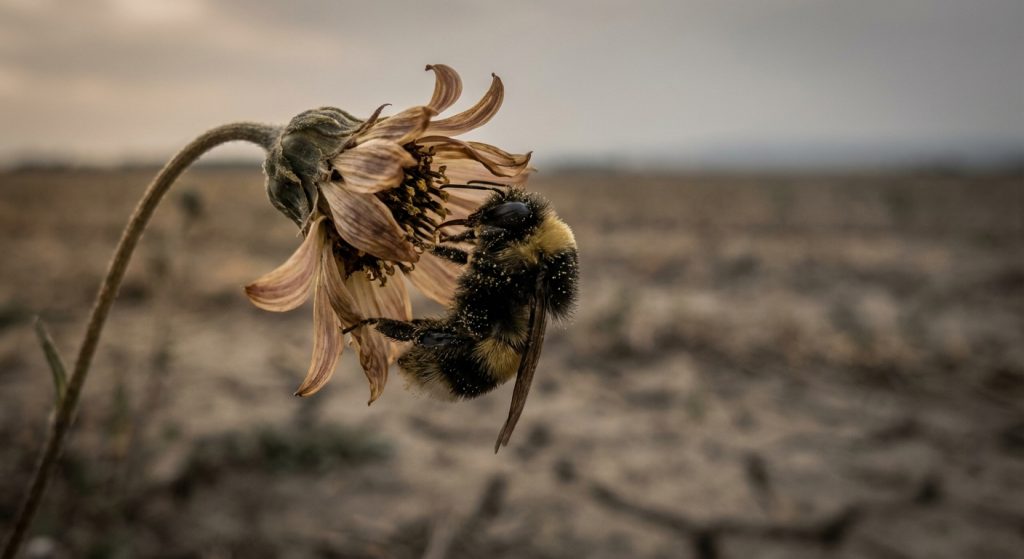
The buzzing of bees is more than just a summer sound. It is the soundtrack to our agricultural success. For Vietnam, this is especially true. Wild bees are vital pollinators. They are essential for many crops. However, these tiny workers are in trouble. Pollinator decline is a serious issue. It poses a significant economic risk to Vietnam. Losing our wild bees could devastate fruit growers. It could also impact the wider economy.
This article explores this critical issue. We will look at the economic consequences. We will also discuss why this decline is happening. Finally, we will explore potential solutions. Agricultural economists and fruit growers need to understand this threat. Action is needed now to protect our pollinators.
Why Wild Bees Matter to Vietnam’s Economy
Wild bees are not just one type of bee. They encompass a huge diversity of species. Many are solitary. Others live in small colonies. Unlike honeybees, they are often overlooked. Yet, their role is indispensable. They are crucial for crop pollination. This is especially true for many fruits grown in Vietnam. Think of mangoes, lychees, and dragon fruit. These crops rely heavily on bee pollination. Without adequate pollination, yields drop dramatically. Fruit quality also suffers.
The economic impact is therefore substantial. Lower yields mean less income for farmers. This affects rural economies directly. It also impacts food security. Furthermore, it affects export revenues. Vietnam is a major agricultural exporter. The fruit sector is a significant contributor. Pollinator decline threatens this vital industry. It could lead to widespread economic hardship.
The Scale of the Economic Risk
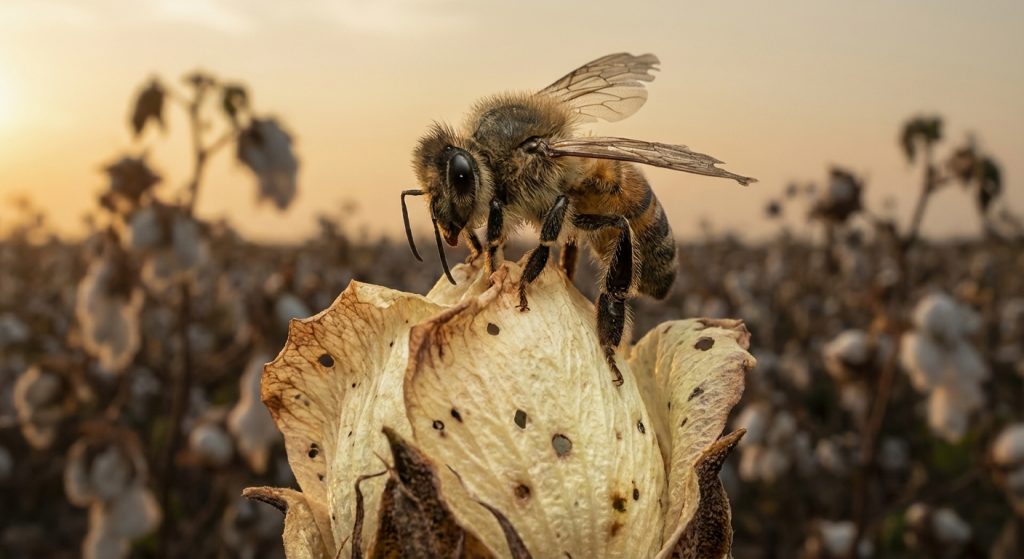
Estimating the exact economic loss is complex. However, studies globally highlight the value of pollination. It is a multi-billion dollar service. For Vietnam, the reliance on wild bees is high. Many fruit orchards are not managed with commercial pollinators. They depend on the natural presence of wild bees. The loss of these bees means direct yield reduction. This could be a 30-50% decrease for some crops. For farmers, this is a devastating blow.
Consider the lychee industry. It is a significant export crop. Lychee flowers need effective pollination. Wild bees are prime candidates. Reduced pollination leads to fewer fruits. It also leads to smaller, less marketable fruits. Therefore, the income for farmers shrinks. This has a ripple effect. It impacts processing industries. It affects transportation and export markets. The entire value chain is vulnerable.
Causes of Wild Bee Decline in Vietnam
Several factors contribute to the decline of wild bee populations. These are often interconnected. Understanding these causes is key to finding solutions.
Habitat Loss and Fragmentation
Urbanization and agricultural expansion are major drivers. Forests are cleared. Natural habitats are destroyed. This removes nesting sites. It also eliminates food sources for bees. Fragmentation breaks up large habitats. This isolates bee populations. It makes them more vulnerable to local extinction. Agricultural intensification often leads to monocultures. These offer limited food diversity for bees. They also increase reliance on pesticides.
Pesticide Use
The widespread use of pesticides in agriculture is a grave concern. Many pesticides, especially insecticides, are harmful to bees. Even at low doses, they can impair navigation. They can also affect foraging behavior. Furthermore, they can weaken bee immune systems. This makes them more susceptible to diseases. Neonicotinoids are particularly notorious. They have been linked to significant bee losses worldwide. While regulations exist, enforcement can be challenging. Therefore, responsible pesticide use is paramount.
Climate Change
Changing weather patterns also impact wild bees. Unpredictable temperatures and rainfall can disrupt flowering times. This can lead to a mismatch between bee emergence and food availability. Extreme weather events, like floods or droughts, can destroy nests and food sources. Climate change also favors certain pests and diseases. These can further stress bee populations. The long-term effects are a serious worry.
Disease and Parasites
Wild bees are also susceptible to diseases and parasites. Pathogens like viruses, bacteria, and fungi can spread. Parasites such as mites can weaken colonies. In some cases, these can be exacerbated by other stressors like pesticide exposure or poor nutrition. Managing these threats in wild populations is extremely difficult.
The Economic Impact on Fruit Growers
Fruit growers are on the front lines of this crisis. The economic consequences for them are immediate and severe. For example, a farmer growing mangoes might see significantly fewer fruits. This means a direct loss of income. The cost of production remains the same. However, the revenue generated is lower. This can lead to financial instability.
Furthermore, the quality of fruits can decline. Poor pollination can result in misshapen or smaller fruits. These are often sold at lower prices. Some may not be marketable at all. This reduces the overall profitability of the farm. In the long run, this can force farmers out of business. This has a profound effect on rural communities.
Beyond Yields: Other Economic Effects
The impact extends beyond just crop yields. Reduced pollination can affect the nutritional content of fruits. This has implications for human health. It can also affect the marketability of produce. Consumers often prefer aesthetically pleasing, high-quality fruits. Pollinator decline directly impacts this. Moreover, the cost of artificial pollination can be prohibitive for smallholder farmers. This makes them even more vulnerable.
The ripple effect continues. Industries that rely on fruit processing face shortages. This can lead to increased raw material costs. It can also lead to production disruptions. The export market, a key revenue source for Vietnam, is also at risk. International buyers expect consistent quality and quantity. Failure to deliver can damage Vietnam’s reputation as a reliable supplier.
Protecting Vietnam’s Wild Bees: A Path Forward
Addressing pollinator decline requires a multi-faceted approach. It involves government policies, farmer practices, and community involvement. Fortunately, there are actions that can be taken.
Sustainable Farming Practices
Farmers can adopt more bee-friendly practices. This includes reducing or eliminating pesticide use. Integrated Pest Management (IPM) is a good alternative. IPM focuses on biological controls and natural methods. Planting diverse crops also helps. It provides a varied diet and habitat for bees. Creating pollinator habitats on farms is crucial. This can involve planting native flowers and shrubs. These provide food and nesting sites.
Agroforestry systems can also be beneficial. Integrating trees into farmland provides shade and habitat. It also improves soil health. This creates a more resilient farming system. Learning about these methods is important. Farmers can access resources and training. Exploring options like agroforestry can offer long-term benefits.
Habitat Restoration and Conservation
Beyond farms, habitat conservation is vital. Protecting natural areas is essential. This includes forests, grasslands, and wetlands. These areas provide crucial resources for wild bees. Government initiatives can support habitat restoration projects. Creating wildlife corridors can help connect fragmented habitats. This allows bee populations to move and interbreed. Citizen science projects can also play a role. They can help monitor bee populations and identify important habitats.
Policy and Regulation
Stronger regulations on pesticide use are needed. This includes phasing out harmful chemicals. Promoting organic farming and bee-friendly alternatives is also important. Governments can offer incentives for farmers who adopt sustainable practices. Research into the specific needs of Vietnam’s wild bee species is also crucial. This will inform targeted conservation efforts. Policies supporting biodiversity conservation are essential. The link between wildlife protection and economic stability is clear. Protecting species also helps prevent future pandemics, a concept discussed in articles on zoonotic spillover.
Public Awareness and Education
Raising public awareness is key. People need to understand the importance of wild bees. Education campaigns can highlight the economic and ecological value of pollinators. Communities can be encouraged to plant pollinator-friendly gardens. Even small urban green spaces can make a difference. Supporting local initiatives that promote biodiversity is also important. For instance, urban gardening and beekeeping projects can contribute. Learning about pollinator garden layouts can help individuals contribute.
Frequently Asked Questions (FAQ)
What is pollinator decline?
Pollinator decline refers to the significant decrease in the populations of pollinators, such as bees, butterflies, and moths. This decline is a global concern impacting ecosystems and agriculture.
Are wild bees important for Vietnamese agriculture?
Yes, absolutely. Wild bees are crucial for pollinating many of Vietnam’s key fruit crops. Without them, crop yields and quality would suffer significantly, impacting farmers’ incomes and the national economy.
What are the main causes of wild bee decline?
The primary causes include habitat loss and fragmentation, the widespread use of harmful pesticides, climate change impacts, and the spread of diseases and parasites.
How does pollinator decline affect fruit growers economically?
It leads to reduced crop yields, lower fruit quality, and decreased income for farmers. This can make farming unsustainable and impact the entire agricultural supply chain.
What can farmers do to help wild bees?
Farmers can adopt sustainable practices like reducing pesticide use, planting diverse crops, creating pollinator habitats, and implementing Integrated Pest Management (IPM).
Can individuals help protect wild bees?
Yes, individuals can help by planting native flowers and shrubs in gardens, avoiding pesticide use, and supporting local conservation efforts. Educating others also plays a vital role.
Conclusion
The economic risk of losing Vietnam’s wild bees is immense. It threatens the livelihoods of fruit growers. It jeopardizes a significant sector of the national economy. Pollinator decline is a complex problem. However, it is not insurmountable. By understanding the causes and implementing sustainable solutions, we can protect these vital insects.
This requires a concerted effort. It involves farmers, policymakers, researchers, and the public. Investing in pollinator health is investing in our future. It is an investment in food security. It is an investment in economic stability. It is an investment in a healthier planet. Let us act now to ensure the continued buzz of our wild bees.
