
Snake Venom: From Deadly Toxin to Life-Saving Medicine
Published on February 7, 2026 by Admin

Snake venom is often feared. It is associated with danger and death. However, this potent biological cocktail holds immense promise. Indeed, it is a treasure trove for medical innovation. Pharmacologists and toxinologists are unlocking its secrets. They are transforming deadly toxins into life-saving medicines. This article explores this fascinating field. It delves into the research and applications of snake venom in medicine.
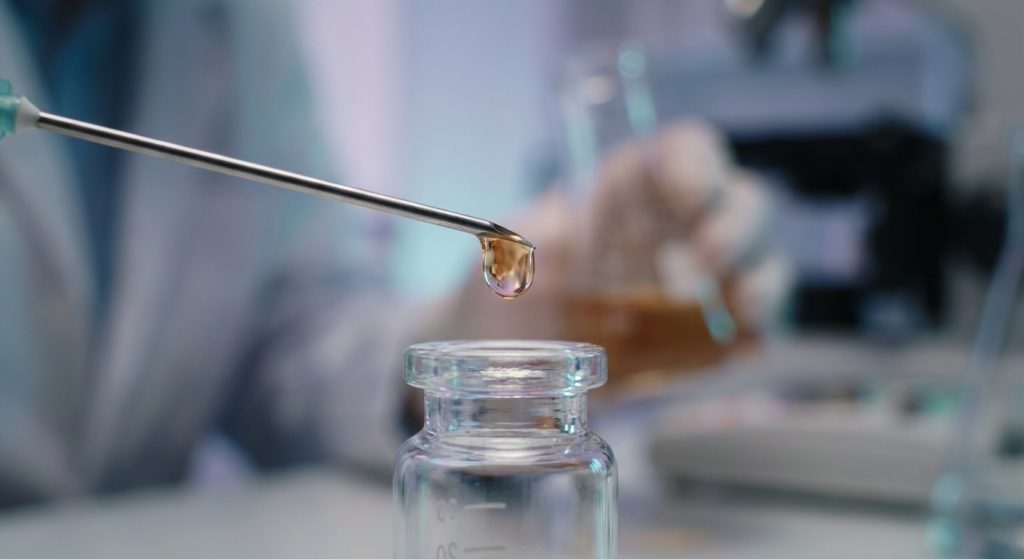
The Dual Nature of Snake Venom
Snake venom is a complex mixture. It contains hundreds of different proteins and enzymes. These components have evolved for specific purposes. Primarily, they help snakes subdue prey. They also aid in digestion. However, these same components can have profound effects on human physiology. Some venoms can cause rapid blood clotting. Others can paralyze muscles. Still others can break down tissue. This diversity is what makes venom so interesting to researchers.
Understanding this complexity is crucial. It allows scientists to isolate specific toxins. These toxins can then be studied for their therapeutic potential. It is a remarkable example of nature’s ingenuity. It also highlights the power of scientific inquiry. We are learning to harness nature’s most potent weapons for healing.
Key Components and Their Therapeutic Potential
Several key components within snake venom have shown significant medical promise. Firstly, anticoagulants are particularly noteworthy. These are toxins that prevent blood from clotting. For example, certain snake venoms contain enzymes that break down fibrinogen. This is a key protein in the clotting cascade. These enzymes can be used to treat conditions where blood clots are dangerous.
Furthermore, some venoms contain neurotoxins. These toxins affect nerve function. While deadly in their natural state, specific neurotoxins can be modified. They can then be used to treat neurological disorders. For instance, they might help manage chronic pain. They could also potentially treat conditions like epilepsy. This is a complex area of research. However, the potential is significant.
Enzymes that break down proteins are also present. These enzymes, called proteolytic enzymes, can be useful. They can help clear away damaged tissue. Therefore, they are being explored for wound healing. They might also aid in breaking down scar tissue. Additionally, some venom components show promise in cancer research. They can target specific cells. This offers a new avenue for drug development.
Anticoagulants: A Lifeline for Cardiovascular Health
Blood clots are a major health concern. They can lead to heart attacks and strokes. Snake venom offers potent anticoagulants. These toxins can prevent harmful clot formation. For instance, Waglerin-1 from the viper family is a powerful anticoagulant. It works by inhibiting platelet aggregation. Researchers have developed drugs based on these toxins. These drugs are vital for patients with heart disease. They help prevent life-threatening thrombotic events. Moreover, the development of these antivenoms is a testament to careful scientific extraction and modification. This is an ongoing area of significant research.
Neurotoxins: Targeting Nerve Function for Pain Relief
Neurotoxins are perhaps the most well-known venom components. They interfere with nerve signaling. This can cause paralysis. However, selective neurotoxins can be harnessed. They can be used to modulate pain pathways. For example, conotoxins from cone snails, while not snake venom, demonstrate this principle. They are highly specific. They can block pain signals at their source. Researchers are developing potent painkillers from these compounds. These could offer alternatives to addictive opioids. The precision of these toxins is remarkable. Therefore, they represent a promising frontier in pain management.
Other Promising Compounds
Beyond anticoagulants and neurotoxins, snake venom contains a wealth of other bioactive compounds. For instance, some venoms possess cytotoxic properties. These can kill cells. This is being investigated for cancer therapy. Specifically, some toxins can induce apoptosis, or programmed cell death, in cancer cells. This offers a targeted approach to treatment. Furthermore, enzymes like hyaluronidase are present. These enzymes help venom spread through tissue. They also aid in absorption. In medicine, hyaluronidase can be used to enhance drug delivery. It helps drugs penetrate tissues more effectively. This is particularly useful in localized treatments.
The Process of Venom Research and Drug Development
The journey from venom to medicine is long and complex. It begins with careful collection. Snakes are milked for their venom. This process must be done safely and ethically. Then, the venom is analyzed. Advanced techniques are used to identify its components. Proteomics and mass spectrometry are key tools here. They help map out the complex mixture of proteins.
Once identified, individual toxins are isolated. This often involves sophisticated chromatography. The purified toxins are then tested. They are studied in vitro and in vivo. Researchers look for specific biological activities. They assess safety and efficacy. If a toxin shows promise, it is further developed. This can involve chemical modification. It might also involve synthesizing the toxin. The goal is to create a stable, effective drug. This entire process requires collaboration. It involves biologists, chemists, pharmacologists, and clinicians working together.
From Milking to Molecular Analysis
The first step is venom extraction. This is a delicate process. It requires skilled handlers to safely collect venom from live snakes. This collected venom is then freeze-dried. This preserves its potency for later analysis. Next, scientists use sophisticated techniques. These include liquid chromatography and mass spectrometry. These methods help separate and identify the individual protein components. This is like finding a needle in a haystack. However, it is essential for understanding the venom’s full potential. The sheer diversity of molecules in even a single venom sample is astounding. Therefore, precise identification is paramount.
Drug Discovery and Pre-Clinical Testing
After identifying promising toxins, the real work begins. Researchers aim to isolate or synthesize these compounds. They then conduct rigorous testing. This includes laboratory experiments. They also perform animal studies. These pre-clinical trials assess how the compound works. They also evaluate its safety. The aim is to understand its therapeutic window. This means finding the dose that is effective but not toxic. Indeed, many promising compounds fail at this stage. However, success here is critical for moving forward. The ethical considerations in animal testing are also carefully managed. This ensures the welfare of the test subjects.
Applications in Modern Medicine
Snake venom derivatives are already in use. They are vital in treating several conditions. For example, Captopril, a groundbreaking drug for high blood pressure, was inspired by snake venom. It was developed from a peptide found in the venom of the Brazilian pit viper. This drug revolutionized hypertension treatment. Other venom-derived drugs are used to treat hemophilia and other bleeding disorders. They are also used in diagnostic tests.
The future looks even brighter. Ongoing research is exploring venom’s potential in many areas. These include cancer therapy, pain management, and treating autoimmune diseases. As our understanding of molecular biology grows, so does our ability to harness these natural compounds. This field continues to evolve rapidly.
Existing Venom-Derived Drugs
Several life-saving drugs have roots in snake venom. For instance, Eptifibatide is a glycoprotein IIb/IIIa inhibitor. It is derived from a disintegrin found in the venom of the Southern Copperhead snake. It is used to prevent blood clots in patients with acute coronary syndromes. Similarly, Tirofiban, another antiplatelet drug, was inspired by snake venom components. These drugs have saved countless lives. They demonstrate the direct impact of venom research on patient outcomes. The development of these medications highlights the power of repurposing natural toxins.
Emerging Therapies and Future Prospects
The potential applications are vast. Scientists are investigating snake venom for its anti-cancer properties. Some toxins can selectively kill cancer cells. Others can inhibit tumor growth. Furthermore, venom components are being studied for neurodegenerative diseases. They might offer new ways to protect brain cells. The field of regenerative medicine also sees potential. Certain venom peptides could stimulate tissue repair. Additionally, research into venom’s antimicrobial properties is ongoing. This could lead to new treatments for antibiotic-resistant infections. The exploration of these natural compounds is a testament to scientific curiosity and innovation. It is truly a frontier of modern pharmacology.
Challenges and Ethical Considerations
Despite the immense potential, challenges remain. Firstly, obtaining sufficient quantities of venom is difficult. Snakes are not always easy to find or farm. Secondly, the complexity of venom makes isolation and synthesis challenging. Some toxins are unstable. Others are difficult to produce in large amounts. Ethical concerns also arise. This includes the humane treatment of snakes. It also involves ensuring responsible research practices. The potential for misuse of potent toxins also needs consideration. However, with careful regulation and ethical guidelines, these challenges can be overcome.
Furthermore, the development of synthetic alternatives is crucial. This can reduce reliance on wild-caught snakes. It also ensures a consistent and pure supply of therapeutic compounds. The ethical sourcing of venom is paramount. It ensures the sustainability of both research and conservation efforts. Therefore, a balanced approach is essential for long-term success.
Sustainable Sourcing and Production
Ensuring a sustainable supply of venom is a key challenge. Relying solely on wild populations is not viable. Therefore, snake farms are often used. These facilities allow for controlled venom collection. However, maintaining healthy snake populations is crucial. Ethical treatment and appropriate housing are non-negotiable. Moreover, advancements in synthetic biology offer promising alternatives. Scientists are exploring ways to produce venom toxins using engineered microorganisms. This could provide a consistent and ethical source for drug development. This approach minimizes harm to wild populations. It also ensures a reliable supply for medical needs.
The Ethics of Toxin Research
Working with potent toxins requires strict ethical protocols. Safety is paramount for researchers. Furthermore, the welfare of the animals involved is critical. Responsible handling and housing are essential. When considering drug development, ethical sourcing is key. This means avoiding exploitation of animals or ecosystems. The potential for toxins to be weaponized is another concern. Therefore, strict controls and international cooperation are vital. The goal is to harness nature’s power for good. This requires a commitment to ethical practices at every step. The future of this field depends on responsible innovation. It requires a deep respect for both science and nature.
Conclusion
Snake venom research is a remarkable field. It transforms a symbol of danger into a source of healing. Pharmacologists and toxinologists are at the forefront of this work. They are unlocking the secrets of these complex biological cocktails. From life-saving anticoagulants to potential cancer therapies, the applications are vast. While challenges exist, ongoing research and ethical considerations pave the way for future breakthroughs. Indeed, the journey from a snake’s bite to a patient’s recovery is a testament to human ingenuity and nature’s incredible power.
Frequently Asked Questions (FAQ)
What is snake venom made of?
Snake venom is a complex mixture. It contains hundreds of different proteins and enzymes. These include toxins like neurotoxins and anticoagulants. It also contains enzymes that aid in digestion and tissue breakdown.
Can snake venom be used to treat cancer?
Yes, researchers are actively investigating snake venom components for cancer treatment. Some toxins can selectively kill cancer cells or inhibit tumor growth. However, this is still an area of active research and development.
How are snake venom drugs developed?
The process involves collecting venom, analyzing its components, isolating specific toxins, and testing them for therapeutic effects. Promising toxins are then developed into drugs through synthesis or modification, followed by rigorous pre-clinical and clinical trials.
Are there any ethical concerns with snake venom research?
Yes, ethical concerns include the humane treatment and sustainable sourcing of snakes. There are also considerations regarding the safe handling and potential misuse of potent toxins. Research aims to address these through ethical guidelines and advancements like synthetic production.
What are some examples of existing drugs derived from snake venom?
Drugs like Captopril (for high blood pressure), Eptifibatide, and Tirofiban (antiplatelet drugs) were inspired by or derived from snake venom components. These have significantly impacted the treatment of cardiovascular diseases.
