
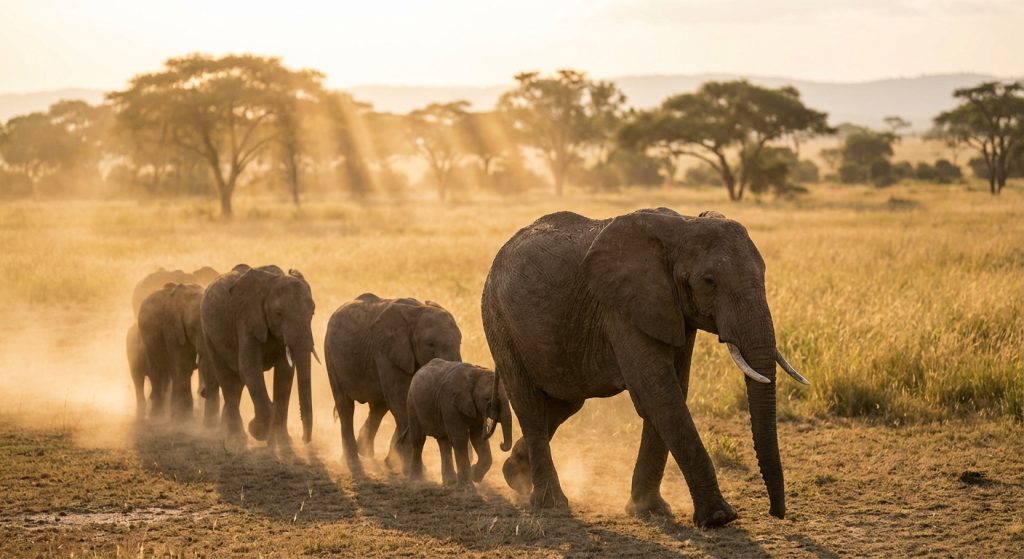
Elephants are known for their intelligence and complex social lives. Sociologists and conservationists alike can learn much from their herd structures. These lessons are vital for understanding leadership and cooperation. This article explores the fascinating social dynamics of elephant herds. It draws parallels to human societal structures and leadership principles. Conservation efforts can also benefit from these insights.
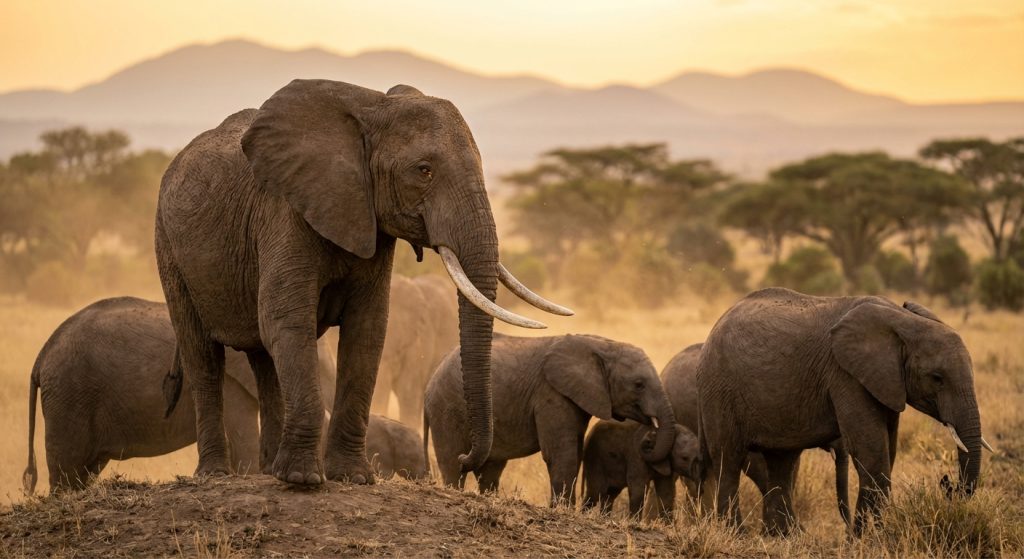
The Matriarchal Foundation
At the heart of every elephant herd is the matriarch. She is typically the oldest and most experienced female. Her leadership is crucial for herd survival. She guides them to water and food sources. She also remembers migration routes. Furthermore, she protects the herd from danger. Her decisions are based on years of accumulated knowledge. This makes her an indispensable leader.
The matriarch’s authority is usually absolute. However, it is also gentle and guiding. She doesn’t rule by force. Instead, she leads through wisdom and experience. Other females in the herd respect her. They follow her lead without question. Younger females learn from her. They observe her behavior and decision-making. This is a form of mentorship.
Family Bonds and Social Cohesion
Elephant herds are primarily family units. They consist of related females and their offspring. Males typically leave the herd upon reaching adolescence. They then live solitary lives or form bachelor groups. This structure ensures the protection of young calves. It also fosters strong social bonds among females. These bonds are essential for cooperation. They are also key for mutual support.
These family ties are incredibly strong. Elephants show immense loyalty to their kin. They mourn their dead. They also help injured or sick members. This deep sense of community is remarkable. It highlights the importance of social connections. For sociologists, this is a powerful example. It shows how kinship shapes society. For conservationists, it emphasizes the need to protect family units.
Cooperation in Action
Cooperation is a cornerstone of elephant society. Herds work together to raise calves. Older females often help care for younger ones. This is known as allomothering. It allows mothers to forage or rest. It also provides valuable learning opportunities for young elephants. This shared responsibility strengthens the herd. It ensures the survival of future generations. This collective effort is a lesson in teamwork.
Furthermore, elephants cooperate in defense. When a predator threatens, the adults form a protective circle. They surround the young. They use their tusks and trunks to ward off danger. This coordinated response is highly effective. It demonstrates the power of collective action. It shows how working together enhances safety. This is a valuable leadership lesson.
Communication and Decision-Making
Elephants communicate through a variety of methods. These include vocalizations, body language, and infrasound. Infrasound is low-frequency sound. It can travel for miles. This allows elephants to communicate over long distances. It is used for coordination and alarm calls. It also helps maintain herd cohesion. This sophisticated communication is vital for their social structure.
Decision-making within the herd is often democratic. While the matriarch has the final say, input from others is considered. Younger females might signal a preferred direction. The matriarch weighs these signals. She makes the final decision for the group. This consultative approach ensures buy-in. It also promotes harmony within the herd. It is a model of inclusive leadership.
Lessons in Leadership for Conservation
The social structures of elephants offer profound lessons. Firstly, leadership is not just about authority. It is about wisdom, experience, and empathy. A good leader, like a matriarch, prioritizes the well-being of the group. They make decisions based on collective benefit. This is a critical insight for conservation managers. They often face complex challenges. Effective leadership is paramount in such situations.
Secondly, strong social bonds are vital for resilience. Elephant herds thrive because of their deep connections. This underscores the importance of community in conservation. Protecting elephant families means preserving these bonds. It also means maintaining their social networks. These networks are crucial for knowledge transfer. They are also important for mutual support during difficult times.
Moreover, cooperation is a survival strategy. Elephants demonstrate this daily. Their ability to work together is impressive. Conservation efforts often require collaboration. This can be between different organizations. It can also be between scientists and local communities. Learning from elephant cooperation can foster better partnerships. It can lead to more successful conservation outcomes.
The Role of Experience
The matriarch’s leadership is built on experience. She has navigated droughts and floods. She has faced predators and poachers. This deep well of experience informs her decisions. It makes her an invaluable asset to the herd. Similarly, experienced conservationists bring critical knowledge. They understand local ecosystems. They also know the challenges faced by wildlife. Their guidance is essential for long-term success. Therefore, valuing and learning from experienced individuals is key.
Challenges and Threats
Despite their strong social structures, elephants face many threats. Habitat loss is a major issue. It fragments their territories. It also limits their access to resources. Poaching for ivory remains a significant danger. These threats disrupt their social fabric. They can lead to the loss of experienced matriarchs. This can destabilize entire herds. Consequently, conservation efforts must address these challenges directly.
Human-wildlife conflict also poses a threat. As human populations expand, interactions increase. This can lead to conflict over resources. It can also result in retaliatory killings. Therefore, fostering coexistence is crucial. Understanding elephant social behavior helps in mitigating these conflicts. It allows for more targeted and effective interventions.
Applying Elephant Wisdom to Human Society
The lessons from elephant herds extend beyond conservation. They offer valuable insights for human leadership. In business, a matriarchal approach might foster loyalty. It could lead to more collaborative environments. In community organizing, the emphasis on family bonds resonates. It highlights the importance of strong social support systems. Furthermore, the elephant’s consultative decision-making process is a model for good governance. It shows how to build consensus and inclusivity.
For example, consider the concept of shared responsibility in calf-rearing. This translates to shared leadership in projects. It means empowering team members. It also means fostering a supportive environment. Similarly, the elephants’ communication methods, especially infrasound, highlight the importance of diverse communication channels. Sometimes, the most impactful messages are those that are subtle or unseen.
The Importance of Memory and Knowledge Transfer
Elephant herds possess a collective memory. Matriarchs pass down vital knowledge across generations. This includes information about water sources, food, and dangers. This knowledge transfer is critical for survival. It ensures that younger generations are prepared. In human societies, this is analogous to education and cultural transmission. It emphasizes the importance of preserving history. It also highlights the need to share knowledge effectively. This is particularly relevant in fields like conservation science. We must learn from past successes and failures. We must also pass this knowledge to future researchers and practitioners.
Conclusion
The social structures of elephant herds are a marvel of the natural world. Their matriarchal leadership, strong family bonds, and cooperative behaviors offer invaluable lessons. These lessons are relevant to sociologists studying human societies. They are also critical for conservationists working to protect these magnificent animals. By understanding and respecting elephant social dynamics, we can foster better leadership. We can also build stronger communities. Ultimately, this wisdom can contribute to a more sustainable and cooperative future for all. Their complex social lives serve as a powerful reminder of the interconnectedness of all beings.
Frequently Asked Questions
What is the primary role of the matriarch in an elephant herd?
The matriarch, typically the oldest and most experienced female, leads the herd. She guides them to resources like water and food. She also remembers migration routes and protects the herd from dangers. Her leadership is based on wisdom and experience.
How do elephants communicate with each other?
Elephants use a variety of methods, including vocalizations, body language, and infrasound. Infrasound, low-frequency sound, allows them to communicate over long distances. This is used for coordination, alarm calls, and maintaining herd unity.
Why are male elephants usually solitary or in bachelor groups?
Upon reaching adolescence, male elephants typically leave their natal herds. They then tend to live solitary lives or form small groups with other males. This is a natural part of their life cycle.
What is “allomothering” in elephant herds?
Allomothering is when older females in the herd help care for the young offspring of other females. This allows mothers to forage or rest while ensuring the calves are supervised and nurtured. It strengthens herd bonds and aids in calf development.
What are the main threats facing elephant populations today?
The primary threats include habitat loss due to human expansion, poaching for ivory, and human-wildlife conflict. These factors disrupt their social structures and endanger their survival.
How can we apply lessons from elephant social structures to human leadership?
We can learn about the importance of wisdom and experience in leadership, the value of strong social bonds and cooperation, and the benefits of consultative decision-making. These principles can foster more empathetic and effective leadership in various human contexts.
