
The Ethics of Animal Testing: Seeking Compassionate Alternatives
Published on February 7, 2026 by Admin
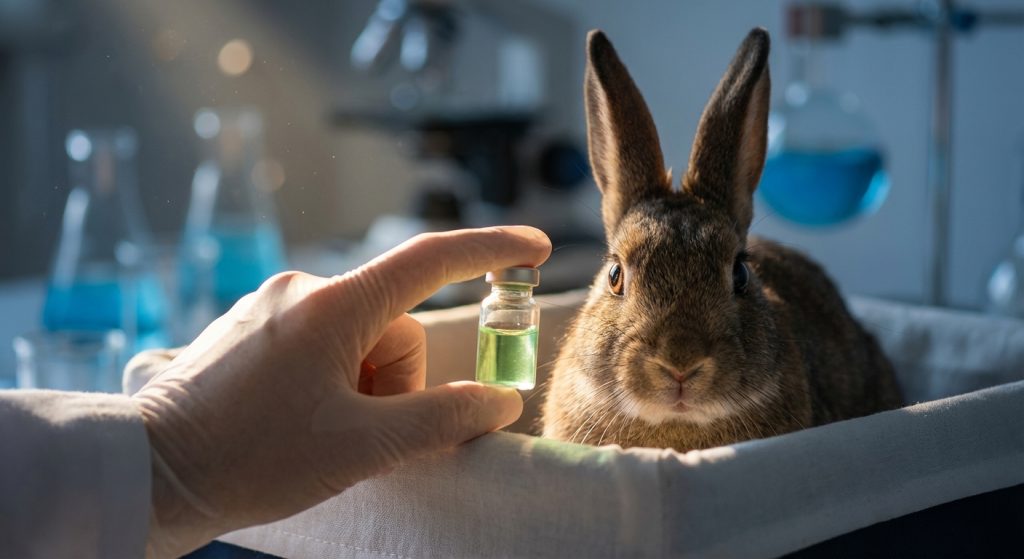
For decades, animal testing has been a standard practice in the development of new products. This includes cosmetics. However, ethical concerns are growing. Many people now question the necessity of using animals for testing. This is especially true for products that are not life-saving medicines. Consequently, there’s a significant push towards finding and implementing alternative testing methods. This article explores the ethics of animal testing in cosmetics. It also highlights the exciting advancements in alternative approaches.
The Ethical Dilemma of Animal Testing
Animal testing involves using living creatures to assess the safety and efficacy of products. This can include a range of procedures. Some tests involve applying substances to an animal’s skin or eyes. Others involve force-feeding or even lethal doses. Therefore, these practices raise serious ethical questions. Many argue that animals, like humans, deserve to be free from unnecessary suffering. They believe that inflicting pain on sentient beings for non-essential products is morally wrong.
Why Cosmetics Testing is Particularly Contentious
The debate is particularly heated in the cosmetics industry. Unlike pharmaceuticals, which often aim to treat or prevent serious diseases, cosmetic products are primarily for aesthetic enhancement. Therefore, the argument is that the potential suffering of animals outweighs the benefit of a new lipstick or shampoo. Many consumers now actively seek out cruelty-free brands. This consumer demand is a powerful driver for change.
The History and Current Landscape
Historically, animal testing was the only widely accepted method for assessing product safety. Regulatory bodies often mandated these tests. However, scientific understanding and ethical considerations have evolved. This evolution has led to a shift in perspective. Many countries and regions have already banned or restricted cosmetic animal testing. For instance, the European Union has a comprehensive ban. Similarly, many other nations are following suit.
Regulatory Shifts and Global Trends
Regulatory bodies worldwide are increasingly recognizing the validity and reliability of alternative methods. This recognition is crucial. It allows companies to move away from animal testing without compromising product safety. Furthermore, international cooperation is helping to harmonize regulations. This makes it easier for companies to operate globally with cruelty-free practices.
The Rise of Alternative Testing Methods
Fortunately, science has made remarkable progress. Innovative alternatives to animal testing are now available. These methods are often more efficient, cost-effective, and sometimes more predictive of human reactions than traditional animal tests. Therefore, they represent a win-win for ethics and science.
In Vitro Testing: The Power of Cell Cultures
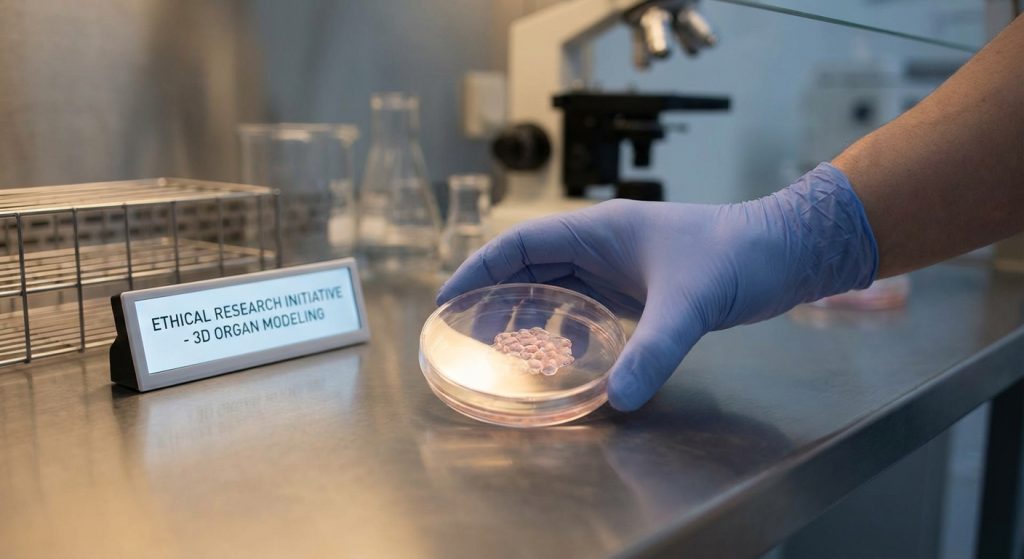
One of the most significant advancements is in vitro testing. This involves using cell cultures and tissue models in a laboratory setting. For example, scientists can grow human skin cells. They can then test cosmetic ingredients on these cells. This provides a direct assessment of potential irritation or toxicity. These methods are highly sophisticated. They can mimic human responses with great accuracy. This approach avoids animal use entirely. It is a cornerstone of modern safety assessment.
In Silico Methods: Computer Modeling and AI
Another promising area is in silico testing. This uses advanced computer modeling and artificial intelligence (AI). Sophisticated algorithms can predict the potential effects of chemicals based on existing data. This involves analyzing molecular structures and comparing them to known toxic compounds. AI can rapidly screen vast databases. It can identify potential hazards without any physical testing. This technology is rapidly advancing. It offers a powerful tool for predicting safety. You can learn more about how AI is revolutionizing various fields, including surveillance, which showcases its predictive capabilities.
Human Volunteers and Advanced Imaging
Furthermore, human volunteers can participate in certain safety studies. These are carefully controlled and ethical. They provide the most relevant data for human safety. Advanced imaging techniques also play a role. They can help assess product effects on human tissues non-invasively. These methods ensure that safety is evaluated on the actual target species.
Benefits of Embracing Alternatives
Moving away from animal testing offers numerous advantages. These benefits extend beyond ethical considerations. They impact scientific progress and business operations.
Scientific Advancement and Reliability
Alternative methods can often provide more relevant data. Animal physiology differs significantly from human physiology. Therefore, results from animal tests may not always accurately predict human reactions. In contrast, in vitro and in silico methods often use human cells or sophisticated computational models. This leads to more reliable safety assessments. It helps prevent unexpected reactions in consumers.
Cost-Effectiveness and Efficiency
Traditional animal testing can be expensive and time-consuming. It requires significant resources for animal care, housing, and the testing procedures themselves. Alternative methods, once established, can be more cost-effective and much faster. For example, computer modeling can screen thousands of compounds in a fraction of the time. This efficiency allows companies to innovate more rapidly. It also helps bring safer products to market quicker.
Public Perception and Brand Reputation
Consumers are increasingly conscious of ethical issues. Brands that commit to cruelty-free practices often enjoy enhanced public trust and loyalty. Therefore, adopting alternative testing methods is not just an ethical choice; it’s a smart business strategy. It aligns with modern consumer values. It can significantly boost a company’s reputation. This is particularly relevant in the beauty and personal care sectors.
Challenges and the Path Forward
Despite the progress, challenges remain. Transitioning to new methods requires investment and adaptation. Regulatory acceptance of novel alternatives can sometimes be slow. Furthermore, ensuring that all existing animal test methods are replaced requires ongoing effort.
Bridging the Gap in Regulatory Acceptance
One key challenge is ensuring that regulatory bodies worldwide fully accept and validate new alternative methods. This requires robust scientific data and international collaboration. Companies and research institutions are working together. They aim to provide the necessary evidence to gain broad regulatory approval.
Industry Collaboration and Innovation
Collaboration between industry, academia, and regulatory agencies is vital. This partnership fosters innovation. It accelerates the development and implementation of new testing strategies. Investing in research and development for these alternatives is crucial. It ensures continuous improvement and the phasing out of outdated methods.
Educating Consumers and Stakeholders
Raising awareness among consumers and stakeholders about the availability and reliability of non-animal testing methods is also important. Educating the public helps drive demand for cruelty-free products. It also supports companies in their transition away from animal testing. Informed choices empower consumers to support ethical brands.
Conclusion: A Cruelty-Free Future is Within Reach
The ethical imperative to end animal testing in cosmetics is clear. Fortunately, scientific innovation is providing viable and superior alternatives. From sophisticated cell cultures to powerful AI models, the future of product safety testing is moving towards more humane and scientifically robust methods. Activists and pharmaceutical companies alike can champion this transition. By supporting research, advocating for regulatory change, and choosing cruelty-free products, we can collectively move towards a future where beauty and safety do not come at the cost of animal suffering.
Frequently Asked Questions (FAQ)
What are the main ethical concerns regarding animal testing for cosmetics?
The primary ethical concern is the infliction of suffering and potential harm on sentient beings for products that are not medically essential. Many consider it morally unjustifiable to cause pain and distress to animals for the sake of cosmetic development.
Are there effective alternatives to animal testing for cosmetics?
Yes, there are several effective alternatives. These include in vitro methods using cell cultures and tissue models, in silico computational modeling and AI, and studies involving human volunteers. These methods are often more predictive of human responses than animal tests.
Which countries have banned cosmetic animal testing?
The European Union has a comprehensive ban. Many other countries, including India, Israel, Norway, Switzerland, and several others, have also implemented bans or restrictions on cosmetic animal testing.
How can consumers support the move away from animal testing?
Consumers can support this movement by actively choosing and purchasing products labeled as “cruelty-free.” They can also advocate for stronger regulations and support brands that are transparent about their testing practices.
What is the role of pharmaceutical companies in this transition?
While the focus here is on cosmetics, pharmaceutical companies are also increasingly adopting alternative methods. Their research and development in advanced safety testing can inform and benefit other industries. For instance, understanding AI in drug discovery highlights the potential for similar advancements in other areas of product safety.
