The Poultry Microbiome: Reducing Antibiotics in VN Farms
Published on February 7, 2026 by Admin
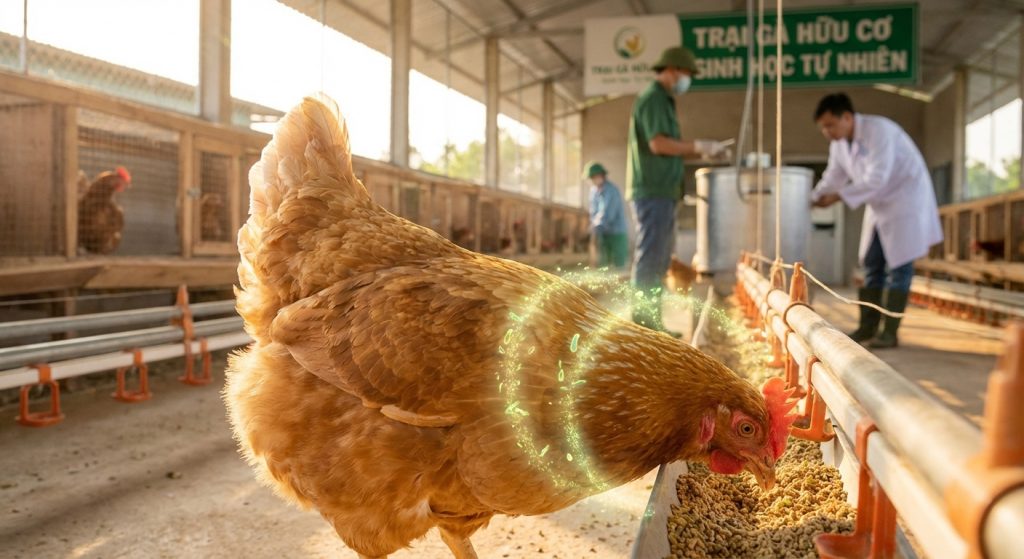
The health of poultry is crucial for food production. It directly impacts food safety and economic viability. Antibiotics have long been a staple in poultry farming. They prevent disease and promote growth. However, their overuse leads to antibiotic resistance. This is a global health crisis. Therefore, finding alternatives is essential. The poultry microbiome offers a promising solution. Understanding and managing it can reduce antibiotic reliance.
What is the Poultry Microbiome?
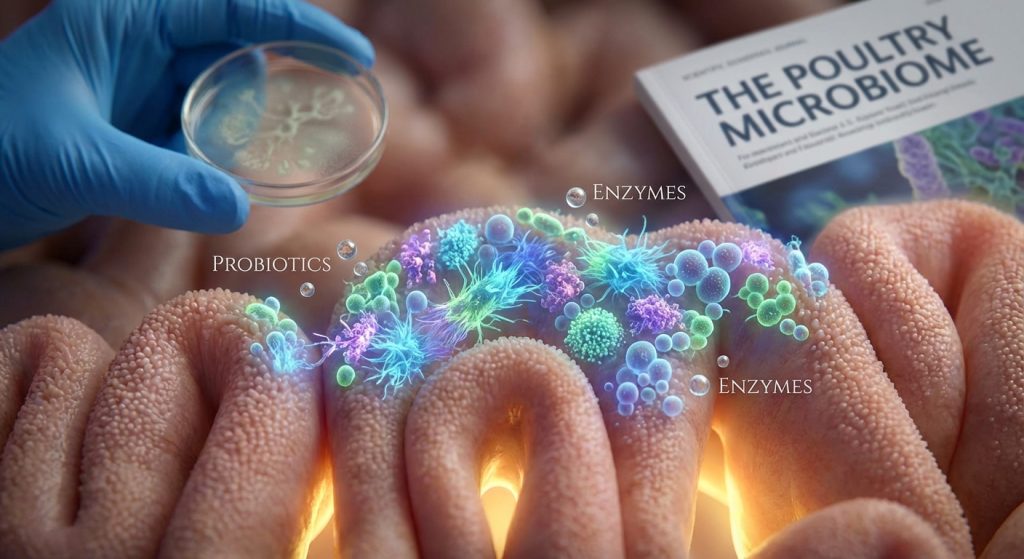
The poultry microbiome refers to the vast community of microorganisms. These include bacteria, fungi, viruses, and archaea. They live on and within poultry. This includes the gut, skin, and respiratory tract. The gut microbiome is particularly important. It plays a key role in digestion. It also influences immune function. A balanced microbiome is vital for bird health. An imbalanced one can lead to disease. It can also increase susceptibility to infections.
The Problem with Antibiotic Overuse
Antibiotics are powerful tools. They have saved countless lives. However, their widespread use in agriculture has consequences. In poultry farming, antibiotics are often used prophylactically. This means they are given to prevent illness. They are also used to boost growth rates. This practice contributes significantly to the rise of antibiotic-resistant bacteria. These “superbugs” are a major threat to human health. When resistant bacteria infect humans, common antibiotics may not work. This makes infections harder to treat. Furthermore, the overuse of antibiotics can disrupt the natural microbiome of the birds.
This disruption can make them more vulnerable to other pathogens. It creates a cycle where more antibiotics are needed. This is a dangerous feedback loop. It underscores the urgent need for sustainable alternatives. The World Health Organization has highlighted antibiotic resistance as one of the top global public health threats. Therefore, innovative approaches are critical for the future of food production and human health.
The Role of the Microbiome in Poultry Health
The gut microbiome is a complex ecosystem. It performs many vital functions for poultry. Firstly, it aids in the digestion of feed. Microbes break down complex carbohydrates. This makes nutrients more available to the bird. Secondly, a healthy microbiome acts as a barrier. It prevents harmful pathogens from colonizing the gut. This is achieved through several mechanisms. Beneficial bacteria compete with pathogens for resources. They also produce antimicrobial substances. Thirdly, the gut microbiome plays a crucial role in developing the bird’s immune system. It helps train the immune cells. This makes the bird better equipped to fight off diseases.
Moreover, a diverse and balanced microbiome can produce essential vitamins. These include B vitamins and vitamin K. These vitamins are vital for overall health. Therefore, fostering a healthy gut microbiome is a natural way to enhance poultry well-being. It also contributes to improved feed conversion ratios.
Strategies for Modulating the Poultry Microbiome
Several strategies can be employed to promote a healthy poultry microbiome. These aim to introduce beneficial microbes or create an environment where they thrive. Firstly, probiotics are a key tool. These are live microorganisms. They are administered to the birds. They are known to confer a health benefit. Examples include specific strains of Lactobacillus and Bifidobacterium. These can improve gut health. They can also inhibit the growth of pathogens.
Secondly, prebiotics are important. These are non-digestible food ingredients. They selectively stimulate the growth of beneficial bacteria. Common prebiotics include fructans and oligosaccharides. They act as a food source for good microbes. Thirdly, organic acids can be used. These can lower the pH in the digestive tract. This creates an unfavorable environment for many pathogenic bacteria. It also aids digestion. Fourthly, essential oils and plant extracts show promise. They have antimicrobial and anti-inflammatory properties. For example, oregano oil is known for its benefits.
Finally, improving farm hygiene is paramount. Clean water and feed sources are essential. Reducing stress on the birds also helps. Stress can negatively impact the microbiome. Therefore, a multi-faceted approach is most effective. These strategies aim to build a robust gut ecosystem. This naturally enhances the bird’s resistance to disease. This is a significant step towards reducing antibiotic use. You can learn more about related ecological concepts in our article on the hidden world of fungi, which also highlights the importance of microbial communities.
Probiotics: The Living Solution
Probiotics are live microorganisms. They provide health benefits when consumed. In poultry, they are often added to feed or water. Specific strains are selected for their efficacy. For instance, certain lactic acid bacteria can inhibit the growth of Salmonella and Clostridium perfringens. These are common poultry pathogens. Probiotics work by competing with pathogens. They also help strengthen the gut barrier. Furthermore, they can modulate the immune response. This leads to improved disease resistance. As a result, birds may require fewer antibiotics.
The use of probiotics is a sustainable practice. It supports animal welfare. It also contributes to safer food products. This is because it reduces the reliance on antimicrobial drugs. The selection of appropriate probiotic strains is crucial. It depends on the target pathogens and the specific needs of the flock. Therefore, consulting with poultry health experts is recommended.
Prebiotics: Fueling the Good Guys
Prebiotics are non-digestible fibers. They serve as food for beneficial gut bacteria. This selective feeding promotes the growth of good microbes. It helps to outcompete harmful bacteria. Common prebiotics include inulin and fructooligosaccharides (FOS). When these are consumed, they reach the lower gut. There, they are fermented by beneficial bacteria. This fermentation produces short-chain fatty acids (SCFAs). SCFAs are beneficial for the gut lining. They provide energy to the intestinal cells. They also help maintain a healthy gut pH.
By promoting a thriving population of beneficial microbes, prebiotics indirectly reduce the need for antibiotics. They create a gut environment that is naturally resistant to pathogen invasion. This is a key aspect of preventative health in poultry. It aligns with the principles of reducing chemical interventions.
Organic Acids and Essential Oils
Organic acids, such as formic acid and propionic acid, are effective in poultry feed. They can lower the pH of the feed and the bird’s digestive tract. This acidity inhibits the growth of many undesirable bacteria. It also aids in nutrient digestion. For example, formic acid can help control Salmonella. It is a natural antimicrobial. Therefore, it serves as a safe alternative to antibiotics.
Essential oils are plant-derived compounds. They possess antimicrobial, antioxidant, and anti-inflammatory properties. For example, thymol and carvacrol, found in oregano oil, are potent antimicrobials. They can disrupt bacterial cell membranes. This makes them effective against a range of pathogens. They can also improve feed intake and nutrient utilization. Thus, these natural compounds offer a dual benefit. They enhance bird health and reduce the need for antibiotics.
Enhancing Farm Management for Microbiome Health
Beyond dietary interventions, farm management practices are critical. Good biosecurity measures are essential. This includes strict hygiene protocols for personnel and equipment. It also involves controlling access to the farm. Preventing the introduction of pathogens is the first line of defense. Furthermore, managing litter quality is important. Dry, well-maintained litter reduces ammonia levels. It also minimizes the growth of harmful bacteria. Poor litter conditions can stress birds. This can negatively impact their gut microbiome.
Reducing stress in poultry is also crucial. Factors like overcrowding, extreme temperatures, and transport can be stressful. Stress can compromise the immune system. It can also disrupt the gut microbiome. Therefore, providing a comfortable and stimulating environment is beneficial. This holistic approach to farm management supports a healthy microbiome. It also contributes to overall flock health. This, in turn, reduces the reliance on antibiotics. For broader implications of animal health and human well-being, consider our article on the “One Health” approach.
The Future of Antibiotic Reduction in Vietnam
Vietnam’s poultry industry is significant. Reducing antibiotic use is a priority. This aligns with global efforts to combat antibiotic resistance. The Vietnamese government and industry stakeholders are increasingly aware of this challenge. Promoting the adoption of microbiome-focused strategies is key. This requires education and training for farmers. It also involves research and development of effective alternatives. Collaboration between researchers, veterinarians, and farmers is vital.
Investing in research on local poultry gut microbiomes can identify region-specific solutions. Furthermore, policy support is necessary. Incentives for adopting antibiotic-free farming practices can accelerate the transition. The goal is to create a sustainable poultry sector. This sector should prioritize animal health and food safety. It should also safeguard public health from antimicrobial resistance. This shift is not just beneficial; it is essential for long-term food security and public health.
Frequently Asked Questions (FAQ)
What are the main benefits of a healthy poultry microbiome?
A healthy poultry microbiome improves digestion, enhances immune function, and provides a natural defense against pathogens. This leads to healthier birds, better feed conversion, and reduced susceptibility to diseases, thereby decreasing the need for antibiotics.
Can probiotics completely replace antibiotics in poultry farming?
While probiotics are highly effective in improving gut health and reducing disease incidence, they may not completely replace antibiotics in all situations. However, they significantly reduce the need for antibiotic use, especially when combined with good farm management practices and other natural alternatives.
How do prebiotics differ from probiotics?
Probiotics are live beneficial microorganisms themselves, whereas prebiotics are non-digestible fibers that serve as food for these beneficial microorganisms, selectively promoting their growth in the gut.
Are there any risks associated with using natural alternatives to antibiotics in poultry?
When used correctly and sourced from reputable suppliers, natural alternatives like probiotics, prebiotics, and essential oils are generally safe for poultry. However, improper dosages or the use of contaminated products could pose risks. It is always advisable to consult with veterinary professionals.
How can Vietnamese farmers implement these microbiome-focused strategies?
Vietnamese farmers can start by incorporating probiotics and prebiotics into their feed. They can also focus on improving farm hygiene and reducing bird stress. Educational programs and access to expert advice are crucial for successful implementation.
Conclusion
The microbiome of poultry presents a powerful avenue for reducing antibiotic use in Vietnamese farms. By understanding and nurturing these microbial communities, producers can enhance bird health naturally. Strategies like probiotics, prebiotics, organic acids, and improved farm management offer sustainable alternatives. This shift is crucial for combating antibiotic resistance. It also ensures the production of safe, healthy poultry products. Embracing these microbiome-focused approaches is a vital step towards a more sustainable and resilient poultry industry in Vietnam and globally. The long-term benefits for animal welfare, food safety, and public health are substantial.