
The Hidden Network: From Animal Health to the Wood Wide Web
Published on February 7, 2026 by Admin
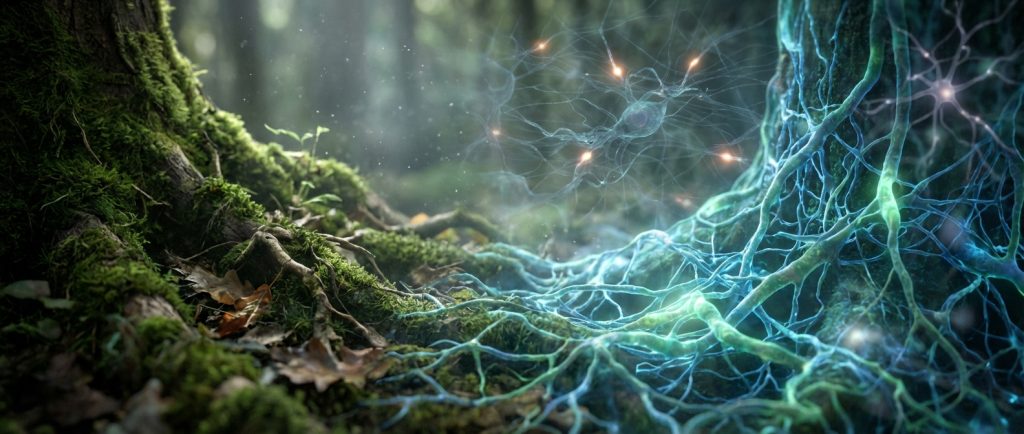
For decades, our focus on health has largely centered on animals and humans. We’ve explored their diseases, their well-being, and their intricate biological systems. However, a parallel and equally vital world exists beneath our feet. This is the realm of plants, and it’s far more interconnected than we once imagined. The transition from understanding animal health to appreciating plant health is a journey into the “Wood Wide Web.” This hidden network is crucial for ecosystem survival. It reveals a profound interconnectedness that impacts all life on Earth.
This article explores this fascinating shift in perspective. We will delve into how understanding animal health has paved the way for new insights into plant life. Furthermore, we will uncover the secrets of the underground fungal networks. These networks are essential for forest health. They are also vital for the planet’s overall ecological balance.
Bridging the Health Divide: Animals and Plants
Our scientific journey began with observable health issues in animals. We studied pathogens, nutrition, and genetics. This research provided a foundation for understanding biological systems. For instance, understanding how to extend pet lives involved deep dives into cellular health and disease prevention. Similarly, advancements in veterinary medicine, from advanced surgical techniques to understanding animal orthopedics, have broadened our knowledge of biological resilience.
This knowledge is not isolated. The principles of disease resistance, nutrient uptake, and communication within animal bodies have analogies in the plant kingdom. For example, the study of poultry microbiomes highlights the importance of microbial communities for health. This directly parallels the roles of microbes in plant soil health.
The Microbial Connection
Microbes are everywhere. They are vital for both animal and plant life. In animals, the gut microbiome influences digestion, immunity, and even mood. For instance, research into how gut bacteria dictate physical and mental immunity shows this link. In plants, soil microbes perform similar critical functions. They help with nutrient absorption and disease protection.
Furthermore, the concept of “One Health” recognizes the interconnectedness of human, animal, and environmental health. This holistic approach is essential. It acknowledges that a threat to one affects the others. This perspective naturally extends to understanding the health of entire ecosystems. Therefore, plant health becomes a critical component of this larger system.
The “Wood Wide Web”: An Underground Network
Beneath the forest floor lies a vast, intricate network. This network is composed of fungal hyphae. These are the thread-like structures of fungi. They connect tree roots. This system is often called the “Wood Wide Web.” It’s analogous to the internet, but for plants.
This network allows plants to communicate and share resources. It’s a prime example of symbiosis. Plants provide fungi with sugars produced during photosynthesis. In return, the fungi help plants absorb water and nutrients from the soil. This exchange is fundamental to forest health. It supports a diverse range of plant life.
Fungal Networks in Action
Mycorrhizal fungi are the key players. They form symbiotic relationships with over 90% of plant species. These fungi extend the reach of plant root systems. This allows plants to access resources they otherwise couldn’t. For example, they can tap into phosphorus and nitrogen reserves. This is especially true in nutrient-poor soils.
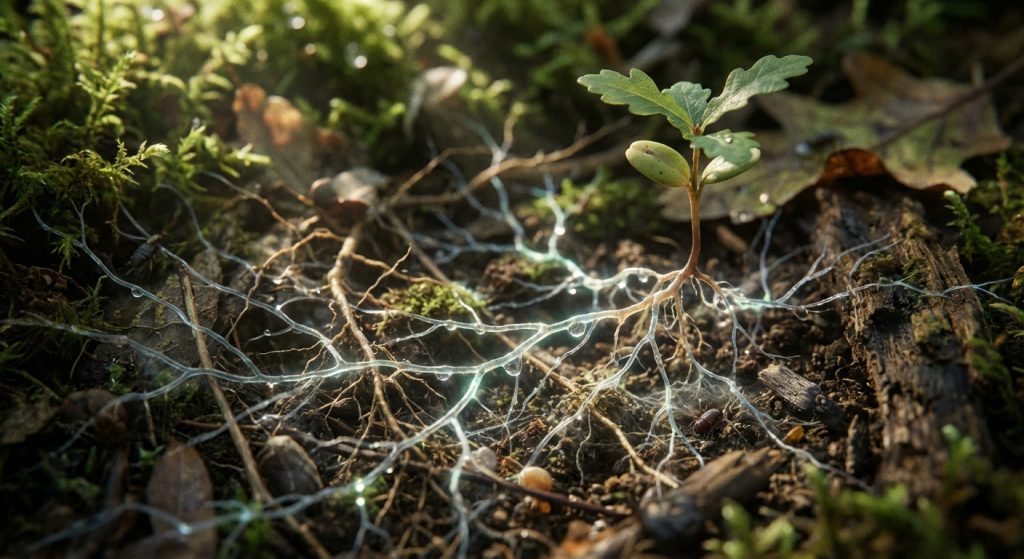
Moreover, these networks facilitate resource sharing between plants. A larger, older tree might share nutrients with a younger seedling. This can happen even if the seedling is a different species. This sharing is crucial for seedling survival. It helps establish a more resilient forest ecosystem. The concept of mycorrhizal networks is central to understanding this underground communication.
Plant Communication and Defense
The Wood Wide Web isn’t just about resource sharing. It’s also a communication channel. When a plant is attacked by pests or pathogens, it can send warning signals. These signals travel through the fungal network. Nearby plants can then prime their defenses. This preemptive strike helps them resist the threat.
For instance, if one tree is infested with insects, it releases chemical signals. These signals are transmitted via the mycorrhizae. Neighboring trees can detect these chemicals. Consequently, they begin producing defensive compounds. This coordinated defense is a remarkable example of collective survival. It showcases plant communication in action.
Defense Against Threats
This communication is vital for ecosystem stability. It helps plants respond to environmental stresses. These stresses can include drought, disease, or herbivory. The fungal network acts as an early warning system. It allows the plant community to react collectively. This resilience is crucial in a changing climate.
The health of these fungal networks is therefore paramount. Factors like soil disturbance, pollution, and certain agricultural practices can damage them. Protecting these networks is key to maintaining healthy forests and plant communities. This is why understanding soil microbes is so important.
Ecological Implications of the Wood Wide Web
The Wood Wide Web has profound implications for ecosystem health. Forests are not just collections of individual trees. They are complex, interconnected communities. The fungal network underpins this complexity. It influences biodiversity, nutrient cycling, and carbon sequestration.
Old-growth forests, in particular, rely heavily on these networks. They harbor vast and ancient fungal communities. These networks support a wide array of plant species. They also play a significant role in storing carbon. This makes them vital allies in combating climate change. Indeed, old-growth forests are carbon capture champions.
Biodiversity and Resilience
Biodiversity is directly supported by these underground connections. A healthy fungal network can support more diverse plant life. This, in turn, supports a wider range of animal species. It creates a more robust and resilient ecosystem. The loss of fungal diversity can have cascading negative effects.
Furthermore, these networks are crucial for forest regeneration. When trees die, the fungal network can help break down organic matter. It then recycles nutrients back into the soil. This makes these nutrients available for new plant growth. It’s a testament to nature’s efficient recycling system. This process is vital for the hidden world of fungi.
Conservation and Future Directions
Understanding the Wood Wide Web is changing how we approach conservation. It emphasizes the need to protect not just individual species, but entire ecosystems. This includes the hidden fungal networks. Practices that disrupt soil health, such as heavy tilling or excessive deforestation, must be re-evaluated.
Regenerative agriculture and sustainable forestry practices are gaining traction. These approaches aim to work with natural systems. They prioritize soil health and biodiversity. This includes fostering healthy mycorrhizal populations. For example, regenerative soil science focuses on nurturing these vital underground communities.
The Path Forward
Future research will likely explore these networks further. We may uncover even more sophisticated forms of plant communication. Understanding these processes could lead to new strategies for agriculture and ecosystem restoration. It could also revolutionize our understanding of plant intelligence.
The transition from focusing solely on animal health to embracing plant health and the Wood Wide Web is a significant one. It reveals a world of interconnectedness. This interconnectedness is essential for the health of our planet. It highlights that the health of the forest floor is as critical as the health of any single organism within it.
Frequently Asked Questions
What exactly is the “Wood Wide Web”?
The “Wood Wide Web” refers to the vast underground network of fungal hyphae that connects the roots of trees and other plants. This network allows plants to share resources, communicate, and defend themselves.
How do plants communicate through this network?
Plants communicate by releasing chemical signals through the fungal hyphae. These signals can warn other plants of danger, like pest infestations, or indicate resource availability.
What are the benefits of mycorrhizal fungi for plants?
Mycorrhizal fungi help plants absorb water and essential nutrients, such as phosphorus and nitrogen, from the soil. They also extend the plant’s root system, increasing its access to resources.
Can damage to the Wood Wide Web affect animal health?
Yes, indirectly. Damage to the fungal networks can lead to less healthy plant communities, reduced biodiversity, and a less resilient ecosystem. This can impact the food sources and habitats available for animals.
What are some practices that can harm the Wood Wide Web?
Practices like heavy soil tilling, deforestation, excessive use of chemical fertilizers and pesticides, and soil compaction can damage or destroy these delicate fungal networks.
How can we protect the Wood Wide Web?
Protecting the Wood Wide Web involves adopting practices that promote soil health, such as reduced tillage, organic farming methods, sustainable forestry, and avoiding soil compaction. Preserving old-growth forests is also crucial.
