
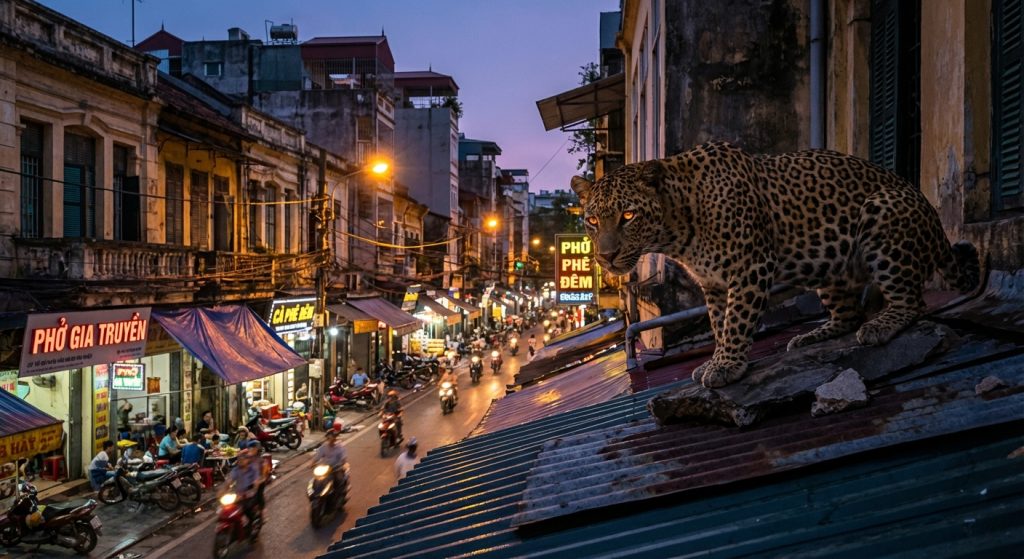
Cities are often seen as human domains. Yet, life finds a way, even in bustling metropolises. Hanoi is a prime example. This vibrant Vietnamese capital is a surprising haven for wildlife. Specifically, snakes and birds of prey have adapted remarkably. They survive and even flourish amidst the urban sprawl. This article explores how these creatures navigate Hanoi’s concrete jungle.
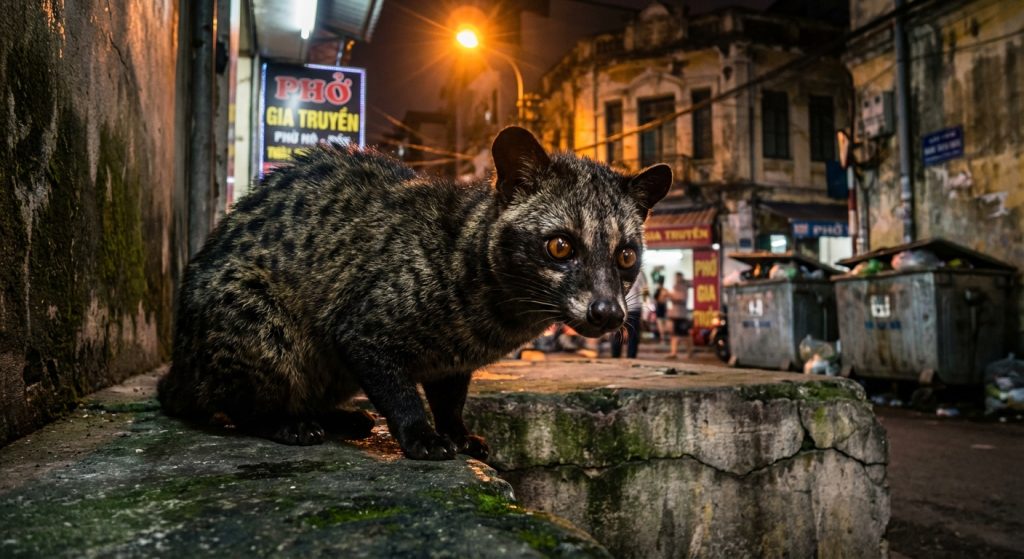
The Urban Ecosystem: A New Frontier
Urban environments present unique challenges. They offer different resources. They also pose distinct dangers. For snakes and birds of prey, Hanoi provides both opportunities and threats. Food sources are abundant. For instance, rodents are common in urban areas. They thrive near human settlements. This creates a reliable prey base for predators.
Buildings offer shelter. Tall structures mimic natural cliffs or trees. These provide nesting sites. They also offer vantage points for hunting. Furthermore, green spaces within the city, like parks and gardens, act as mini-ecosystems. These areas support insect and small mammal populations. Therefore, they become attractive hunting grounds.
Snakes in the City: Masters of Stealth
Hanoi is home to several snake species. Many are non-venomous. They have learned to live alongside humans. For example, the Common Bronzeback snake is often found. It prefers areas with trees and shrubs. It hunts lizards and frogs. These are also present in urban gardens.
Another common sight is the Oriental Rat Snake. As its name suggests, it preys on rodents. This makes it a valuable, albeit sometimes feared, resident. These snakes are adept at camouflage. They blend into the urban environment. They often inhabit less disturbed areas. These might include old walls or dense vegetation.
However, urban living isn’t without peril for snakes. Roads pose a significant danger. Many snakes are killed by vehicles. Habitat fragmentation is also an issue. This is where urban development breaks up natural habitats. It makes movement and finding mates more difficult. Nevertheless, their adaptability is key to their survival. They can exploit new niches. Thus, they persist.
Challenges for Urban Reptiles
Human fear is a major obstacle. Many people react with panic. They may kill snakes on sight. This is often due to a lack of education. Understanding snake behavior is crucial. Most urban snakes are not aggressive. They prefer to avoid humans. Education can foster coexistence. It can help people appreciate their role in pest control.
Moreover, pollution is a concern. Pesticides can harm snakes. They can also affect their prey. This can create a ripple effect. It impacts the entire food chain. Therefore, reducing urban pollution is vital. It benefits all urban wildlife.
Birds of Prey: Soaring Above the Streets
Birds of prey, like eagles and falcons, are also found in Hanoi. They utilize the city’s height. Buildings provide excellent perches. They offer clear views of potential prey. Common species include the Brahminy Kite and the Peregrine Falcon. These birds are highly adaptable hunters.
The Brahminy Kite is a scavenger and predator. It often feeds on fish and carrion. It can be seen soaring over rivers and lakes within the city. It also scavenges from food waste. This makes urban areas a convenient food source. They are often seen near markets and waterways.
Peregrine Falcons are known for their incredible speed. They hunt other birds. They can often be seen nesting on tall buildings. These structures mimic the cliffs they would use in natural habitats. Their hunting success rate is high in urban areas. This is because of the abundance of pigeons and other city birds.
Adaptations for Urban Flight
These birds have developed specific adaptations. They learn to navigate complex aerial environments. They must avoid power lines and aircraft. Their hunting strategies adapt to urban prey. For example, pigeons are fast flyers. Falcons have evolved to match their agility. This demonstrates remarkable evolutionary flexibility.
Furthermore, their eyesight is exceptionally keen. This allows them to spot prey from great heights. It helps them distinguish small movements amidst the city’s visual clutter. This skill is crucial for survival. It ensures they can find food reliably.
Food Sources and Hunting Strategies
The availability of food is paramount for urban predators. Snakes rely on rodents and small reptiles. Birds of prey hunt birds, small mammals, and sometimes fish. The urban environment offers a diverse, albeit sometimes unconventional, buffet.
- Rodents: Rats and mice are abundant. They are attracted to human food waste. This makes them a staple for many urban snakes.
- Insects and Amphibians: These are found in parks and gardens. They are a food source for smaller snakes and some birds.
- Pigeons and Other Urban Birds: These are primary prey for falcons. Their numbers are high in cities.
- Fish and Carrion: Brahminy Kites often feed on these. They are found near water bodies and waste disposal areas.
Hunting strategies evolve. Snakes use ambush tactics. They blend with their surroundings. Birds of prey use aerial dives. They also use perching and spotting techniques. They have learned to exploit human infrastructure. For instance, they may hunt near streetlights. Insects are attracted to the light. This makes them easy targets.
Conservation and Coexistence
The presence of these predators is a sign of a healthy ecosystem. It indicates a degree of ecological balance, even in a city. However, their survival is not guaranteed. Human activities pose the greatest threat. Habitat loss and fragmentation are significant problems. Pollution also plays a role. Understanding and appreciating these animals is key.
Educating the public is essential. Many people fear snakes. They may not understand the ecological benefits. Birds of prey are often seen as majestic. Yet, their urban habitats are fragile. Protecting green spaces is vital. These areas serve as critical refuges. They also act as corridors for movement. This helps maintain genetic diversity. It prevents populations from becoming isolated.
Efforts to reduce human-wildlife conflict are important. This includes safe disposal of waste. It also involves managing urban development thoughtfully. Creating wildlife-friendly urban planning can help. For example, incorporating green roofs and wildlife corridors. These measures can support biodiversity. They can ensure a future for urban predators.
The Ecological Role of Urban Predators
Predators play a crucial role. They help regulate prey populations. This prevents overpopulation of rodents. It also controls insect numbers. This is beneficial for human health. It reduces pest-related issues. For example, snakes help control rodent populations. This can reduce the spread of diseases. Birds of prey help manage bird populations. This can prevent damage to crops or infrastructure.
Their presence indicates a functioning ecosystem. It shows that nature can adapt. It can even thrive in human-dominated landscapes. Therefore, their continued presence in Hanoi is a positive sign. It highlights the resilience of nature. It also underscores our responsibility to protect it.
Frequently Asked Questions
Are there dangerous snakes in Hanoi?
While Hanoi has various snake species, most are non-venomous and pose little threat to humans. However, it’s always wise to maintain a safe distance and avoid direct contact with any wild snake. If you encounter one, especially in your home, contact local wildlife rescue or animal control services for safe removal.
What do urban birds of prey eat in Hanoi?
Urban birds of prey in Hanoi, such as Brahminy Kites and Peregrine Falcons, have adapted to city life. They primarily hunt pigeons, other small birds, rodents, and scavenge for food scraps. Brahminy Kites also often feed on fish found in urban waterways.
How can city dwellers help urban wildlife like snakes and birds of prey?
City dwellers can help by preserving green spaces, reducing pesticide use, properly disposing of waste to avoid attracting pests, and educating themselves and others about the importance of these animals. Creating wildlife-friendly gardens can also provide essential habitats and food sources.
Why is it important to have predators in an urban environment?
Predators help maintain ecological balance. They control populations of prey animals like rodents and insects. This can prevent pest-related problems and disease spread. Their presence is also an indicator of a healthier urban ecosystem.
Conclusion
Hanoi’s urban predators, snakes and birds of prey, are a testament to nature’s adaptability. They have found ways to survive and thrive amidst a dense urban landscape. Their continued presence highlights the interconnectedness of urban ecosystems. It also emphasizes the need for coexistence. By understanding their needs and challenges, we can help ensure their survival. This makes our cities richer and more biodiverse. Ultimately, it benefits both wildlife and city dwellers.
“`
