
3D Printing Revolutionizes Turtle Shell Repair in Vietnam
Published on February 7, 2026 by Admin
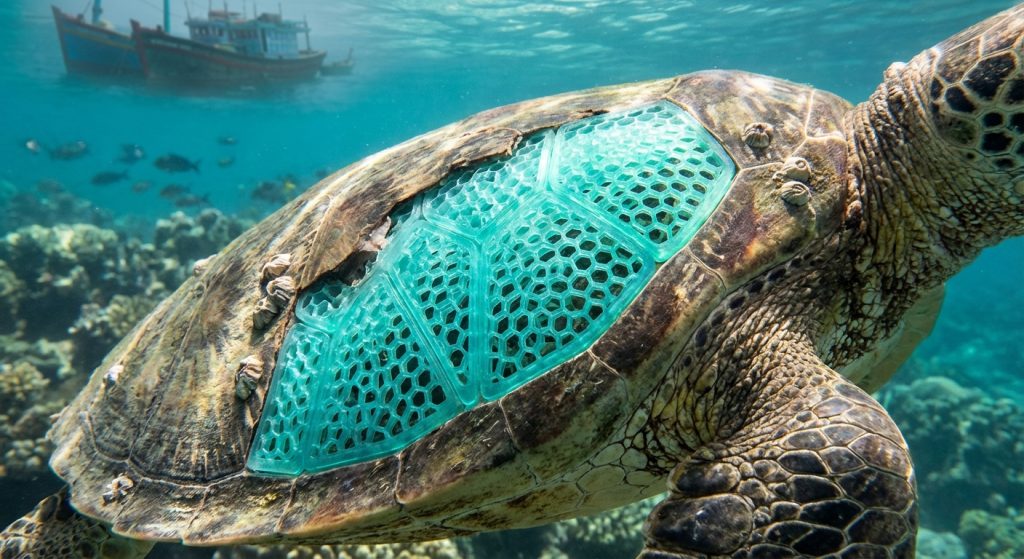
Wildlife rehabilitation faces many challenges. One critical area is treating injuries to turtles. Their shells are vital for protection. Damage to a shell can be life-threatening. Fortunately, new technologies offer hope. 3D printing is emerging as a powerful tool. This technology can create custom-fit prosthetics. These are used for repairing damaged turtle shells.
This innovation is particularly relevant in Vietnam. The country has diverse turtle populations. Many face threats from habitat loss and pollution. Injured turtles often need specialized care. 3D printing offers a precise and efficient solution. It allows for rapid creation of complex repairs. This can significantly improve survival rates.
The Critical Role of Turtle Shells
Turtle shells are more than just armor. They are an integral part of their skeletal system. The carapace (upper shell) and plastron (lower shell) are fused to the ribs and spine. This makes them incredibly strong. However, it also means injuries can be severe. Fractures, cracks, or missing shell sections can expose vital organs.
Consequently, shell damage leads to several risks. These include infection, dehydration, and immobility. It also makes them vulnerable to predators. Furthermore, a damaged shell hinders their ability to swim, thermoregulate, and forage. Therefore, effective repair is crucial for their survival in the wild.
Traditional Methods and Their Limitations
Historically, veterinarians have used various methods for shell repair. These often involved using materials like wire, mesh, or even dental acrylics. Sometimes, fiberglass patches were applied. However, these methods had drawbacks.
- Imperfect Fit: Creating a perfect fit for an irregular shell is difficult. This can lead to discomfort for the animal. It can also impede natural movement.
- Biocompatibility Issues: Some materials might not be ideal for long-term contact with living tissue. This could cause irritation or rejection.
- Time-Consuming: Manual shaping and fitting of materials can take a lot of time. This is a significant issue when dealing with critically ill animals.
- Limited Aesthetics and Functionality: Traditional repairs may not always restore full shell function or appearance.
These limitations highlight the need for more advanced solutions. This is where 3D printing steps in.
How 3D Printing Transforms Shell Repair
3D printing, also known as additive manufacturing, builds objects layer by layer. For turtle shell repair, this process is transformative. It begins with imaging the injured shell.
1. Advanced Imaging Techniques
Veterinarians use medical imaging. This includes CT scans or X-rays. These scans create a detailed 3D model of the turtle’s shell. They precisely map the extent of the damage. This digital model is the blueprint for the repair.
2. Designing the Prosthetic Shell
Specialized software is used to design the prosthetic. Designers can create a perfect replica of the missing or damaged shell section. They ensure it contours precisely to the turtle’s anatomy. This meticulous design process is key to a successful outcome. The goal is to restore both structural integrity and full functionality. It also aims to minimize any discomfort for the animal.
3. Material Selection
The choice of printing material is critical. It must be biocompatible, durable, and lightweight. Commonly used materials include medical-grade resins or biocompatible polymers. These materials can withstand the marine or freshwater environment. They also allow for integration with the turtle’s living tissue. Some research explores using bio-inks for even greater integration.
4. The 3D Printing Process
Once the design is finalized, the 3D printer gets to work. It meticulously builds the prosthetic shell piece by piece. This additive process allows for intricate shapes. It can create complex geometries that mimic natural shell structures. The printing time can vary. However, it is often much faster than traditional methods. This speed is vital in emergency rehabilitation cases.
5. Application and Integration
After printing, the prosthetic piece is cleaned and sterilized. It is then carefully attached to the turtle’s shell. Veterinarians use medical-grade adhesives or surgical techniques. The aim is for seamless integration. This ensures the turtle can move and behave naturally. Over time, the living shell tissue may even grow around the prosthetic. This further secures the repair.
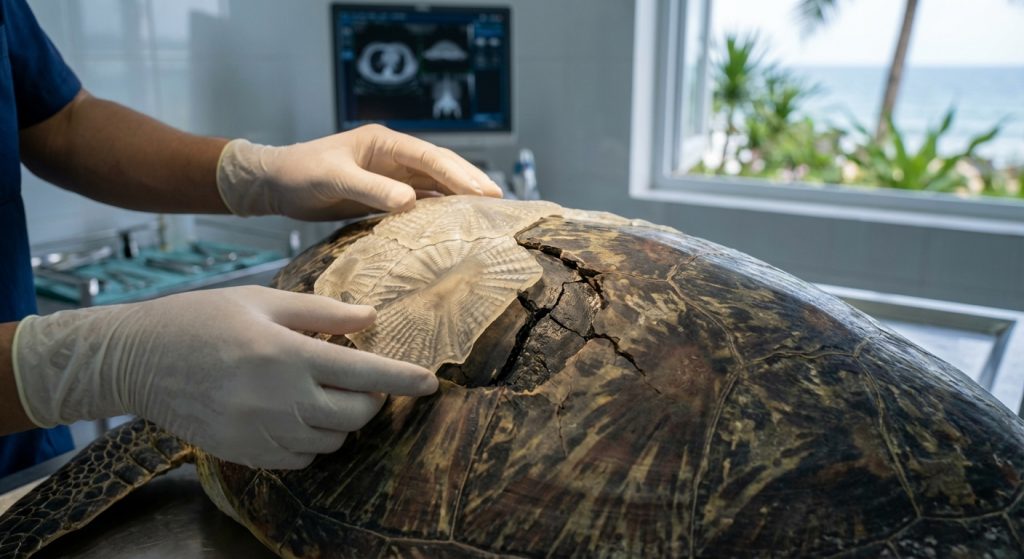
Benefits of 3D Printing in Wildlife Rehabilitation
The advantages of using 3D printing are numerous. They directly impact the success of wildlife rehabilitation efforts.
- Customization: Each turtle is unique. 3D printing allows for tailor-made repairs. This ensures an optimal fit and function for every individual.
- Precision: The accuracy of 3D printing is unparalleled. It can replicate intricate shell patterns and contours. This leads to more effective and less invasive repairs.
- Speed and Efficiency: Custom prosthetics can be designed and printed relatively quickly. This reduces the time animals spend in care. It also allows for faster return to their natural habitat.
- Biocompatibility: Modern 3D printing materials are safe for animals. They are designed for long-term implantation. This minimizes the risk of adverse reactions.
- Cost-Effectiveness: While initial setup costs exist, 3D printing can be more cost-effective in the long run. It reduces the need for specialized manual labor and expensive custom fabrication.
- Reduced Stress for Animals: A well-fitting prosthetic means less discomfort. This can significantly reduce stress for the injured animal. This is crucial for their recovery.
These benefits collectively enhance the quality of care provided to injured turtles.
3D Printing in Vietnam: A Growing Field
Vietnam is increasingly embracing technological advancements. This includes in wildlife conservation and veterinary medicine. The application of 3D printing for turtle shell repair aligns with this trend. It showcases how innovation can address local conservation needs.
Several factors make Vietnam an ideal location for this technology. The country is a biodiversity hotspot. It is home to many turtle species. Unfortunately, many are endangered or threatened. Therefore, effective rehabilitation is vital for their survival. Furthermore, Vietnam is developing its technological infrastructure. This makes advanced tools like 3D printers more accessible.
This technology can also be integrated with other conservation efforts. For instance, understanding animal psychology is crucial for successful rehabilitation. It helps in understanding their stress levels and needs. Moreover, advancements in veterinary imaging and surgery are also crucial. These complement the capabilities of 3D printing. The goal is a holistic approach to wildlife care.
Challenges and Future Prospects
Despite its promise, 3D printing for turtle shell repair is not without challenges. Access to advanced imaging equipment can be limited in some areas. The specialized software and skilled personnel required are also factors. Furthermore, the long-term effects of different materials need continued research.
However, the future looks bright. As 3D printing technology becomes more affordable and accessible, its adoption will grow. Continued research into new biocompatible materials will further enhance its effectiveness. Collaboration between veterinarians, engineers, and conservationists is key. This will drive innovation and expand the application of this technology.
Looking ahead, 3D printing could be used for other wildlife applications. This might include creating custom prosthetics for birds with broken wings or mammals with limb deformities. The potential for using this technology in animal prosthetics is vast. It offers a glimmer of hope for countless injured animals.
Frequently Asked Questions (FAQ)
What types of turtle shell injuries can be treated with 3D printing?
3D printing is most effective for repairing fractures, cracks, and missing sections of the carapace and plastron. It can also be used for creating custom splints or supports for more complex injuries.
Are the 3D-printed materials safe for turtles?
Yes, veterinary-grade biocompatible materials are used. These are specifically chosen to be safe for long-term contact with animal tissues and to prevent adverse reactions.
How long does it take to print a turtle shell prosthetic?
The printing time can vary depending on the complexity of the design and the printer used. However, it is generally much faster than traditional manual fabrication methods, often taking a few hours to a day.
Can 3D printing help turtles return to the wild faster?
Yes, by providing precise and functional repairs more quickly, 3D printing can help reduce the rehabilitation time. This allows injured turtles to be released back into their natural habitats sooner.
What is the role of veterinarians in this process?
Veterinarians are essential. They diagnose the injury, perform imaging, design the prosthetic in collaboration with engineers, and perform the surgical application and aftercare. Their expertise ensures the animal’s well-being throughout the process.
Conclusion
3D printing represents a significant leap forward in wildlife rehabilitation. For injured turtles, it offers a path to recovery that was previously unimaginable. By providing custom-fit, durable, and biocompatible shell repairs, this technology enhances survival rates. It also contributes to the long-term health and well-being of these ancient creatures.
As Vietnam and other regions embrace this innovative approach, more turtles will receive the critical care they need. This technology underscores the power of interdisciplinary collaboration. It also highlights the potential of advanced manufacturing to support vital conservation efforts. Ultimately, it helps ensure the survival of these important species for generations to come.
