
Designing the Future Market: Zoonotic Safety First
Published on February 7, 2026 by Admin
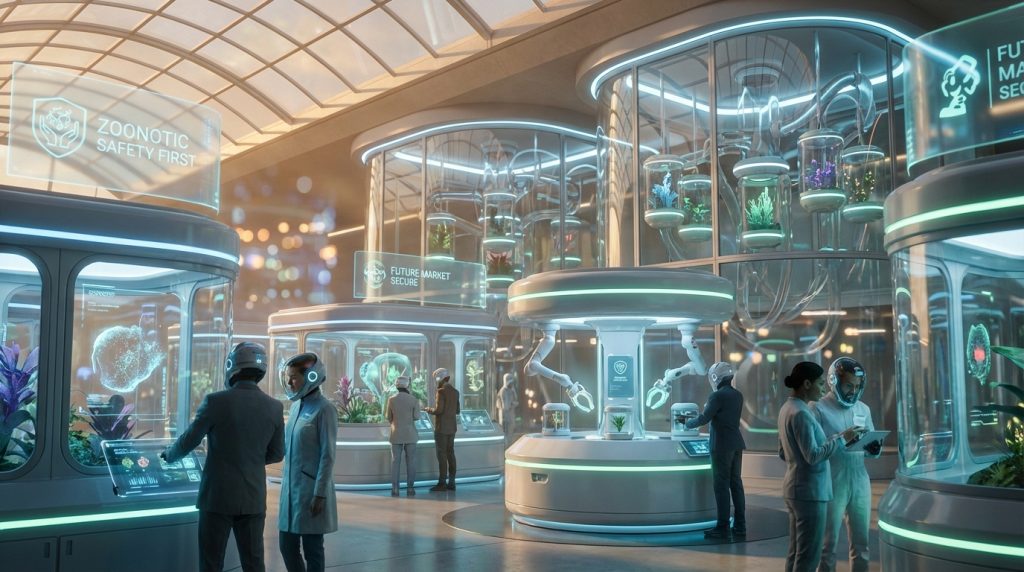
Wet markets are vital hubs for communities. They offer fresh produce and cultural experiences. However, they also present unique public health challenges. Specifically, the risk of zoonotic disease transmission is a major concern. These diseases jump from animals to humans. Therefore, rethinking market design is crucial. We need to create “Markets of the Future.” These markets must prioritize safety. They also need to remain vibrant community spaces. This article explores how to achieve this balance.
The Zoonotic Threat in Wet Markets
Zoonotic diseases have a significant global impact. Many of these diseases originate in animal populations. Wet markets, with their close proximity of live animals, humans, and diverse species, can be hotspots for spillover events. This happens when pathogens spread from animals to people. For example, viruses like influenza and coronaviruses have historically been linked to such environments. The close contact between animals, often from various sources, increases the likelihood of pathogen transmission. Furthermore, inadequate sanitation and waste management can exacerbate these risks. Therefore, understanding these risks is the first step towards mitigation.
The density of people and animals in traditional wet markets creates a perfect storm. It allows for rapid spread. Pathogens can easily transfer through direct contact. They can also spread via contaminated surfaces or aerosols. This poses a direct threat to public health. It can lead to localized outbreaks and even global pandemics. Consequently, investing in safer market infrastructure is essential. This is not just about disease prevention. It is also about economic stability and community well-being.

Key Challenges of Current Wet Markets
Current wet market designs often lack features that would enhance safety. These challenges include:
- Poor Ventilation: Limited airflow can concentrate airborne pathogens.
- Inadequate Sanitation: Frequent cleaning and waste disposal are often overlooked.
- Close Proximity of Species: Live animals, including poultry and seafood, are often housed near other food items and consumers.
- Cross-Contamination Risks: Shared tools and surfaces can easily spread germs.
- Lack of Segregation: Different types of vendors and products are not always separated effectively.
These issues create an environment where diseases can thrive. Moreover, the rapid turnover of goods and people makes traceability difficult. This hinders effective response during an outbreak. Therefore, a comprehensive redesign is needed.
Designing the “Market of the Future”: Principles and Innovations
The “Market of the Future” must integrate public health principles into its very design. This requires a multi-faceted approach. It involves innovative architectural solutions and operational strategies. The goal is to minimize zoonotic risks while maintaining the market’s social and economic functions.
Enhanced Ventilation and Airflow
Superior ventilation is paramount. Modern markets should feature open-air designs where possible. Alternatively, advanced mechanical ventilation systems can be installed. These systems should ensure a constant flow of fresh air. They should also filter outgoing air. This helps remove airborne pathogens. Therefore, designing with airflow in mind is a critical first step. It creates a safer breathing environment for everyone.
Improved Sanitation and Waste Management
Robust sanitation infrastructure is non-negotiable. This includes easily cleanable surfaces. It also requires accessible handwashing stations. Furthermore, efficient waste disposal systems are vital. These systems should segregate waste streams. They must prevent contamination of food and water. Regular deep cleaning protocols should be standard. As a result, hygiene becomes a core operational principle.
Species Segregation and Zoning
A key innovation is the physical separation of different market zones. Live animal vendors should be in dedicated areas. These areas must be separate from produce and other food stalls. Ideally, these live animal sections should have independent ventilation. They should also have dedicated waste disposal. This segregation significantly reduces cross-contamination risks. It limits direct contact between potentially infectious animals and consumers. Thus, a well-zoned market is a safer market.
Water Management and Drainage
Effective water management is crucial for hygiene. Markets need proper drainage systems. These systems must prevent water pooling. They should also channel wastewater away efficiently. Water sources must be protected from contamination. This ensures safe water for cleaning and consumption. Therefore, integrated plumbing and drainage are essential design elements.
Technology Integration
Modern technology can play a significant role. Smart sensors can monitor air quality and temperature. They can also track foot traffic. This data can inform operational adjustments. For instance, high foot traffic areas might require enhanced cleaning. AI can also assist in disease surveillance. It can analyze patterns for early detection. Machine learning for pathogen identification is a promising area. This technology can help predict and prevent outbreaks before they spread widely. Therefore, embracing technological advancements is key to building a resilient market.
Materials and Construction
The choice of building materials matters. Non-porous, antimicrobial surfaces are ideal. These materials are easier to clean. They also resist bacterial growth. Durable construction ensures longevity. It also supports frequent cleaning and maintenance. Hence, material selection impacts long-term safety and usability.
Operational Strategies for Zoonotic Prevention
Design alone is not enough. Effective operational strategies are equally important. These strategies ensure the “Market of the Future” functions safely.
Vendor Training and Education
All vendors must receive comprehensive training. This training should cover hygiene practices. It should also include zoonotic disease awareness. Vendors need to understand their role in preventing disease spread. Regular refresher courses are beneficial. Moreover, educating them on proper animal handling is vital. This knowledge empowers vendors to be active participants in safety.
Regular Health Monitoring
Implementing a system for monitoring the health of animals within the market is essential. This includes regular veterinary inspections. It also involves protocols for reporting sick animals. Prompt isolation and treatment of ill animals can prevent wider outbreaks. Therefore, a proactive health surveillance system is critical.
Consumer Education
Consumers also play a role in market safety. Clear signage and public awareness campaigns can educate shoppers. Information on safe food handling practices is important. Promoting hand hygiene is also key. Empowering consumers with knowledge fosters a shared responsibility for safety. As a result, everyone contributes to a healthier environment.
Supply Chain Transparency
Understanding where products come from is vital. Implementing transparent supply chains helps identify potential risks. Knowing the origin of live animals is particularly important. This allows for better tracking and control. Therefore, traceability in the supply chain enhances overall safety. It helps in managing potential contamination sources.
The Role of Urban Planners and Public Health Officials
Urban planners and public health officials are central to this transformation. They must collaborate to implement these changes. Their roles include:
- Policy Development: Creating regulations that mandate higher safety standards for markets.
- Zoning and Land Use: Designating appropriate locations for market development.
- Infrastructure Investment: Allocating funds for modern, safe market construction.
- Public Health Oversight: Ensuring ongoing compliance with safety protocols.
- Community Engagement: Working with vendors and residents to ensure buy-in and address concerns.
Their leadership is essential for driving the necessary changes. Furthermore, they must champion the “One Health” approach. This holistic perspective recognizes the interconnectedness of human, animal, and environmental health. The “One Health” approach is fundamental to preventing future pandemics.
Case Studies and Future Outlook
Several cities are already exploring innovative market designs. These initiatives offer valuable lessons. For instance, some markets are adopting modular designs. Others are implementing advanced waste-to-energy systems. The ongoing advancements in AI and biosensing technology offer further potential. We might see markets with real-time pathogen detection. We could also see automated hygiene monitoring systems. The vision is for markets to be safe, vibrant, and resilient. They will continue to serve as essential community spaces. They will do so without compromising public health. Ultimately, the “Market of the Future” is an investment in community well-being and global health security.
Frequently Asked Questions
What is a zoonotic disease?
A zoonotic disease is an illness that spreads from animals to humans. Many infectious diseases, like COVID-19 and influenza, are zoonotic.
Why are wet markets considered high-risk for zoonotic diseases?
Wet markets often involve close contact between various live animal species, humans, and different food products. This close proximity, coupled with potential sanitation challenges, increases the risk of pathogens jumping from animals to people.
What are the key design principles for a safer market?
Key principles include enhanced ventilation, robust sanitation systems, proper waste management, segregation of species, and the use of hygienic materials. Technology integration also plays a vital role.
How can operational strategies improve market safety?
Operational strategies involve vendor training on hygiene, regular health monitoring of animals, consumer education on safe practices, and ensuring supply chain transparency.
What is the “One Health” approach?
“One Health” is a collaborative, holistic approach that recognizes the interconnectedness of the health of people, animals, and the environment. It is crucial for preventing and responding to global health threats like zoonotic diseases.
Conclusion
Transforming traditional wet markets into “Markets of the Future” is a necessary step. It requires a commitment to innovative design and robust operational strategies. By prioritizing public health and safety, we can create vibrant economic centers. These centers will also serve as secure spaces for communities. This proactive approach is vital for preventing future zoonotic disease outbreaks. It is an investment in a healthier future for everyone. The time to act is now.
