
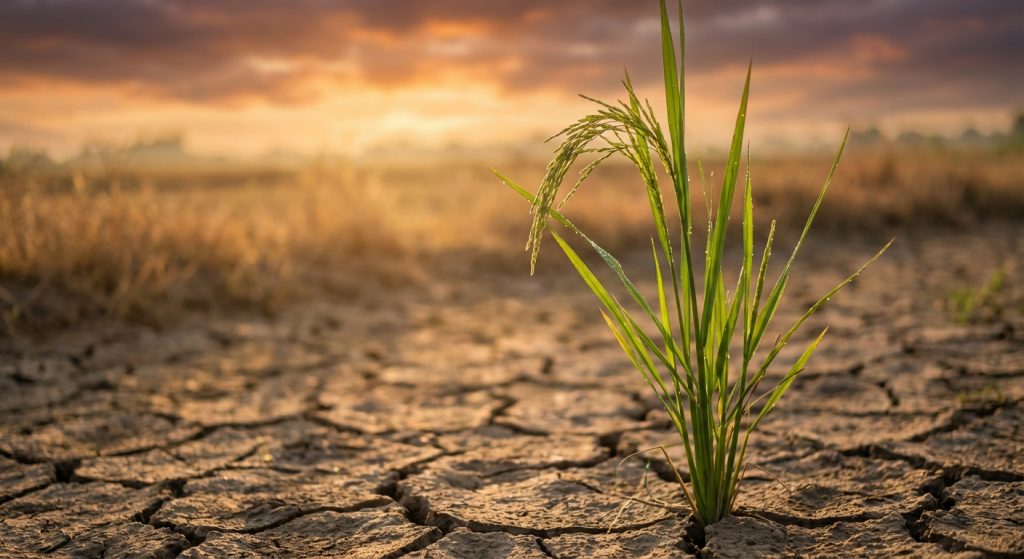
The Mekong Delta faces a growing threat. Salinity intrusion is a major challenge. This impacts rice cultivation significantly. Farmers need new solutions. Genetic engineering offers hope. It can create drought-resistant rice varieties. These crops are vital for the region’s future.
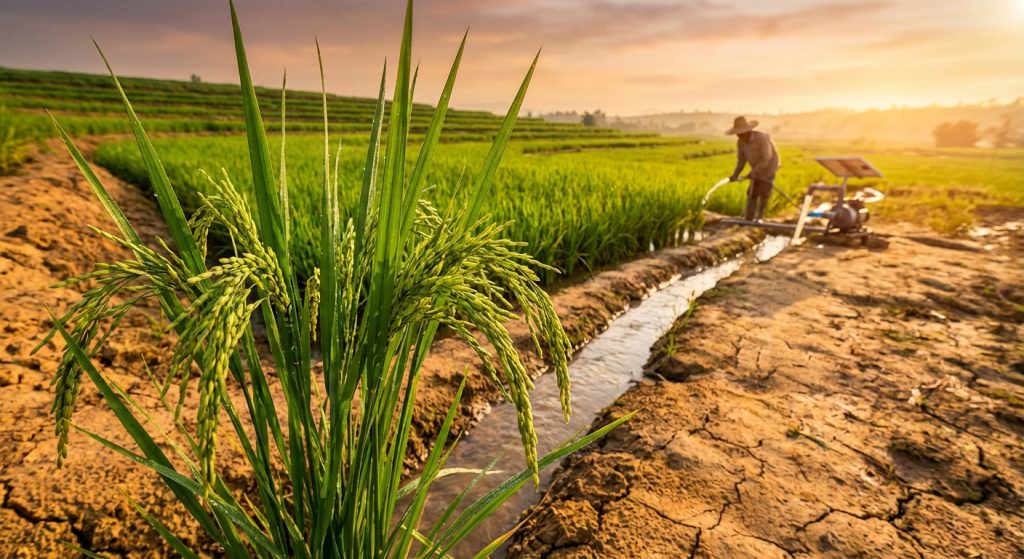
The Salinity Crisis in the Mekong Delta
The Mekong Delta is Vietnam’s rice bowl. It is also highly vulnerable. Rising sea levels worsen salinity. Saltwater intrudes further inland. This contaminates freshwater sources. It harms crops that need fresh water. Rice, a staple crop, is particularly sensitive. High salt levels stunt growth. They reduce grain yield. Ultimately, they can lead to crop failure. This threatens food security for millions. It also impacts the livelihoods of many farmers.
Why Rice is So Sensitive
Rice plants have specific needs. They thrive in freshwater environments. Their roots are sensitive to salt. Salt damages root cells. This hinders water and nutrient uptake. Consequently, the plant weakens. It cannot photosynthesize effectively. Yields drop dramatically. Some varieties are more tolerant than others. However, current varieties struggle with severe salinity. This necessitates a new approach to breeding.
Genetic Engineering: A Powerful Tool
Traditional breeding takes time. It can be slow to develop new varieties. Genetic engineering offers a faster path. Scientists can introduce specific genes. These genes enhance salt tolerance. They can also improve drought resistance. This technology allows for targeted improvements. It can create crops better suited to harsh conditions. For the Mekong Delta, this means developing rice that can withstand higher salt concentrations.
How Genes Enhance Resilience
Several genes contribute to salt tolerance. Some genes help plants manage sodium ions. They can pump excess salt out of cells. Others help maintain cellular functions. They protect against osmotic stress. Drought resistance often involves genes that improve water use efficiency. They can also enhance root development. This allows plants to access water deeper in the soil. Therefore, combining these traits is crucial.
Developing Salt-Tolerant Rice Varieties
Researchers are actively working on this. They identify genes from salt-tolerant plants. These genes are then introduced into rice. Techniques like CRISPR-Cas9 are valuable. They allow for precise gene editing. This speeds up the development process. The goal is to create rice that can grow and yield well. This is even in areas with significant salinity. Several promising lines are already under development. Field trials are essential to confirm their performance.
Challenges in Genetic Modification
While promising, genetic modification has challenges. Public perception is one. Some consumers worry about GMOs. Clear communication and education are vital. Regulatory hurdles also exist. Ensuring safety and efficacy is paramount. Furthermore, field trials must be extensive. They need to assess performance across different environments. The goal is not just survival. It is also economic viability for farmers.
Benefits for Farmers and the Region
Drought-resistant and salt-tolerant rice offers many benefits. Firstly, it ensures stable yields. Farmers can continue growing rice. Their income will be more secure. Secondly, it reduces reliance on freshwater. This is crucial in water-scarce regions. Thirdly, it can help reclaim degraded land. Land previously unsuitable for rice can become productive. This increases overall agricultural output. It contributes to regional food security.
Economic and Social Impact
Stable rice production supports the local economy. It provides jobs. It ensures a consistent food supply. This reduces the need for expensive imports. Furthermore, it can empower farming communities. They gain access to more resilient crops. This builds their capacity to adapt. It fosters a more sustainable agricultural system. The long-term economic stability of the Mekong Delta depends on such innovations.
The Role of Geneticists and Farmers
Collaboration is key. Geneticists develop the new varieties. They need input from farmers. Farmers understand local conditions best. They know the soil types. They understand water management practices. This feedback loop is essential. It ensures that the developed varieties meet real-world needs. Farmers can also participate in field trials. Their insights are invaluable for refinement.
Bridging the Gap
Effective communication bridges the gap. Geneticists must explain the science clearly. Farmers need to understand the benefits. Extension services play a vital role. They can disseminate information. They can provide training on new cultivation methods. Therefore, both groups must work together closely. This ensures successful adoption and widespread impact.
Future Outlook and Conclusion
The development of drought-resistant rice is ongoing. It is a critical step. It addresses the challenges of climate change. It helps secure the future of agriculture. The Mekong Delta can remain a thriving agricultural hub. This is possible with continued research. It also requires effective implementation. Genetic engineering offers a powerful solution. It provides a pathway to resilience. It is a beacon of hope for farmers.
Frequently Asked Questions
What is salinity intrusion?
Salinity intrusion occurs when saltwater from the ocean moves into freshwater areas. This is often caused by rising sea levels or reduced freshwater flow. It contaminates rivers, groundwater, and agricultural land.
How does salt affect rice plants?
Salt damages rice plants by disrupting their water and nutrient uptake. It can also interfere with essential metabolic processes. This leads to stunted growth, reduced yields, and potentially plant death.
What is genetic engineering in agriculture?
Genetic engineering involves modifying an organism’s genes. In agriculture, it allows scientists to introduce traits like drought or salt tolerance into crops. This can be done by transferring genes from other species or by editing existing genes.
Are GMO crops safe to eat?
Major scientific and regulatory bodies worldwide have concluded that genetically modified (GM) crops are safe to eat. Extensive testing is conducted to ensure their safety. However, public debate and concerns persist.
How can farmers adapt to changing climate conditions?
Farmers can adapt by adopting new crop varieties. These include drought-tolerant or salt-tolerant crops. They can also implement water-saving irrigation techniques. Crop diversification and improved soil management are also beneficial strategies.
