
Vietnam’s Epiphytes: Vertical Rainforest Ecosystems
Published on February 8, 2026 by Admin
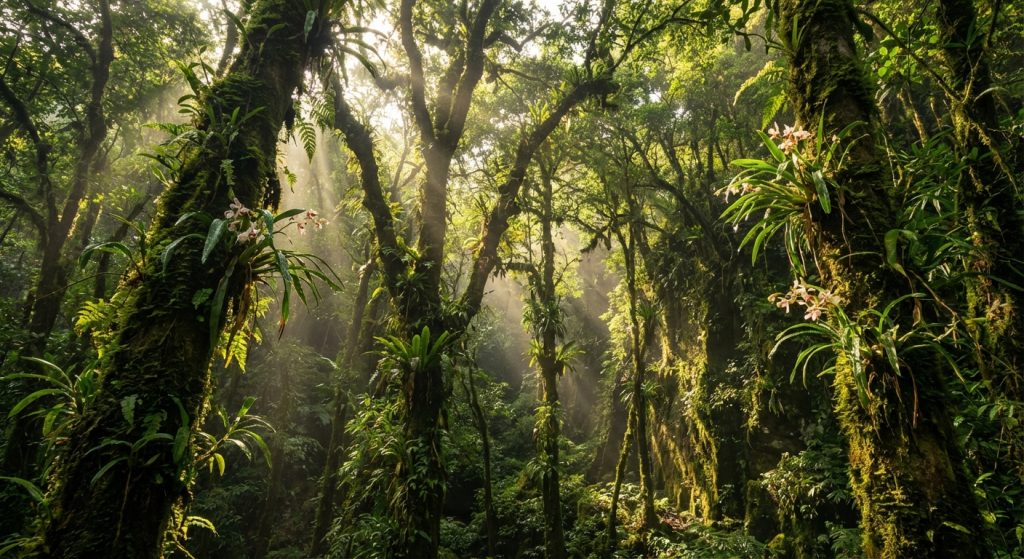
Vietnam’s rainforests are vibrant ecosystems. They teem with life from canopy to forest floor. Many plants, however, do not touch the soil. These are epiphytes. They grow on other plants. These plants are often trees. Epiphytes create unique micro-habitats. They are truly vertical ecosystems. This article explores their world.
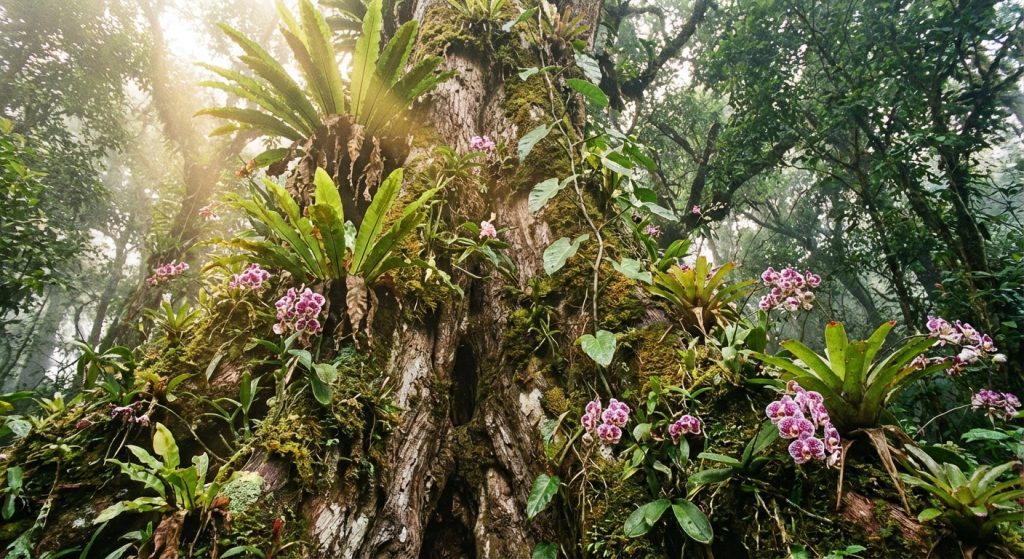
The Vertical World of Epiphytes
Epiphytes are plants that grow non-parasitically on other plants. They use their host for support. They do not take nutrients from the host. Instead, they absorb moisture and nutrients from the air and rain. Vietnam’s humid climate is ideal for them. Many species thrive here.
These plants are crucial. They add layers to the forest structure. They create living spaces. These spaces host other organisms. Insects, amphibians, and even small mammals live among them. Therefore, epiphytes support biodiversity.
Types of Epiphytes in Vietnam
Vietnam hosts a remarkable diversity of epiphytes. These include orchids, ferns, bromeliads, and mosses. Many are highly specialized. They have adapted to specific conditions.
Orchids: The Jewels of the Canopy
Vietnam is famous for its orchids. Many are epiphytic. They have aerial roots. These roots anchor them. They also absorb moisture. Their vibrant flowers attract pollinators. For example, the “phalaenopsis” genus is well-known. Many species are found in Vietnam.
Ferns: Ancient Survivors
Ferns are another common epiphyte. They often have fronds that catch rainwater. Their spores are dispersed by wind. Some ferns can grow quite large. They add significant biomass to tree canopies.
Bromeliads: Miniature Water Tanks
Bromeliads are also epiphytes. They have specialized leaves. These leaves form a cup. This cup collects water. It also traps debris. This debris decomposes. It provides nutrients for the plant. Many insects and amphibians live in these water tanks.
Mosses and Lichens: The Foundation
Mosses and lichens are often the first to colonize surfaces. They create a base for other epiphytes. They retain moisture. This is essential for smaller plants. They also contribute to soil formation.
Ecological Significance of Epiphytes
Epiphytes play a vital role. They are much more than just decorative plants. Their ecological contributions are significant. They are miniature ecosystems themselves.
Water Cycling and Retention
Epiphytes capture and hold rainwater. This helps regulate water flow. It releases water slowly. This is important for the surrounding environment. It prevents rapid runoff. It also maintains humidity levels.
Habitat Creation
They provide homes for many creatures. Small invertebrates thrive in the damp leaf litter. Frogs lay eggs in water-filled bromeliads. Birds build nests among their leaves. Therefore, they are vital for forest fauna.
Nutrient Cycling
Decomposing organic matter in epiphytic habitats adds nutrients. These nutrients can be reabsorbed by the host tree. They also enrich the surrounding soil when they fall. This process is crucial for forest health.
Biodiversity Hotspots
The sheer variety of epiphytes supports a wide array of life. Areas with high epiphyte diversity are often biodiversity hotspots. They are crucial for overall ecosystem resilience. This diversity is a hallmark of Vietnam’s rich natural heritage.
Challenges and Conservation
Despite their importance, epiphytes face threats. Deforestation is a major issue. Habitat loss destroys their homes. Logging removes the trees they depend on. Climate change also poses a risk. Changes in rainfall patterns can be detrimental.
Conservation efforts are vital. Protecting forests is key. This includes preserving old-growth trees. These trees provide stable habitats. Sustainable forestry practices are also important. Researchers are studying epiphyte communities. This helps understand their needs. They also work on ex-situ conservation. This involves cultivating rare species. This ensures their survival outside their natural habitat. You can learn more about preserving biodiversity by exploring biodiversity credits. These can fund conservation efforts.
Photography and Research Opportunities
For nature photographers and researchers, epiphytes offer endless fascination. Their intricate structures are beautiful. Their ecological roles are complex.
Photography Tips
Capturing epiphytes requires patience. Look for them high in the canopy. Macro lenses are useful. They reveal fine details. Understand the lighting conditions. Dappled sunlight can create dramatic effects. Also, consider the context. Show how they grow on their host. This tells a complete story.
Research Avenues
There are many research questions. How do epiphytes interact with their hosts? What is their role in water cycles? How do they support insect populations? Studying their genetic makeup can reveal evolutionary secrets. Understanding their adaptations is key. It helps in conservation planning. The study of plant intelligence is also fascinating. Do plants make decisions? Researchers are exploring this. You can find more on this topic related to plant sentience.
Conclusion
Epiphytes are more than just plants. They are architects of vertical ecosystems. They are vital for Vietnam’s rainforests. They support immense biodiversity. They play a crucial role in ecological processes. Protecting these unique plants is essential. It ensures the health of our planet. Their delicate beauty inspires awe. Their ecological importance demands our attention.
Frequently Asked Questions
What is an epiphyte?
An epiphyte is a plant that grows on another plant for support. It does not take nutrients from its host. It gets moisture and nutrients from the air and rain.
Why are epiphytes important in Vietnam’s rainforests?
They are important because they create unique micro-habitats. They support a wide range of other organisms. They also play a role in water and nutrient cycling.
What are some common types of epiphytes found in Vietnam?
Common types include orchids, ferns, bromeliads, mosses, and lichens.
What are the main threats to epiphytes?
The main threats are deforestation and habitat loss. Climate change also poses a risk.
How can we help conserve epiphytes?
We can help by protecting forests. This includes supporting sustainable forestry practices. Raising awareness about their importance is also key.
