

Sustainable agriculture seeks harmony. It aims to work with nature. This means reducing harmful chemicals. It also means embracing natural solutions. Fungal bio-pesticides are a powerful example. They use nature’s own killing power. These microscopic organisms fight crop pests. Therefore, they offer a greener path forward.
Chemical pesticides have risks. They can harm beneficial insects. They can also pollute water. Furthermore, they may affect human health. This is why alternatives are crucial. Fungi offer a compelling solution. They have evolved for millions of years. They have developed sophisticated ways to hunt. This makes them ideal for pest control.
The Power of Microscopic Predators
Fungal bio-pesticides are not new. Farmers have used them for centuries. However, modern science has unlocked their potential. Scientists now understand how they work. They can also produce them reliably. This makes them a viable alternative to synthetics.
How Fungi Attack Pests
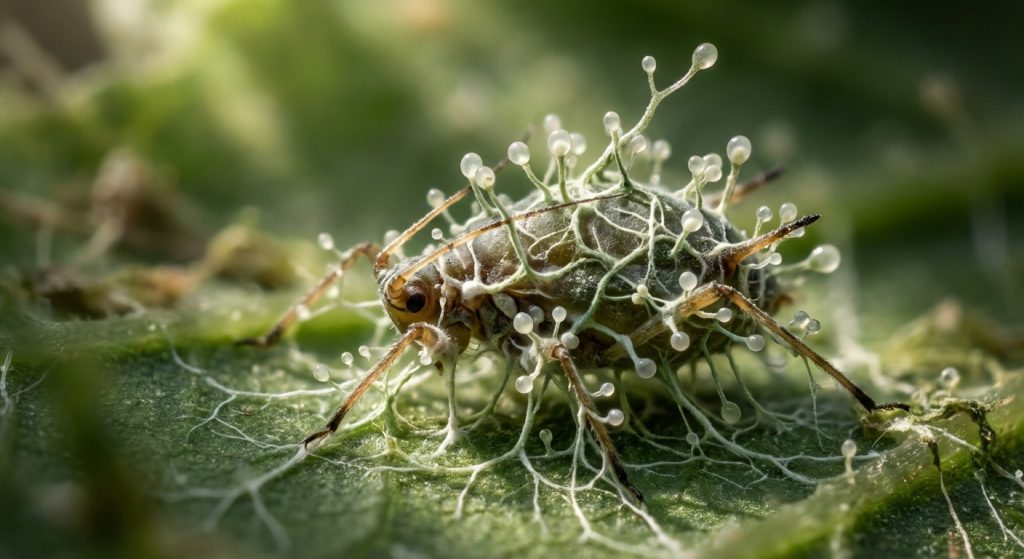
Fungal bio-pesticides work in several ways. They are often called entomopathogenic fungi. This means they infect insects. The process typically begins with contact. Fungal spores land on an insect’s body. These spores then germinate. They grow through the insect’s exoskeleton. Once inside, the fungus consumes the insect. It uses the insect’s tissues for nutrients. As a result, the insect dies.
Some fungi create toxins. These toxins further weaken the insect. Others simply overwhelm the insect’s systems. The speed of infection varies. It depends on the fungus and the insect. However, it is often quite effective. This natural process is highly targeted. It usually affects only specific pests. This is a key advantage over broad-spectrum chemicals.
Types of Fungal Bio-pesticides
Several fungal genera are used. They target different pests. Each has unique strengths. Understanding these is important for farmers.
Beauveria bassiana
This is one of the most common. It is effective against many insects. This includes aphids, thrips, and whiteflies. It works by penetrating the insect’s cuticle. Then, it grows inside the insect. It eventually kills the host. Therefore, it is widely used in agriculture.
Metarhizium anisopliae
This fungus is also very versatile. It targets a broad range of insects. Examples include grasshoppers and weevils. It also grows through the insect’s cuticle. It then spreads throughout the body. This leads to the insect’s demise. It is particularly useful for soil-dwelling pests.
Lecanicillium lecanii
This fungus is effective against soft-bodied insects. This includes aphids and mealybugs. It attacks their nervous system. It also consumes their internal tissues. As a result, the insect stops feeding and dies. It thrives in humid conditions.
Trichoderma species
While often known for plant growth promotion, some Trichoderma species also have antagonistic properties. They can compete with or parasitize plant pathogens. Furthermore, they can produce compounds that inhibit harmful fungi. Therefore, they contribute to overall plant health.
Advantages of Fungal Bio-pesticides
The benefits of using fungal bio-pesticides are numerous. They align perfectly with sustainable farming goals. Because of this, they are gaining popularity.
- Environmental Safety: Fungi are natural. They break down readily in the environment. This minimizes soil and water contamination.
- Target Specificity: Many fungal bio-pesticides target specific pests. This protects beneficial insects like bees and ladybugs. This is crucial for pollination and natural pest control.
- Reduced Chemical Residues: Using fungi reduces the need for synthetic chemicals. This leads to safer food products. It also protects farmworkers.
- Resistance Management: Pests are less likely to develop resistance to fungi. This is because they attack multiple biological pathways. This contrasts with chemical pesticides.
- Compatibility with Integrated Pest Management (IPM): Fungal bio-pesticides fit well into IPM programs. They can be used alongside other control methods.
- Soil Health Improvement: Some fungi can also improve soil health. They can enhance nutrient uptake by plants. This is a dual benefit for farmers.
Challenges and Considerations
Despite their advantages, fungal bio-pesticides have challenges. Addressing these is key to their widespread adoption. Because of this, research continues.
- Environmental Conditions: Fungi often require specific conditions. Humidity and temperature are critical. Too dry or too hot conditions can inhibit their effectiveness. Therefore, application timing is important.
- Speed of Action: Fungal bio-pesticides can be slower acting than chemical pesticides. This might be a concern for farmers facing immediate outbreaks.
- Shelf Life and Storage: Some fungal formulations have a limited shelf life. Proper storage is essential to maintain viability.
- Application Methods: Accurate and effective application is necessary. This ensures spores reach the target pests. Sometimes specialized equipment is needed.
- Cost: In some cases, fungal bio-pesticides can be more expensive initially. However, the long-term benefits often outweigh the initial cost.
Implementing Fungal Bio-pesticides in Your Farm
Integrating fungal bio-pesticides requires planning. Firstly, identify your target pests. Then, choose the appropriate fungal strain. Research shows that the hidden world of fungi plays a vital role in ecosystems. Understanding this can help in selecting the right bio-pesticide.
Application is key. Spraying should occur when conditions are favorable. This means high humidity or during cooler parts of the day. It is also important to follow manufacturer instructions. This ensures the best results. Some products are applied as granules. Others are applied as sprays. Always check the label for specific guidance.
Furthermore, consider crop rotation. This helps prevent pest buildup. It also supports overall soil health. For more on regenerative practices, explore regenerative agriculture. This approach emphasizes long-term soil vitality.
The Future of Fungal Bio-pesticides
The market for bio-pesticides is growing. Fungal bio-pesticides are a significant part of this growth. Research is constantly improving formulations. New strains are being discovered. These offer better efficacy and broader pest control. For instance, scientists are exploring new applications. They are looking at how to enhance fungal persistence. They also aim to improve their tolerance to different conditions.
Moreover, advancements in biotechnology are helping. Genetic engineering might create even more potent strains. However, this raises ethical considerations. Public perception also plays a role. As more farmers adopt these natural solutions, confidence grows. The demand for safer, more sustainable food production drives innovation.
Frequently Asked Questions (FAQ)
Are fungal bio-pesticides safe for humans?
Yes, generally fungal bio-pesticides are considered safe for humans. They are naturally occurring organisms. Unlike chemical pesticides, they do not leave harmful residues. However, as with any product, it’s always best to follow application instructions and safety guidelines.
How quickly do fungal bio-pesticides work?
The speed can vary. It depends on the specific fungus, the target pest, and environmental conditions. Typically, they work more slowly than chemical pesticides. This might take a few days to a week. However, they offer long-term pest management benefits.
Can I use fungal bio-pesticides with other pesticides?
It is generally recommended to use fungal bio-pesticides as part of an Integrated Pest Management (IPM) strategy. However, compatibility with chemical pesticides varies. Always check product labels for specific recommendations regarding tank mixing or sequential application.
What are the best conditions for applying fungal bio-pesticides?
High humidity and moderate temperatures are ideal. Many fungi thrive in moist environments. Therefore, applications are often best in the early morning or late evening. This is when humidity is typically higher.
Conclusion
Fungal bio-pesticides represent a significant step forward. They offer a powerful, natural alternative. They help reduce reliance on harmful chemicals. This benefits both the environment and human health. By understanding and implementing these natural agents, farmers can cultivate healthier crops. They can also contribute to a more sustainable agricultural future. The power of fungi is immense. Embracing it is a wise choice for the planet.
