
Phytoremediation: Plants That Heal Toxic Industrial Soil
Published on February 8, 2026 by Admin
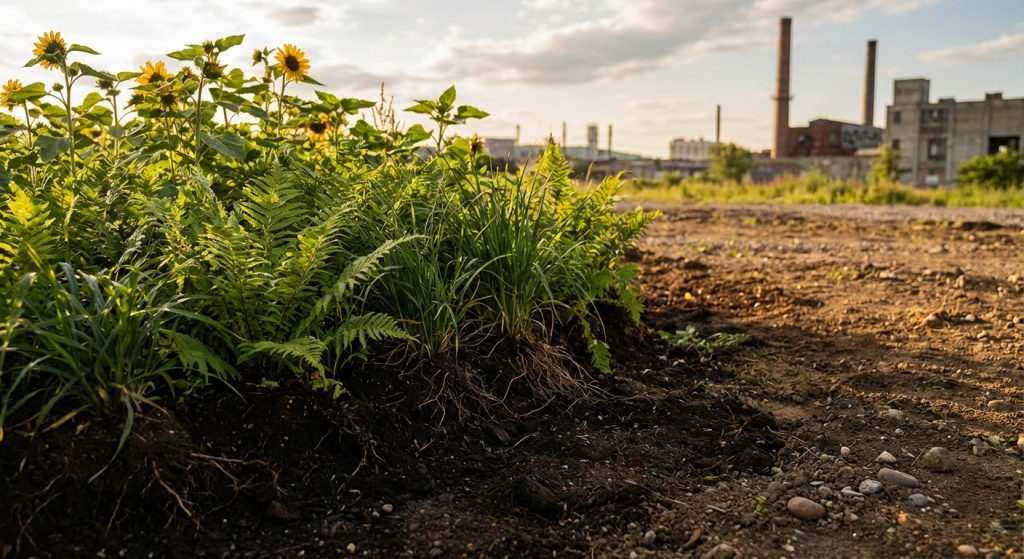
Industrial zones often leave a toxic legacy. Heavy metals and pollutants contaminate the soil. This poses risks to human health and the environment. Traditional cleanup methods can be expensive and disruptive. However, a natural solution is gaining traction: phytoremediation. This technique uses plants to clean up contaminated soil. It is an environmentally friendly and cost-effective approach. Therefore, it offers a promising path for reclaiming industrial wastelands.
What is Phytoremediation?
Phytoremediation is a plant-based technology. It uses living plants to remove, transfer, stabilize, and detoxify environmental contaminants. These contaminants can be in soil, water, or air. The word “phyto” means plant. “Remedium” means to clean. Thus, phytoremediation literally means “plant cleanup.” It harnesses the natural abilities of plants to absorb and process pollutants. This makes it a sustainable and aesthetically pleasing method for environmental restoration.
How Do Plants Clean Contaminated Soil?
Plants employ several mechanisms for phytoremediation. Firstly, they absorb contaminants through their roots. Some plants can then store these pollutants in their tissues. This process is called phytoextraction. Other plants can break down complex pollutants into simpler, less harmful substances. This is known as phytodegradation. Furthermore, some plants can release enzymes that neutralize toxins. In addition, certain plants can volatilize contaminants. They then release them into the atmosphere as gases. This is called phytovolatilization.
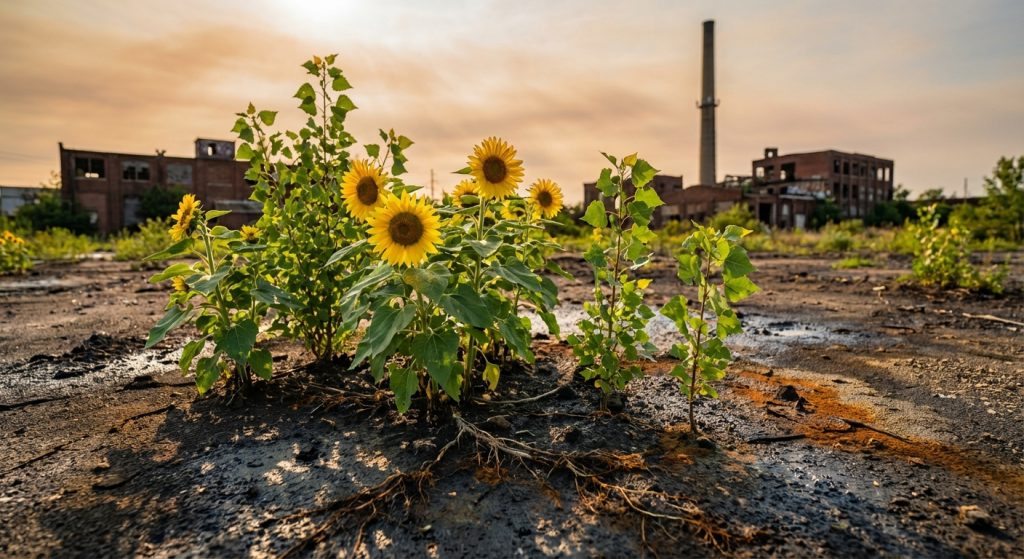
The choice of plant is crucial. Different plants have varying capacities for absorbing specific contaminants. For instance, sunflowers are known to absorb lead. Indian mustard can take up cadmium and lead. Poplar trees are effective at removing volatile organic compounds. Therefore, selecting the right plant species is key to successful phytoremediation projects.
Types of Phytoremediation
There are several distinct types of phytoremediation. Each is suited for different types of contaminants and site conditions.
Phytoextraction
Phytoextraction uses plants to absorb and accumulate heavy metals or other contaminants from the soil. The plants then accumulate these contaminants in their harvestable parts, like leaves and stems. After harvesting, the plant biomass can be disposed of safely. Alternatively, it can be processed to recover valuable metals. This method is particularly effective for metals like lead, cadmium, and nickel. However, it requires careful management of the harvested plant material.
Phytodegradation
Phytodegradation, also known as phytotransformation, involves plants breaking down organic pollutants. Plants achieve this using their metabolic processes. Enzymes within the plant tissues or secreted by plant roots can degrade compounds like pesticides, herbicides, and solvents. This is a highly effective method for organic contaminants. It essentially converts harmful substances into harmless ones.
Phytostabilization
Phytostabilization uses plants to reduce the mobility and bioavailability of contaminants in the soil. Instead of removing contaminants, plants immobilize them. They do this by preventing erosion and leaching. Plants can also alter the soil chemistry to make contaminants less soluble. This is useful for contaminants that are difficult to remove or degrade. For example, it can be used for metals that are toxic to plants if accumulated. This method helps prevent the spread of contamination.
Rhizodegradation
Rhizodegradation involves the breakdown of contaminants in the soil by microorganisms. These microorganisms live in the root zone, also known as the rhizosphere. Plants support these microbes by releasing exudates. These exudates provide nutrients for microbial growth and activity. Therefore, plants indirectly enhance the microbial degradation of pollutants. This is especially effective for organic contaminants.
Phytovolatilization
Phytovolatilization is a process where plants take up contaminants from the soil or water. They then release them into the atmosphere as volatile compounds. This is most effective for elements like selenium and mercury. However, it is important to ensure that the volatilized compounds are not toxic themselves. Also, this method might transfer pollutants to the atmosphere, which needs careful consideration.
Benefits of Phytoremediation for Industrial Zones
Phytoremediation offers numerous advantages, especially for industrial sites.
- Cost-effectiveness: It is generally less expensive than traditional methods like excavation and landfilling.
- Environmental Friendliness: It uses natural processes, minimizing soil disturbance and avoiding secondary pollution.
- Aesthetic Improvement: Plants can beautify the landscape, transforming unsightly industrial areas into green spaces.
- In-situ Treatment: The cleanup happens directly at the contaminated site, reducing transportation risks.
- Sustainable Solution: It promotes biodiversity and improves soil health over time.
Furthermore, phytoremediation can be integrated with other remediation techniques. This creates a more robust and efficient cleanup strategy. For example, it can be combined with soil washing or stabilization methods. This holistic approach ensures thorough decontamination.
Challenges and Limitations
Despite its benefits, phytoremediation is not without its challenges.
- Time-consuming: It can take a longer time to achieve the desired cleanup levels compared to some conventional methods.
- Site-specific: Its effectiveness depends on the type of contaminant, soil conditions, and climate.
- Plant Limitations: Not all plants can tolerate high levels of contamination. Some may accumulate toxins to dangerous levels.
- Depth Limitation: Phytoremediation is most effective for shallow contamination. Deep soil layers are harder to remediate.
- Biomass Disposal: Harvested contaminated biomass requires proper disposal to prevent further environmental issues.
Moreover, regulatory acceptance can sometimes be a hurdle. Establishing clear guidelines and performance standards is essential. This will help promote wider adoption of phytoremediation technologies.
Successful Implementation Strategies
To ensure successful phytoremediation, several factors must be considered.
Site Assessment
A thorough site assessment is the first crucial step. This involves identifying the type and extent of contamination. It also includes understanding soil properties and groundwater conditions. This information helps in selecting the most appropriate plant species and remediation strategy.
Plant Selection
Choosing the right plant species is paramount. Hyperaccumulators are plants that can accumulate high concentrations of metals. However, other plants might be better suited for degrading organic pollutants. Researching local flora and their known phytoremediation capabilities is vital. Additionally, consider plants that are native to the region. They are often more resilient and require less maintenance.
Long-Term Monitoring
Continuous monitoring is essential to track the progress of remediation. This includes regular soil and groundwater sampling. It also involves assessing plant health and contaminant uptake. Monitoring helps ensure that the cleanup goals are being met. It also allows for adjustments to the strategy if needed.
Integration with Other Technologies
For heavily contaminated sites, phytoremediation might be combined with other techniques. For example, soil excavation might be used for highly polluted hotspots. Then, phytoremediation can be applied to the remaining less contaminated areas. This integrated approach can speed up the cleanup process and improve overall effectiveness.
The Future of Phytoremediation
Phytoremediation is a rapidly evolving field. Ongoing research is focused on developing new plant varieties. Genetic engineering is being used to enhance plants’ contaminant uptake and tolerance. Furthermore, advancements in sensor technology allow for better real-time monitoring of soil conditions and plant performance. The integration of AI and machine learning is also showing promise. It can help predict plant suitability and optimize remediation strategies. Therefore, the future holds great potential for phytoremediation as a primary tool for environmental cleanup. We can even see plants playing a role in cleaning up microplastics in the soil, a growing concern. This aligns with the broader goal of creating healthier ecosystems.
Frequently Asked Questions (FAQ)
Is phytoremediation suitable for all types of soil contamination?
Phytoremediation is most effective for shallow soil contamination. It is particularly good for heavy metals and organic pollutants. However, it may not be suitable for very deep contamination or highly toxic sites where plants cannot survive. Also, some contaminants are not readily absorbed or degraded by plants.
How long does phytoremediation typically take?
The duration varies greatly depending on the contaminant, plant species, and site conditions. It can range from a few months to several years. Generally, it is a slower process than excavation but offers long-term benefits.
Are there any risks associated with using plants to clean contaminated soil?
The main risk is that the contaminants might enter the food chain if not managed properly. Also, if plants are harvested and not disposed of correctly, the pollutants can spread. Careful planning and management are essential to mitigate these risks.
Can phytoremediation be used in urban environments?
Yes, phytoremediation is well-suited for urban areas, including industrial zones. It can help revitalize brownfield sites and create green spaces. This improves the urban environment and public health. For instance, urban trees can help filter air pollutants. This is a form of phytoremediation for atmospheric contaminants.
What are the economic benefits for factory owners using phytoremediation?
Factory owners can benefit from lower cleanup costs compared to traditional methods. Additionally, it can improve the public image of the company. It also contributes to long-term environmental sustainability. This can lead to compliance with stricter environmental regulations. It may even unlock opportunities for biodiversity credits in the future.
Conclusion
Phytoremediation presents a powerful, natural, and sustainable approach to cleaning toxic industrial soil. By harnessing the inherent capabilities of plants, we can effectively remediate contaminated sites. This not only restores environmental health but also enhances ecological aesthetics and provides economic advantages. As research progresses and technologies advance, phytoremediation is poised to become an even more critical tool in our ongoing efforts to heal the planet. It offers a green solution for a cleaner future.
