
Plant-Based Meat Labs: Engineering Tomorrow’s Food
Published on February 8, 2026 by Admin
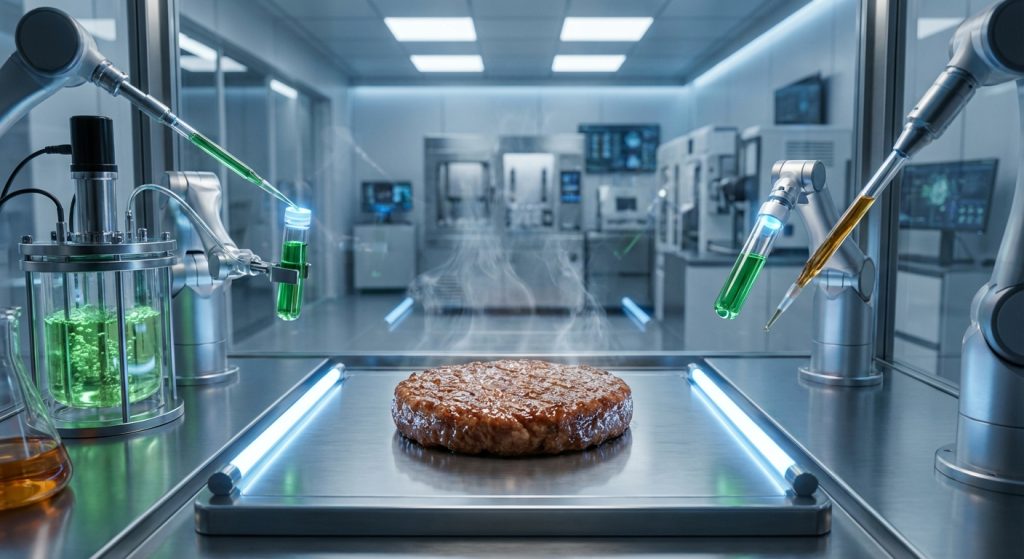
The future of food is evolving rapidly. Traditional animal agriculture faces mounting challenges. These include environmental impact, ethical concerns, and growing consumer demand for healthier options. Consequently, innovative solutions are emerging. Plant-based meat alternatives are at the forefront of this revolution. These are not your average veggie burgers. Instead, they represent sophisticated food science. They aim to replicate the taste, texture, and nutritional profile of conventional meat. This article explores the cutting edge of plant-based meat labs. We will delve into the science, technology, and vision driving this transformative industry.
The Science Behind the Sizzle
Creating convincing plant-based meat requires deep scientific understanding. Food scientists are the architects here. They meticulously select and combine plant-derived ingredients. The goal is to mimic the complex structure of animal muscle. This involves understanding protein chemistry. It also requires knowledge of fat encapsulation and flavor development. Many companies use a blend of proteins. Common sources include soy, pea, wheat, and fava beans. These proteins provide the foundational structure.
Protein Extraction and Texturization
Extracting and processing these proteins is crucial. Techniques like extrusion are vital. They align protein strands. This creates a fibrous texture. It closely resembles muscle tissue. Furthermore, scientists manipulate these proteins. They aim for juiciness and chew. It is a delicate balance. Over-processing can lead to a rubbery texture. Under-processing results in a mushy product. Therefore, precision is key.
Fat Mimicry for Flavor and Mouthfeel
Fat is essential for flavor and mouthfeel in meat. Plant-based labs are mastering fat mimicry. They use plant-based oils. Examples include coconut oil, sunflower oil, and canola oil. These oils are often formulated. They are designed to melt and render like animal fat. This process releases flavor. It also contributes to the satisfying sensation in the mouth. Moreover, some labs are exploring novel fat sources. These might include algae-based lipids. They offer unique properties. They can also enhance sustainability. For instance, algae cultivation is a promising area for future food ingredients.
Flavor and Aroma Engineering
Replicating the nuanced flavors of meat is challenging. It involves understanding aroma compounds. Scientists use natural flavorings. These can include yeast extracts, spices, and fermented ingredients. Maillard reactions are also key. This is the browning process. It occurs when proteins and sugars are heated. It creates rich, savory flavors. Labs often conduct extensive sensory testing. They fine-tune formulations. This ensures a taste experience that satisfies consumers. Ultimately, the aim is to create a product that is indistinguishable from its animal counterpart.

The Technology Driving Innovation
Beyond ingredients, technology plays a pivotal role. Advanced processing techniques are transforming the industry. These technologies enable scalability and product refinement. They are essential for meeting global demand. Plant-based meat labs are investing heavily in R&D. They seek continuous improvement. This drives down costs and enhances product quality.
3D Printing and Precision Fermentation
Emerging technologies are pushing boundaries further. 3D printing is one such innovation. It allows for precise layering of ingredients. This can create complex structures. It mimics the marbling found in steak. Precision fermentation is another exciting area. It uses microorganisms. These are engineered to produce specific proteins. Examples include heme, which gives meat its red color and iron taste. This technology offers a sustainable way to create key meat components. It also reduces reliance on traditional crops.
Advanced Extrusion and Cultured Ingredients
High-moisture extrusion is a cornerstone technology. It is used to create fibrous textures. However, research continues. New extrusion methods are being developed. These aim for even greater realism. Furthermore, the use of cultured ingredients is growing. This includes cell-based components. They are grown in labs. They can be combined with plant-based ingredients. This hybrid approach offers unique possibilities. It allows for enhanced flavor and texture profiles. The synergy between plant-based and cultured components is a key area of exploration.
Sustainability and Ethical Considerations
The rise of plant-based meat is deeply intertwined with sustainability. It offers a compelling alternative to animal agriculture. This sector has a significant environmental footprint. Plant-based options generally require less land and water. They also produce fewer greenhouse gas emissions. For example, regenerative agriculture practices are also crucial for reducing environmental impact, and plant-based alternatives can complement these efforts.
Environmental Impact Reduction
Consider the vast resources needed for livestock. Large tracts of land are used for grazing and feed production. Water consumption is also substantial. Moreover, methane emissions from cattle are a major contributor to climate change. Plant-based alternatives significantly reduce these pressures. They offer a more resource-efficient way to produce protein. Therefore, scaling up these alternatives is vital for a sustainable food system. This is especially true as the global population continues to grow.
Ethical Imperatives
Ethical concerns surrounding animal welfare are a primary driver. Many consumers are uncomfortable with current farming practices. These can include confinement and slaughter. Plant-based meat provides a compassionate choice. It allows consumers to enjoy familiar dishes. They can do so without contributing to animal suffering. This ethical dimension is a powerful motivator for many. It aligns with a broader movement towards more conscious consumption. The ethical implications are profound. They touch on our relationship with animals and the planet.
The Future of Plant-Based Meat
The plant-based meat industry is still in its early stages. However, its growth trajectory is remarkable. Predictions suggest continued expansion. This is driven by innovation and consumer acceptance. The future holds exciting possibilities. We can expect even more sophisticated products. These will likely cater to diverse dietary needs and preferences.
Diversification and Customization
The market will likely see further diversification. Beyond burgers and sausages, expect whole cuts. These might include plant-based chicken breasts or steaks. Furthermore, customization will become more prevalent. Consumers might be able to choose their protein sources. They might also select fat profiles. This level of personalization is a long-term goal. It leverages advanced food technology. For instance, understanding nutrigenomics could lead to personalized protein recommendations.
Beyond Meat: Beyond Burgers
The concept extends beyond just mimicking meat. It includes other animal products. Plant-based dairy, eggs, and seafood are already gaining traction. Labs are exploring new frontiers. They are developing entirely novel food experiences. These might incorporate unique textures and flavors. They could also offer enhanced nutritional benefits. Ultimately, the goal is to build a more sustainable and ethical food system. This system will be accessible to everyone. It’s about more than just replacing meat. It’s about reimagining food production entirely. This aligns with broader trends in sustainable living. For example, permaculture design principles can inform how we create more self-sustaining food ecosystems.
Challenges and Opportunities
Despite the rapid progress, challenges remain. Cost is a significant barrier. Plant-based alternatives can still be more expensive than conventional meat. Scaling production efficiently is key. This will help drive down prices. Consumer perception is another factor. Some consumers are still hesitant. They may view plant-based options as less natural or less tasty. Education and transparent communication are vital here. Moreover, regulatory frameworks are evolving. Ensuring clear labeling and safety standards is important.
Overcoming Cost and Palatability Hurdles
The industry is actively working on these issues. Economies of scale are being achieved. This is making production more cost-effective. Additionally, ongoing research is improving taste and texture. New ingredients and processing methods are constantly being explored. For example, understanding animal navigation might inspire new ways to create complex textures, albeit indirectly.
Building Consumer Trust and Acceptance
Transparency is paramount. Companies are sharing their ingredient lists. They are explaining their scientific processes. This helps build trust. Highlighting the nutritional benefits is also important. Many plant-based meats are fortified with vitamins and minerals. They can be excellent sources of protein. They are also often lower in saturated fat and cholesterol. Therefore, they offer distinct health advantages. Ultimately, taste and value will drive widespread adoption. The labs are working hard to deliver on both.
Frequently Asked Questions (FAQ)
What are the main ingredients in plant-based meat?
Common ingredients include proteins from soy, peas, wheat, and fava beans. Plant-based fats like coconut or sunflower oil are used. Binders, flavorings, and colorings derived from natural sources are also included.
Are plant-based meats as healthy as conventional meat?
Many plant-based meats are designed to be nutritionally comparable. They are often good sources of protein and can be fortified with essential nutrients like iron and B12. However, nutritional profiles can vary by brand and product. It’s always wise to check the nutrition labels.
What is the environmental impact of plant-based meat production?
Generally, plant-based meat production has a lower environmental footprint. It uses less land and water and produces fewer greenhouse gas emissions compared to traditional animal agriculture. This makes it a more sustainable option for the future.
How do plant-based meat labs create the texture of meat?
Techniques like extrusion are used to align plant proteins into fibrous structures. This mimics the muscle tissue of meat. Fat encapsulation is also crucial for juiciness and mouthfeel.
Will plant-based meat replace traditional meat entirely?
It is unlikely to replace traditional meat entirely in the short term. However, it is rapidly becoming a significant and growing segment of the food market. It offers a viable and appealing alternative for many consumers.
Conclusion
Plant-based meat labs are at the forefront of food innovation. They are using sophisticated science and technology. Their goal is to create delicious, sustainable, and ethical alternatives to animal meat. While challenges remain, the industry is rapidly advancing. It promises a future where consumers have more choices. These choices align with a growing desire for healthier living and a more sustainable planet. The engineering of tomorrow’s food is well underway. It is an exciting time for food scientists and vegans alike.
