Salt-Tolerant Mangroves: Engineering Coastal Defense
Published on February 8, 2026 by Admin
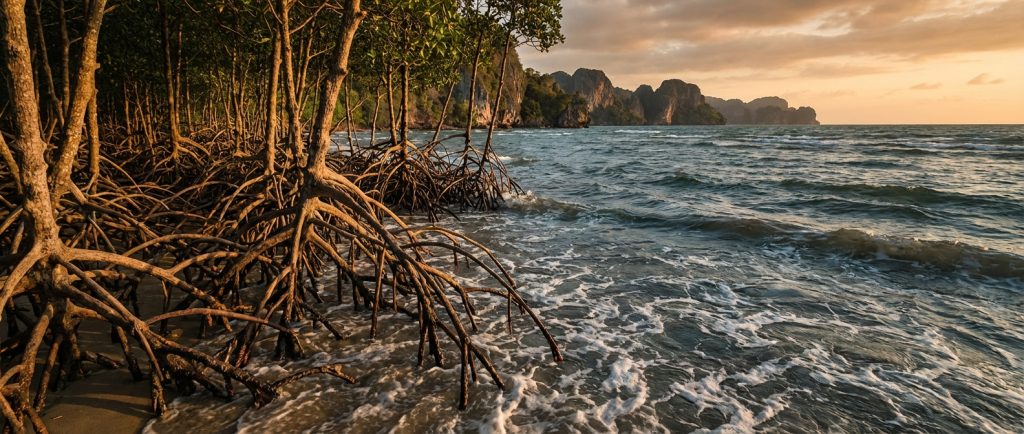
Coastal regions face increasing threats. Rising sea levels and powerful storms pose significant risks. Mangrove forests are natural defenses. However, their survival is challenged by changing environments. Genetic engineering offers a promising solution. Specifically, creating salt-tolerant mangroves can enhance coastal protection. This article explores this innovative approach.
The Critical Role of Mangroves
Mangrove ecosystems are vital. They act as natural barriers against coastal erosion. Their complex root systems stabilize shorelines. They also absorb wave energy. This significantly reduces storm surge impact. Furthermore, mangroves are biodiversity hotspots. They provide crucial habitats for many species. They also support fisheries and local economies.
Unfortunately, mangroves are declining worldwide. Increased salinity is a major factor. Climate change exacerbates this problem. Higher sea levels bring more saltwater inland. This stresses and kills many mangrove species. Therefore, finding ways to bolster their resilience is crucial.
Understanding Salt Tolerance in Plants
Plants need a balance of salt and water. High salt concentrations in soil or water are toxic. They disrupt water uptake. They also interfere with nutrient absorption. Additionally, salt can damage plant tissues directly.
Plants have evolved various mechanisms for salt tolerance. Some exclude salt at their roots. Others compartmentalize salt within specialized cells. Some even excrete excess salt through glands on their leaves. Mangrove species already possess these adaptations. However, current environmental changes may exceed their natural limits.
Genetic Engineering for Enhanced Salt Tolerance
Genetic engineering allows scientists to modify plant traits. This can be done by introducing specific genes. These genes can enhance existing salt tolerance mechanisms. For example, genes responsible for salt exclusion or sequestration can be introduced. These genes can be sourced from highly salt-tolerant plants or microbes.
The goal is to create mangrove varieties that can thrive. They should do so even in environments with higher salinity. This could involve enhancing their ability to pump out excess sodium ions. It could also involve improving their capacity to store salt in vacuoles. Moreover, engineering better water uptake mechanisms is also key. This would help them cope with osmotic stress.
Benefits for Coastal Defense
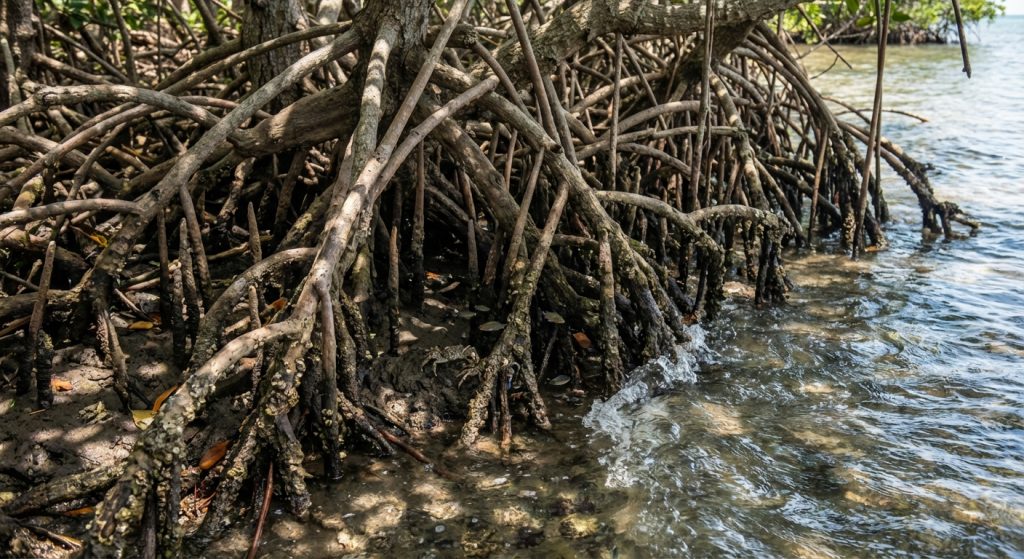
Genetically engineered salt-tolerant mangroves offer significant advantages. Firstly, they can help restore degraded coastal areas. This is especially true for areas impacted by salinization. Secondly, these enhanced mangroves can provide stronger coastal protection. They would be better equipped to withstand harsh saline conditions.
Consequently, this leads to more effective natural defenses. It helps protect coastal communities and infrastructure. It also preserves the valuable ecosystem services mangroves provide. The enhanced resilience means longer-lasting coastal buffers. This is vital for long-term climate adaptation strategies. It is important to note that this technology could complement existing efforts like mangrove restoration projects.
Challenges and Considerations
Despite the promise, several challenges exist. Firstly, the process of genetic modification is complex. It requires significant scientific expertise and resources. Ensuring the safety and ecological impact of genetically modified organisms (GMOs) is paramount. Rigorous testing is needed before any widespread deployment.
Secondly, public perception and regulatory hurdles are important. Acceptance of GMOs can vary. Clear communication and transparent research are essential. Ethical considerations also play a role. We must ensure these engineered plants do not harm existing ecosystems. For example, preventing unintended spread is crucial. Research into genetic plant editing techniques is advancing rapidly, offering new possibilities.
Moreover, the long-term effectiveness needs study. How will these engineered mangroves perform over decades? Will they maintain their enhanced traits? Will they be susceptible to new diseases or environmental shifts? These questions require ongoing research and monitoring.
The Science Behind the Engineering
The process often involves identifying key genes. These genes are linked to salt tolerance in various organisms. For instance, genes encoding for sodium transporters are vital. These help manage sodium ion concentrations. Genes involved in antioxidant production are also important. High salt levels can cause oxidative stress.
Once identified, these genes are isolated. They are then inserted into the mangrove’s genome. This is typically done using techniques like Agrobacterium-mediated transformation. Alternatively, CRISPR-Cas9 technology offers precise gene editing. This allows for targeted modifications. The modified mangrove cells are then grown into full plants. These plants are then tested extensively.
Environmental Impact Assessments
Before any large-scale introduction, thorough environmental impact assessments are necessary. These assessments evaluate potential risks. They look at gene flow to wild relatives. They also assess potential effects on non-target organisms. Furthermore, they consider the overall ecosystem stability.
Researchers must ensure that engineered mangroves do not become invasive. They must also confirm they do not negatively impact native biodiversity. Monitoring programs are essential post-introduction. This ensures continued ecological safety. Understanding the hidden world of fungi and their interaction with mangrove roots is also part of this comprehensive approach.
Case Studies and Future Prospects
While specific large-scale deployments of genetically engineered salt-tolerant mangroves are still emerging, research is promising. Scientists are experimenting with various mangrove species. They are testing different genetic modification strategies. Early results show increased survival rates in saline conditions.
The future prospects are significant. As climate change impacts intensify, the need for robust coastal defenses grows. Genetically engineered mangroves could become a vital tool. They could help secure coastlines and protect vulnerable populations. Furthermore, this technology could be applied to other valuable plant species facing similar salinity challenges. For instance, research into drought-resistant rice for saline deltas shares similar goals.
Conclusion
Salt-tolerant mangroves, enhanced through genetic engineering, hold immense potential. They offer a powerful, science-driven solution. This solution addresses the critical need for effective coastal defense. By bolstering mangrove resilience, we can better protect our shorelines. We can also preserve vital ecosystems. While challenges remain, continued research and careful implementation are key. Ultimately, this technology could play a crucial role in adapting to a changing planet.
Frequently Asked Questions
What are the main threats to mangrove ecosystems?
Mangrove ecosystems face threats from rising sea levels, increased salinity, coastal development, pollution, and unsustainable resource extraction. Climate change, in particular, exacerbates salinity issues and storm intensity.
How does genetic engineering improve salt tolerance in plants?
Genetic engineering can introduce or enhance genes responsible for specific salt tolerance mechanisms. These include genes that help plants exclude salt at their roots, compartmentalize it within cells, or excrete it through leaf glands.
Are genetically modified mangroves safe for the environment?
The safety of genetically modified mangroves is a key consideration. Rigorous environmental impact assessments are crucial to evaluate potential risks, such as gene flow to wild relatives or effects on non-target organisms, before widespread deployment.
What are the benefits of genetically engineered salt-tolerant mangroves for coastal defense?
These mangroves can restore degraded coastal areas, provide stronger natural barriers against storm surges and erosion, and help maintain the ecological services of mangrove ecosystems, thereby protecting coastal communities and infrastructure.
Can genetic engineering help other plants facing salinity issues?
Yes, the principles and techniques used to enhance salt tolerance in mangroves can potentially be applied to other plant species that are affected by high salinity in agricultural or natural environments.
“`