
Smart Seeds: Nano-Coating for Climate Resilience
Published on February 8, 2026 by Admin

Climate change presents a formidable challenge. Extreme weather events are becoming more frequent. This directly impacts agriculture. Farmers face unpredictable conditions. Seed viability is crucial for crop success. Therefore, innovative solutions are vital. Smart seeds offer a promising path forward. Specifically, nano-coating technology is key. It protects seeds from environmental stressors.
This article explores how nano-coating enhances seed protection. We will discuss its benefits for agri-businesses and seed engineers. Furthermore, we will examine the future potential of this technology.
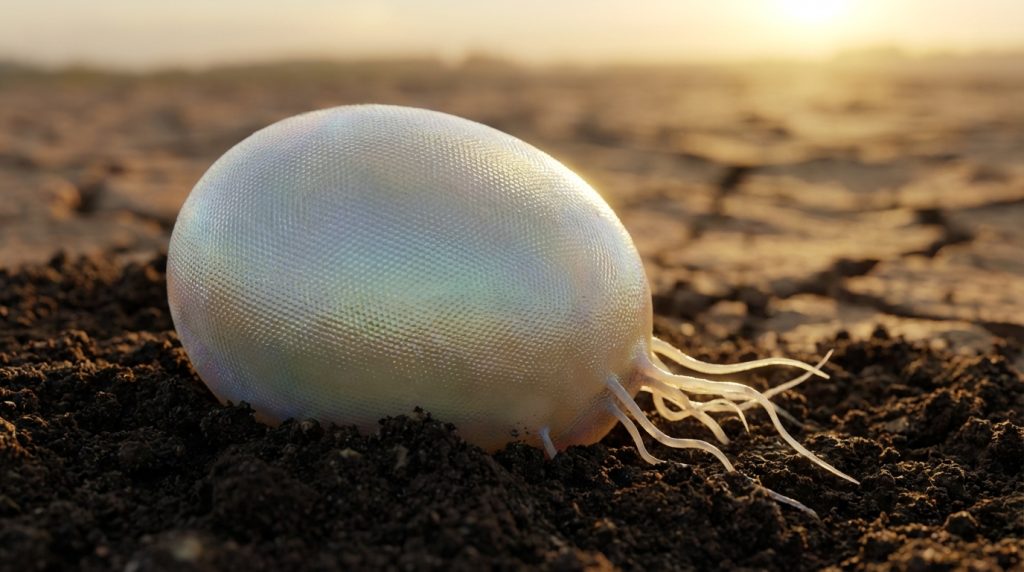
The Growing Threat of Climate Change to Agriculture
Global temperatures are rising. This leads to more intense heatwaves. Droughts are becoming longer and more severe. Conversely, some regions experience increased rainfall. This can cause flooding and soil erosion. Such variability is detrimental to crop yields. Seeds are particularly vulnerable. They need specific conditions to germinate and thrive. Extreme temperatures can damage seed viability. Water stress, both too little and too much, is also harmful. Therefore, protecting seeds before planting is essential.
Moreover, changing climate patterns affect pest and disease prevalence. This adds another layer of risk. Traditional seed varieties may struggle to adapt. Consequently, crop failures can lead to significant economic losses. Food security is thus put at risk. Agri-businesses need robust strategies. They must invest in resilience. Seed engineers are at the forefront of this effort. They are developing new solutions.
What is Seed Nano-Coating?
Seed nano-coating involves applying an ultra-thin layer of nanoparticles to the seed’s surface. These nanoparticles are incredibly small. They measure between 1 and 100 nanometers. This coating acts as a protective barrier. It is designed to shield the seed from various environmental threats. The coating can be tailored with different materials. These materials provide specific benefits. For instance, some coatings enhance nutrient uptake. Others offer protection against pathogens. Some even improve water retention.
The application process is precise. It ensures uniform coverage. This maximizes the effectiveness of the coating. It is a sophisticated process. However, it offers substantial advantages. It transforms ordinary seeds into “smart seeds.” This technology is a game-changer for modern agriculture.
Key Components and Mechanisms
Nano-coatings can comprise various materials. Common examples include:
- Biopolymers: These are natural polymers. They are biodegradable. They offer excellent film-forming properties.
- Metal Oxides: Such as titanium dioxide or zinc oxide. They provide UV protection and antimicrobial properties.
- Nanoparticles of Nutrients: Like iron or zinc. These are released slowly. They enhance early seedling growth.
- Encapsulated Pesticides/Biocontrol Agents: These are released only when needed. This reduces overall chemical use.
The mechanism of protection is multi-faceted. Firstly, the coating creates a physical barrier. This barrier prevents water loss. It also shields the seed from UV radiation. Secondly, some nanoparticles have inherent antimicrobial properties. They can combat soil-borne diseases. Thirdly, the coating can control moisture absorption. This prevents premature germination in unfavorable conditions. It also ensures optimal hydration when conditions are right.
Benefits of Nano-Coated Seeds for Agri-Businesses
For agri-businesses, smart seeds offer significant advantages. These benefits translate directly to improved profitability and sustainability. Firstly, enhanced seed viability leads to higher germination rates. This means fewer seeds are wasted. It also ensures more uniform crop stands. Consequently, yields are increased. This is a direct economic benefit. Farmers can achieve more with less input.
Secondly, the protective coating reduces the need for chemical seed treatments. This is a major win for sustainability. It lowers input costs for farmers. It also reduces environmental contamination. This aligns with growing consumer demand for eco-friendly produce. Thus, it enhances brand reputation. It also reduces regulatory burdens associated with chemical use.
Furthermore, nano-coating can improve seed handling and flowability. This is particularly useful for large-scale mechanized farming operations. It streamlines planting processes. It also allows for more precise seed placement. This optimizes resource utilization.
Advantages for Seed Engineers
Seed engineers are instrumental in developing and refining this technology. Nano-coating allows for precise control over seed characteristics. It enables the development of seeds with enhanced traits. For instance, engineers can design coatings that release specific nutrients. This provides a tailored start for seedlings. It can also incorporate beneficial microbes. These microbes can improve nutrient availability or plant health. This is a form of precision agriculture at the seed level.
Moreover, nano-coating can extend seed shelf life. This is crucial for seed banks and long-term storage. It ensures that seeds remain viable for longer periods. This is especially important for preserving genetic diversity. It also allows for more flexibility in planting schedules. It can help mitigate risks associated with unpredictable weather patterns.
The ability to engineer specific release profiles is another key advantage. For example, a coating can be designed to release a growth stimulant only after a certain temperature threshold is met. This ensures activation only when conditions are favorable. This level of control is unprecedented.
Specific Applications in Climate Change Adaptation
Nano-coating is particularly effective in addressing climate change impacts. Let’s consider some specific scenarios:
Drought Resistance
Drought is a major threat. Many regions face increasing water scarcity. Nano-coatings can improve water retention. They create a hydrogel layer around the seed. This layer absorbs and holds moisture. It then releases it slowly to the germinating seed. This significantly improves germination success in dry conditions. It allows crops to establish roots before severe drought sets in. This is crucial for regions like the Mekong Delta, where drought is a persistent issue.
Heat Tolerance
Rising temperatures can scorch young seedlings. Nano-coatings can incorporate UV-blocking agents. These agents protect the seed and emerging sprout from harmful radiation. Some coatings also help regulate seed temperature. They can reduce heat absorption. This allows seeds to germinate and survive in hotter climates. This is vital for crops grown in arid or semi-arid regions.
Salinity Tolerance
Climate change can lead to increased soil salinity. This is especially true in coastal areas. Salt can inhibit water uptake and be toxic to plants. Certain nano-coatings can create a semi-permeable barrier. This barrier selectively allows water uptake while restricting salt entry. This is a significant breakthrough for agriculture in saline environments.
Flood and Waterlogging Resistance
Conversely, increased rainfall can lead to waterlogged soils. This can suffocate seeds and roots. Some nano-coatings can enhance oxygen diffusion. They can also promote the growth of beneficial microbes. These microbes can help plants tolerate anaerobic conditions. This offers a protective measure against extreme wet weather.
Challenges and Future Directions
Despite its immense potential, nano-coating technology faces challenges. One concern is the environmental impact of nanoparticles. While many are biodegradable, long-term effects need thorough investigation. Research is ongoing to develop truly eco-friendly nano-materials. Regulatory frameworks are also evolving. Ensuring safety and efficacy is paramount. Furthermore, the cost of nano-coating can be a barrier for some farmers. Scaling up production efficiently is key to making it more accessible.
However, the future looks bright. Continuous research is leading to more advanced coatings. These might include coatings that provide enhanced disease resistance. Others could deliver targeted pest control agents. We may also see coatings that can sense environmental conditions. They could then adapt their properties accordingly. This would truly represent “smart seeds.” The integration of nanotechnology with biotechnology promises exciting developments. It offers a robust toolkit for building agricultural resilience.
The development of such technologies is crucial for global food security. It supports the transition to more sustainable farming practices. It also helps farmers adapt to the realities of a changing planet. For instance, understanding the principles of permaculture can complement these advanced seed technologies, creating more resilient agricultural systems overall.
Frequently Asked Questions (FAQ)
What exactly is nano-coating for seeds?
Nano-coating involves applying an extremely thin layer of nanoparticles (1-100 nanometers) to the surface of seeds. This coating provides enhanced protection against environmental stresses like drought, heat, and salinity. It can also deliver nutrients or protective agents.
Are nano-coated seeds safe for the environment?
Research is ongoing to ensure the environmental safety of nanoparticles. Many coatings use biodegradable materials. However, thorough lifecycle assessments are important. The goal is to minimize any potential negative impacts.
How does nano-coating improve crop yield?
By protecting seeds from harsh conditions, nano-coatings significantly increase germination rates and seedling survival. This leads to more robust plants and ultimately higher and more consistent crop yields.
Can nano-coating reduce the need for pesticides?
Yes, some nano-coatings can encapsulate pesticides or biocontrol agents. These are then released gradually and only when needed, or they can have inherent antimicrobial properties, thus reducing the overall amount of chemicals required.
What is the cost-effectiveness of using nano-coated seeds?
While the initial cost might be higher, the increased yields, reduced input costs (like fewer seeds needed and less chemical treatment), and improved resilience often make nano-coated seeds more cost-effective in the long run. Accessibility is improving as production scales up.
Conclusion
Smart seeds, enhanced by nano-coating technology, represent a significant leap forward. They offer a powerful solution for protecting crops from the escalating challenges of climate change. By providing targeted protection and essential nutrients, these seeds empower farmers. They enable more resilient and productive agriculture. Agri-businesses and seed engineers are at the forefront. They are driving innovation. This technology is not just about surviving change. It is about thriving in it. Therefore, embracing smart seeds is crucial for a sustainable agricultural future.
