Vietnam’s Farms: Turning Soil into Carbon Sponges
Published on February 8, 2026 by Admin
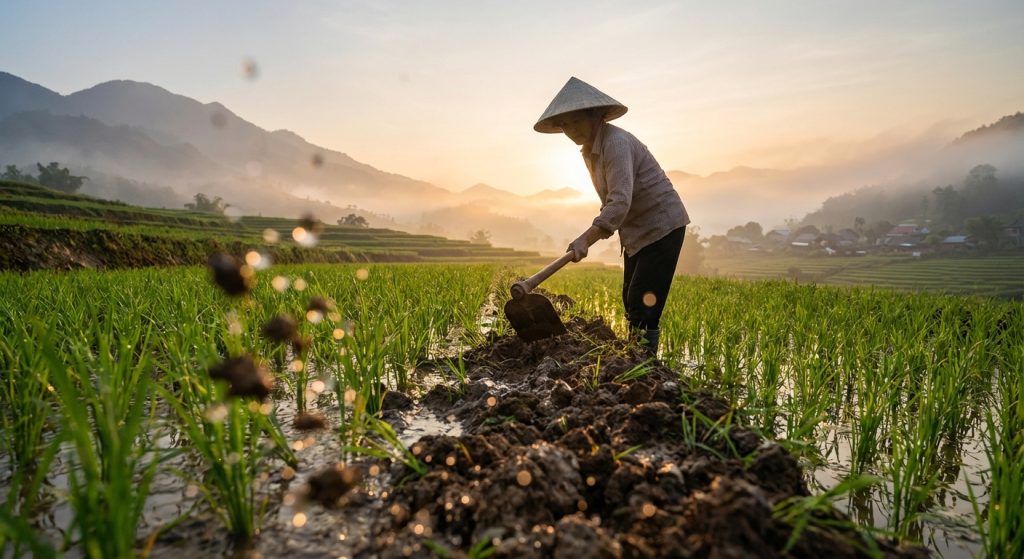
Climate change is a major concern. We need new solutions. Soil sequestration offers a powerful path forward. It can help Vietnam’s farms combat climate change. This process turns agricultural land into carbon sinks. It’s a win-win for farmers and the planet.
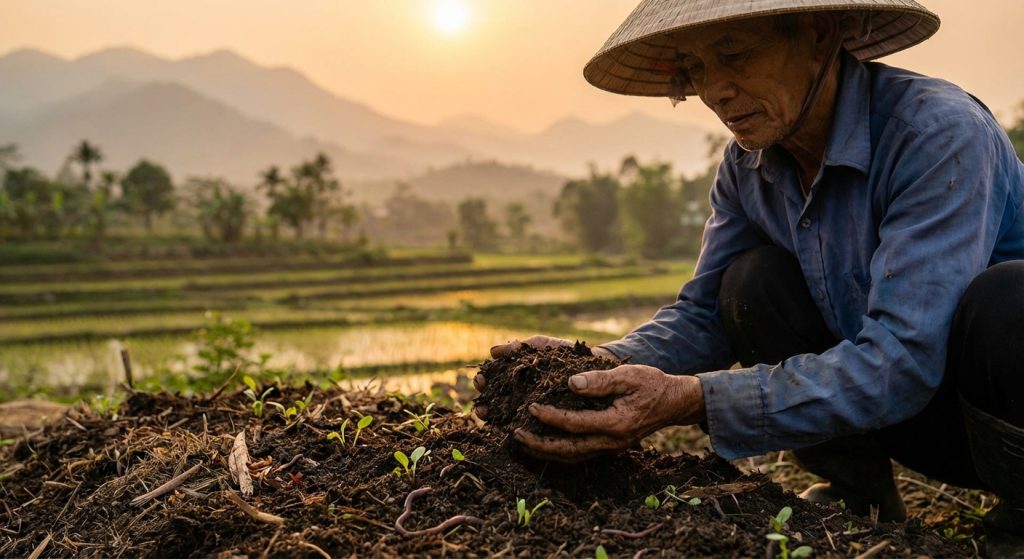
The Power of Healthy Soil
Healthy soil is more than just dirt. It is a living ecosystem. It teems with billions of microorganisms. These microbes are essential. They play a vital role in carbon cycling. Soil can store vast amounts of carbon. This is called soil carbon sequestration. It is a natural process. It happens when plants grow. They pull carbon dioxide from the air. They use it for photosynthesis. Some of this carbon returns to the soil. It becomes part of the soil organic matter.
This organic matter is key. It improves soil structure. It also increases water retention. Furthermore, it boosts soil fertility. This means healthier crops. It also means more resilient farms. Farmers can benefit greatly. They can improve their yields. They can also reduce their reliance on chemical inputs. This is a significant advantage. It aligns with sustainable farming practices.
Why Vietnam Needs Soil Sequestration
Vietnam faces unique challenges. It is a country with a large agricultural sector. Rice paddies dominate much of the landscape. These practices can deplete soil carbon. Climate change also brings new threats. These include rising sea levels and changing rainfall patterns. Soil degradation is a serious issue. It impacts food security. It also affects farmer livelihoods.
Therefore, adopting soil sequestration methods is crucial. It offers a dual benefit. Firstly, it helps mitigate climate change. It does this by removing carbon dioxide from the atmosphere. Secondly, it enhances the health and productivity of agricultural lands. This is especially important for Vietnam’s extensive farming communities. It can lead to more sustainable and resilient food production systems.
Key Practices for Soil Sequestration
Several farming practices can enhance soil carbon sequestration. These methods focus on increasing organic matter. They also aim to reduce soil disturbance. Let’s explore some key techniques:
Cover Cropping
Cover crops are planted. They are grown between cash crops. They are not harvested for sale. Instead, they protect the soil. They also add organic matter. For example, legumes can fix nitrogen. This enriches the soil naturally. Other cover crops prevent erosion. They also suppress weeds. Therefore, cover cropping is a cornerstone of soil health.
No-Till or Reduced Tillage Farming
Tilling the soil can release stored carbon. It disrupts soil structure. No-till farming avoids this. Farmers plant seeds directly into the soil. They do not plow it beforehand. Reduced tillage uses less intensive plowing. As a result, soil carbon is better preserved. This practice also helps maintain soil moisture. It can reduce fuel costs for farmers too.
Crop Rotation
Rotating different crops is beneficial. It prevents the depletion of specific nutrients. It also helps manage pests and diseases. Different crops have different root systems. They also have varying impacts on soil organic matter. For instance, planting deep-rooted crops can improve soil structure. This leads to better carbon storage over time. Thus, diverse crop rotations are vital.
Composting and Manure Application
Adding compost and animal manure is excellent. It directly increases soil organic matter. Compost is decomposed organic material. Manure comes from livestock. Both are rich in carbon and nutrients. They improve soil fertility. They also enhance soil structure. Therefore, these organic amendments are highly valuable. They are a direct way to build soil carbon. Learn more about the impacts of chemical fertilizers in The Soil’s Silent Scream: How Chemical Fertilizers Harm Earth.
Agroforestry
Agroforestry integrates trees with crops. It is a holistic approach. Trees store significant amounts of carbon. Their roots also improve soil. They can provide shade. They can also offer additional products like fruit or timber. This system diversifies income streams. It also enhances biodiversity. Therefore, agroforestry is a powerful tool for carbon sequestration. It also builds farm resilience. This is a topic we explore further in Agroforestry: Grow More Than Crops for Diverse Income.
Benefits Beyond Carbon Sequestration
The advantages of soil sequestration extend far beyond carbon storage. These practices create healthier, more robust agricultural systems. Here are some additional benefits:
- Improved Water Management: Healthy soil acts like a sponge. It absorbs and retains more water. This is crucial for drought resilience. It also reduces water runoff and erosion.
- Enhanced Biodiversity: Increased soil organic matter supports a wider range of soil organisms. This includes beneficial microbes, fungi, and invertebrates. This biodiversity is vital for a healthy ecosystem.
- Reduced Fertilizer Needs: As soil health improves, its natural fertility increases. This means farmers can reduce their reliance on synthetic fertilizers. This saves costs and reduces environmental pollution.
- Better Crop Quality: Nutrient-rich soil leads to healthier, more nutritious crops. This benefits both farmers and consumers.
- Economic Opportunities: Farmers can potentially earn income from carbon credits. This provides an additional revenue stream. It incentivizes the adoption of these sustainable practices.
Challenges and Policy Implications
Implementing widespread soil sequestration is not without its challenges. Farmers may need initial investment. They might also require training and technical support. Measuring and verifying soil carbon levels can be complex. Policies need to address these issues.
Governments can play a crucial role. They can offer financial incentives. Subsidies for cover crops or no-till equipment are helpful. They can also support research and education. Developing clear guidelines for carbon measurement is essential. Furthermore, creating robust carbon markets will drive adoption. Policy makers should consider policies that support farmers in this transition. This ensures long-term success. It also helps Vietnam meet its climate goals.
The Future: Farms as Climate Solutions
Turning Vietnamese farms into carbon sponges is a tangible and effective climate solution. It leverages the natural power of healthy soil. It also empowers farmers. By adopting regenerative agricultural practices, farmers can contribute significantly to climate change mitigation. They can also build more resilient and profitable farms. This approach offers a pathway to a sustainable future for agriculture in Vietnam. It is an investment in both the environment and the economy.
Frequently Asked Questions (FAQ)
What exactly is soil carbon sequestration?
Soil carbon sequestration is the process by which plants absorb carbon dioxide from the atmosphere through photosynthesis. A portion of this carbon is then transferred to the soil, where it is stored as organic matter. This process effectively removes greenhouse gases from the atmosphere and stores them in the soil.
How does soil sequestration benefit farmers directly?
Farmers benefit directly through improved soil health. This leads to better crop yields, increased water retention, reduced need for synthetic fertilizers, and greater resilience to drought and extreme weather. Additionally, participation in carbon credit markets can provide an extra income stream.
Are there any downsides to soil sequestration practices?
The primary challenges involve initial investment in new equipment or practices, the need for farmer education and support, and the complexity of accurately measuring and verifying the amount of carbon sequestered. Policy support is often needed to overcome these hurdles.
Can all types of farms benefit from soil sequestration?
Yes, most agricultural systems can benefit. While specific practices might vary based on crop type, climate, and soil conditions, principles like increasing organic matter, reducing tillage, and enhancing biodiversity are broadly applicable across different farming contexts.
What role do policymakers play in promoting soil sequestration?
Policymakers are crucial for creating an enabling environment. They can offer financial incentives, fund research and development, establish clear measurement and verification protocols, and develop robust carbon markets. Their support can accelerate the adoption of these beneficial practices.