
Central VN Desertification: High-Tech Reforestation Solutions
Published on February 8, 2026 by Admin
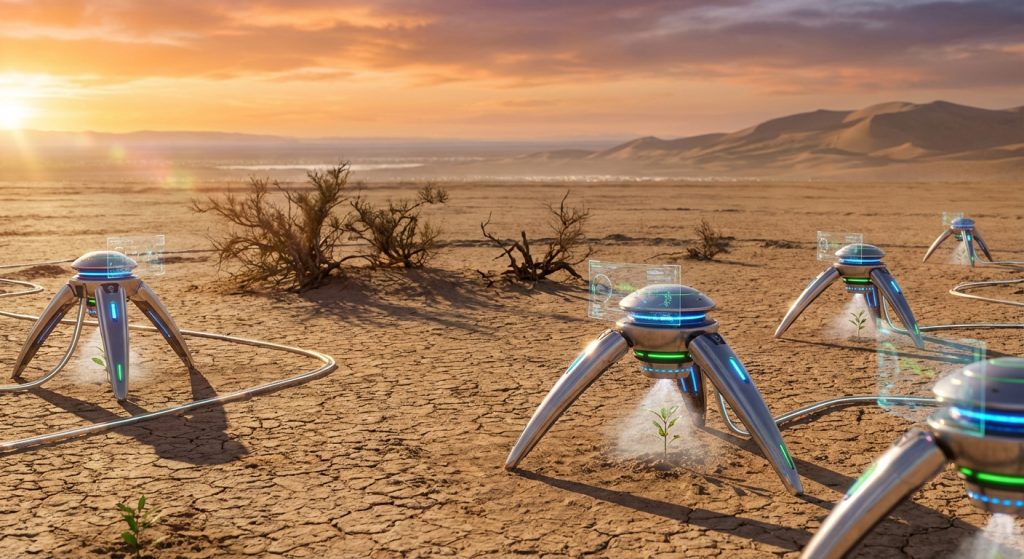
Central Vietnam faces a growing threat. Desertification is creeping in. This means land is turning into desert. It’s a serious environmental challenge. This process degrades fertile land. It impacts agriculture and livelihoods. It also affects biodiversity. Fortunately, new technologies offer hope. High-tech reforestation strategies are emerging. These can help combat desertification. They can restore damaged ecosystems. This article explores these innovative solutions.
Understanding the Desertification Threat
Desertification is a complex issue. It is driven by several factors. Climate change plays a significant role. Rising temperatures and erratic rainfall patterns exacerbate it. Unsustainable land management practices also contribute. Overgrazing and deforestation are major culprits. These activities deplete soil nutrients. They leave the land vulnerable. In Central Vietnam, this is a pressing concern. The region has a distinct dry season. This makes it susceptible. Without proper intervention, the problem worsens.
The consequences are far-reaching. Firstly, agricultural productivity declines. Farmers struggle to grow crops. This leads to food insecurity. Secondly, it displaces communities. People are forced to leave their homes. They seek new opportunities elsewhere. Thirdly, it harms the environment. Unique plant and animal species are lost. Ecosystem services are degraded. Therefore, urgent action is needed. We must explore effective solutions.
The Role of Technology in Reforestation
Traditional reforestation methods have limitations. They can be slow and labor-intensive. Modern technology offers faster, more efficient alternatives. These tools are revolutionizing how we plant trees. They also help us monitor their growth. This is crucial for successful restoration. Several high-tech strategies are proving effective.
Drone Technology for Planting
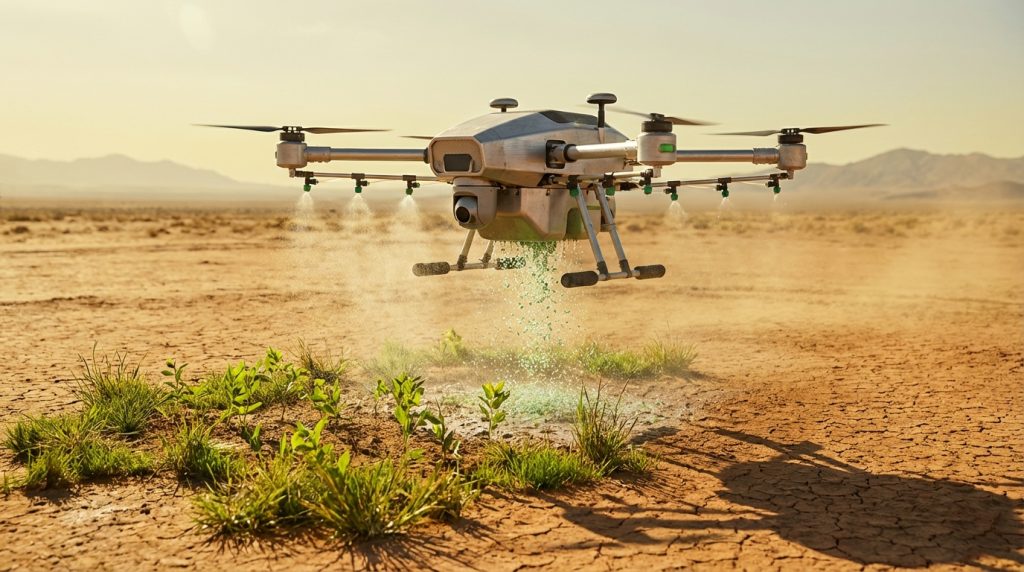
Drones are transforming reforestation. They can plant seeds and saplings rapidly. This is especially useful in remote or difficult terrain. Drones can cover large areas quickly. They can precisely target planting spots. Some drones use specialized seed pods. These pods contain seeds and nutrients. They are designed for arid conditions. This method significantly speeds up planting efforts. It allows for wider coverage than manual methods. For example, drones can reach steep slopes or inaccessible areas. This ensures trees are planted where they are most needed.
AI-Powered Monitoring and Analysis
Once planted, trees need care. Monitoring their health is vital. Artificial intelligence (AI) plays a key role here. AI can analyze vast amounts of data. This includes satellite imagery and sensor data. It can detect early signs of stress or disease. AI algorithms can identify optimal planting locations. They can also predict future growth patterns. This helps in resource allocation. It ensures interventions are timely and effective. For instance, AI can analyze soil moisture levels. It can then recommend irrigation schedules. This prevents water wastage. It also ensures trees get adequate hydration. This intelligent approach optimizes survival rates.
Advanced Soil and Water Management
Desertification is fundamentally a soil and water problem. High-tech solutions address this directly. Smart irrigation systems are essential. These systems use sensors to monitor soil moisture. They deliver water only when and where it’s needed. This conserves precious water resources. Drip irrigation technology is highly effective. It delivers water directly to plant roots. This minimizes evaporation. Furthermore, soil regeneration techniques are being enhanced by technology. This includes using biochar. Biochar improves soil structure and water retention. It also sequesters carbon. Advanced soil analysis tools help identify nutrient deficiencies. This allows for targeted soil amendments. This holistic approach revitalizes the land.
Biotechnology and Genetically Modified Organisms (GMOs)
Biotechnology offers advanced solutions. Scientists are developing drought-resistant tree species. These species are better suited to arid conditions. They can survive with less water. Genetic engineering can enhance a plant’s resilience. It can improve its ability to tolerate salt or poor soil. These modified trees can thrive where native species struggle. This is a powerful tool against desertification. However, careful consideration of ecological impacts is crucial. The introduction of GMOs requires thorough risk assessment. Public perception also plays a role. Transparency and rigorous testing are paramount.
We can learn from advancements in related fields. For example, the development of drought-resistant rice shows the potential of crop engineering. Similarly, research into smart seeds with protective coatings offers insights into enhancing plant survival. These innovations demonstrate a growing trend towards technologically advanced agricultural solutions.
Implementing High-Tech Reforestation in Central VN
Successfully implementing these strategies requires careful planning. It also needs collaboration. Several key steps are crucial for effective deployment.
Site Assessment and Selection
Firstly, thorough site assessments are necessary. Understanding the specific conditions is vital. This includes soil type, rainfall patterns, and existing vegetation. Data from remote sensing and GIS mapping can guide this process. Selecting the right locations for reforestation is key. Areas most affected by desertification should be prioritized. However, areas with the highest potential for success should also be considered. This ensures resources are used effectively.
Choosing the Right Species
Secondly, selecting appropriate tree species is critical. Native species are often best. They are adapted to the local climate and soil. However, in severely degraded areas, resilient or modified species may be necessary. Research into local biodiversity is essential. Understanding the ecological niche of each species helps. This ensures the chosen trees will thrive. It also supports the local ecosystem. For instance, native hardwood species might be ideal for long-term forest restoration.
Integrated Technology Deployment
Thirdly, technology integration is paramount. This involves combining different tools. Drones for planting, AI for monitoring, and smart irrigation systems must work together. A central platform can manage all this data. This allows for real-time adjustments. It ensures a coordinated approach. Training local personnel on these technologies is also important. This builds local capacity. It ensures long-term sustainability. The goal is to create a smart, adaptive reforestation program.
Community Involvement and Education
Furthermore, community engagement is crucial. Local communities understand the land best. Their involvement ensures project success. Education programs can raise awareness about desertification. They can also teach sustainable land management practices. Empowering local communities leads to greater ownership. It fosters long-term stewardship of the restored areas. This is especially important for ongoing maintenance.
Challenges and Future Outlook
Despite the promise, challenges remain. The initial cost of high-tech solutions can be high. This may be a barrier for some regions. Access to technology and skilled personnel is also a factor. Furthermore, policy and regulatory frameworks need to adapt. They must support these new approaches. Long-term funding and political will are essential. These are critical for sustained success.
However, the future looks promising. As technology advances, costs decrease. Accessibility improves. The urgency of climate change is driving innovation. Reforestation efforts are becoming more sophisticated. The integration of AI, drones, and biotechnology offers unprecedented potential. Central Vietnam can become a leader in high-tech ecological restoration. This will not only combat desertification. It will also create a more sustainable future.
Frequently Asked Questions
What are the main drivers of desertification in Central Vietnam?
The main drivers include climate change, leading to higher temperatures and erratic rainfall, alongside unsustainable land management practices like overgrazing and deforestation.
How do drones help in reforestation efforts?
Drones can plant seeds and saplings much faster and over larger areas than manual methods. They can also access difficult terrains and precisely target planting locations, significantly increasing efficiency and coverage.
Can genetically modified trees solve desertification?
Genetically modified trees, developed for drought resistance or salt tolerance, can be very effective in arid or degraded lands. However, their introduction requires careful ecological assessment and consideration of public acceptance.
Why is community involvement important in reforestation projects?
Local communities possess invaluable traditional knowledge of the land. Their involvement ensures projects are contextually relevant, fosters a sense of ownership, and promotes long-term care and sustainability of the restored areas.
What is the biggest challenge for high-tech reforestation?
The initial cost of advanced technologies can be a significant barrier. Additionally, ensuring access to these technologies, training skilled personnel, and establishing supportive policy frameworks are ongoing challenges.
Conclusion
The desertification of Central Vietnam is a pressing issue. However, it is not insurmountable. High-tech reforestation strategies offer powerful tools. Drones, AI, advanced water management, and biotechnology are key. These innovations enable faster, more effective land restoration. They also improve monitoring and long-term sustainability. By integrating these technologies and involving local communities, we can reverse land degradation. This will secure a greener, more resilient future for the region.
