
Urban Forests: Crafting Ho Chi Minh City’s Micro-Jungles
Published on February 8, 2026 by Admin
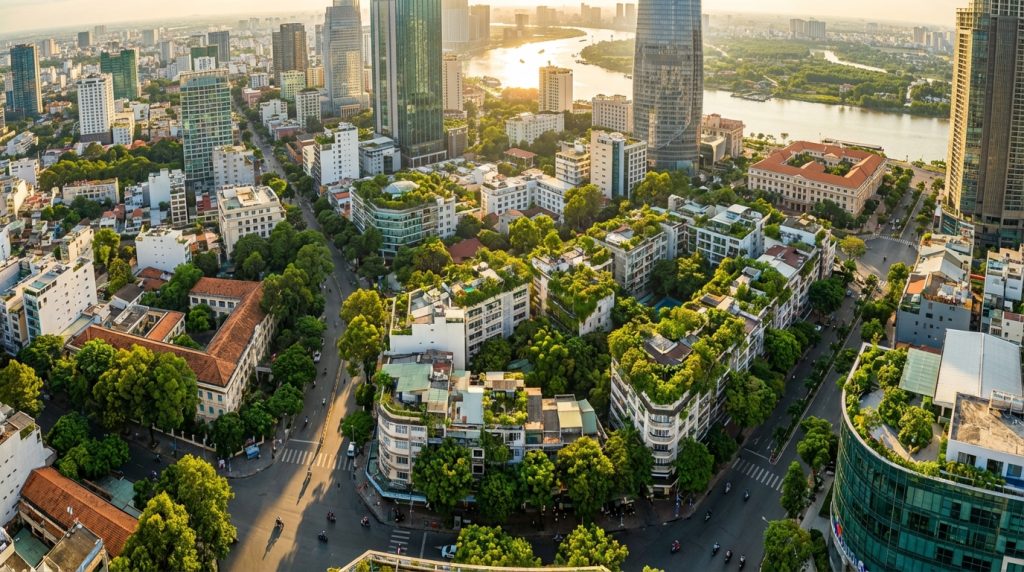
Ho Chi Minh City (HCMC) is a vibrant metropolis. It buzzes with life and energy. However, this rapid growth often comes with environmental challenges. Concrete jungles can feel overwhelming. They lack the natural respite many urban dwellers crave. Fortunately, there’s a growing movement. It’s about bringing nature back into the city. This is the essence of urban forestry. It’s about creating “micro-jungles.” These small, green oases can transform our urban experience.
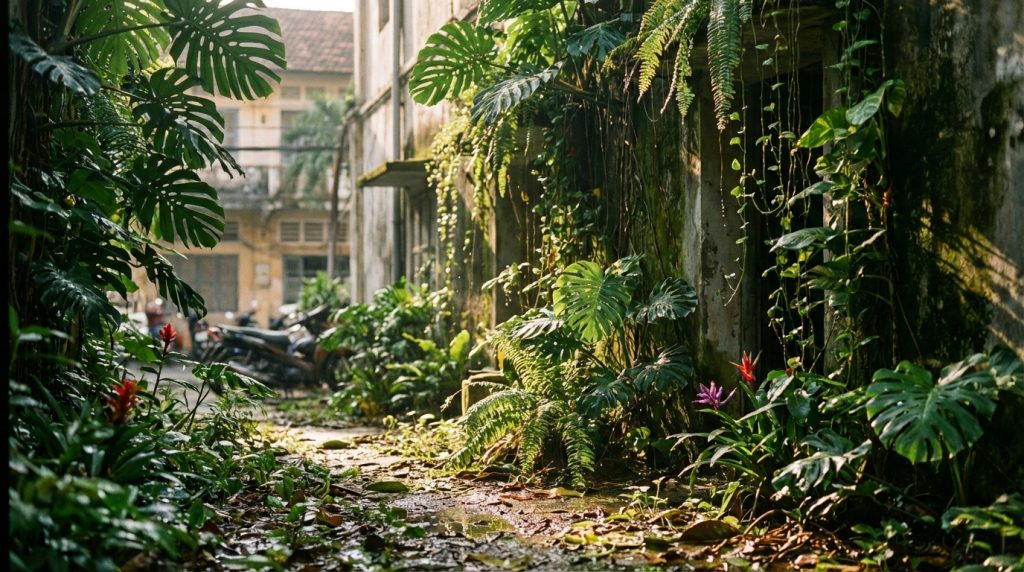
The Need for Green in a Growing City
HCMC’s expansion is undeniable. This growth puts a strain on its environment. Think about air quality. It’s a major concern for city dwellers. Trees act as natural air filters. They absorb pollutants. They release oxygen. This improves the air we breathe. Furthermore, urban heat islands are a problem. Hard surfaces absorb and retain heat. This makes cities much hotter than surrounding rural areas. Trees provide shade. They also cool the air through evapotranspiration. This helps mitigate the heat island effect. Therefore, integrating more green spaces is crucial for HCMC’s sustainability and livability.
Beyond environmental benefits, urban forests offer social and psychological advantages. Green spaces provide places for recreation. They encourage community interaction. They also offer a vital connection to nature. This connection can reduce stress. It can improve mental well-being. For landscape architects, this presents a unique opportunity. They can design spaces that are both beautiful and functional. They can create a healthier urban environment for everyone.
What Are Urban Forests?
Urban forests are more than just scattered trees. They represent a planned approach to green infrastructure. This includes parks, street trees, gardens, and even green rooftops. It encompasses all woody vegetation within a city. The goal is to maximize the ecological and social benefits these green elements provide. This means strategic planting. It involves selecting appropriate species. It also means proper maintenance. The idea is to create a functioning ecosystem within the urban fabric.
Think of these “micro-jungles” as living infrastructure. They work alongside roads and buildings. They provide essential services. These services are often undervalued. They include stormwater management. They also support urban biodiversity. Furthermore, they enhance the aesthetic appeal of the city. For landscape architects, understanding these functions is key. It allows for more effective design and planning.
The “Micro-Jungle” Concept
The term “micro-jungle” captures the essence of this approach. It’s about creating dense, biodiverse pockets of green. These aren’t just manicured lawns. They are vibrant ecosystems. They mimic natural environments on a smaller scale. This can be achieved through various design strategies. For example, using a variety of native plant species. This attracts local wildlife. It also supports a healthier ecosystem. Furthermore, incorporating understory plants, shrubs, and ground cover creates layered habitats. This adds to the “jungle” feel. It also increases ecological complexity.
These micro-jungles can be integrated into existing spaces. Consider vacant lots. They can be transformed. Small urban courtyards can become lush retreats. Even vertical spaces can be utilized. Green walls and rooftop gardens contribute to this concept. Therefore, the “micro-jungle” is about maximizing green impact in limited urban areas.
Benefits for Urban Dwellers
For the residents of HCMC, these urban forests offer profound benefits. Firstly, they provide much-needed green spaces for relaxation and recreation. Imagine a quiet park. It offers a respite from the city’s hustle. People can walk, exercise, or simply sit and enjoy nature. This contributes to physical health. It also boosts mental well-being. Studies have shown that spending time in nature reduces stress and anxiety. It can even improve cognitive function. This is particularly important in a fast-paced city like HCMC.
Moreover, urban forests can enhance social cohesion. Community gardens, for instance, bring people together. Neighbors work side-by-side. They share a common goal. This fosters a sense of community. It also provides opportunities for education. Children can learn about plants and nature. This connection to nature is vital for their development. Therefore, these green spaces are not just aesthetic additions. They are essential for the well-being of urban populations.
Benefits for Landscape Architects
Landscape architects play a pivotal role in creating these urban micro-jungles. They are the designers. They are the visionaries. They transform concrete landscapes into thriving green spaces. This requires a deep understanding of ecology. It also demands creativity and technical skill. The challenge is to integrate nature seamlessly into the urban fabric. This involves careful site analysis. It also requires knowledge of plant physiology and urban ecosystems. For instance, selecting the right trees for street planting is crucial. They need to tolerate urban conditions. They also need to provide shade and air purification benefits. This is where the science of urban tree canopy benefits becomes essential.
Furthermore, landscape architects can design for multiple benefits. A rain garden, for example, can manage stormwater. It also provides habitat for insects and birds. Green roofs can insulate buildings. They also reduce runoff. By thinking holistically, architects can create spaces that are not only beautiful but also highly functional. They can contribute to a more sustainable and resilient city. This aligns with the growing trend of designing for green building standards.
Creating Micro-Jungles in HCMC: Challenges and Opportunities
Implementing urban forests in a dense city like HCMC presents unique challenges. Firstly, space is at a premium. Land is expensive. Therefore, innovative solutions are needed. Vertical gardens are a great option. They utilize building facades. Rooftop gardens are another possibility. They transform underutilized spaces. Secondly, HCMC’s climate can be challenging. It experiences high temperatures and humidity. It also faces heavy rainfall. Plant selection must consider these factors. Native and drought-tolerant species are often ideal. They require less maintenance. They also support local biodiversity.
Despite these challenges, HCMC offers significant opportunities. The city’s dense population means there’s a high demand for green spaces. The government is also increasingly recognizing the importance of urban greenery. This can lead to supportive policies and funding. Moreover, HCMC’s tropical climate allows for a wide variety of plant life. This can result in incredibly lush and diverse micro-jungles. For landscape architects, this is an exciting prospect. They can experiment with new designs. They can create truly unique urban ecosystems. Considering the success of vertical farms, the potential for greening urban structures is immense.
Design Strategies for HCMC
To create successful micro-jungles in HCMC, several design strategies are effective. Firstly, prioritize native plant species. These plants are adapted to the local climate. They also support native wildlife. This is crucial for building a robust urban ecosystem. Secondly, incorporate water-sensitive urban design (WSUD) principles. This includes rain gardens and permeable paving. These features help manage stormwater. They also reduce the burden on drainage systems. For example, planting trees with deep root systems can help stabilize soil and absorb water.
Thirdly, consider multi-functional green spaces. A park could include play areas for children. It could also have seating areas for relaxation. It might even incorporate edible landscaping. This provides food resources. It also educates the public. Furthermore, integrating elements that attract pollinators is important. This supports wider ecosystem health. Finally, think about the sensory experience. The sounds of birds, the scent of flowers, and the feel of lush foliage all contribute to a more immersive “jungle” experience. This is akin to the calming effects of forest bathing.
The Role of Community and Policy
Creating and maintaining urban forests is not solely the responsibility of landscape architects. Community involvement is vital. Local residents can participate in planting days. They can help with ongoing maintenance. They can also advocate for more green spaces. This fosters a sense of ownership. It ensures the long-term success of these projects. Educational programs can also raise awareness. They can highlight the benefits of urban greenery. This builds support for future initiatives.
Government policies are also crucial. Local authorities can implement zoning regulations. These regulations can mandate green space in new developments. They can also provide incentives for green infrastructure. Investing in urban forestry is an investment in the city’s future. It leads to improved public health. It enhances environmental resilience. It also boosts the city’s attractiveness. Therefore, a collaborative approach involving citizens, professionals, and policymakers is essential. This ensures that HCMC can truly become a city of thriving micro-jungles.
Frequently Asked Questions (FAQ)
What exactly is an “urban forest” in the context of a city like Ho Chi Minh City?
An urban forest in HCMC refers to all the trees and woody vegetation within the city limits. This includes parks, street trees, gardens, green roofs, and even individual trees on private property. It’s about managing these green elements as an interconnected system.
How do these “micro-jungles” help combat the urban heat island effect?
Trees provide shade, which directly reduces surface temperatures. Additionally, through evapotranspiration, trees release water vapor into the air. This process cools the surrounding environment, much like natural air conditioning. Therefore, they significantly lower ambient temperatures in urban areas.
Are there specific types of plants that are best suited for creating micro-jungles in HCMC’s climate?
Yes, native species are generally the best choice. They are adapted to the local climate, require less water and maintenance, and provide better support for local wildlife. For HCMC, this would include a variety of tropical and subtropical plants that thrive in high humidity and heat.
What is the role of landscape architects in creating these urban green spaces?
Landscape architects are instrumental in the design and planning of urban forests and micro-jungles. They select appropriate plant species, design layouts that maximize ecological and social benefits, and ensure the integration of green spaces into the urban infrastructure. They balance aesthetics with functionality.
Can individuals contribute to creating urban micro-jungles on their own property?
Absolutely! Planting trees in your yard, creating a balcony garden, or even starting a small herb garden on a windowsill all contribute. Community gardening projects are also a fantastic way for individuals to participate and foster a sense of local green stewardship.
Conclusion
Creating urban forests and “micro-jungles” in Ho Chi Minh City is more than just an aesthetic choice. It is a necessity for a sustainable and healthy future. These green spaces offer a multitude of benefits. They improve air and water quality. They mitigate the urban heat island effect. They also provide crucial habitats for biodiversity. Furthermore, they offer urban dwellers much-needed spaces for relaxation and connection with nature. For landscape architects, this presents an exciting frontier. It’s an opportunity to design innovative solutions. These solutions can transform the urban landscape. By working together, citizens, professionals, and policymakers can cultivate a greener, more vibrant, and resilient HCMC. This commitment to urban greenery will undoubtedly enrich the lives of its inhabitants for generations to come.
