
Wild Food Foraging: Safety and Ethics in VN Forests
Published on February 8, 2026 by Admin
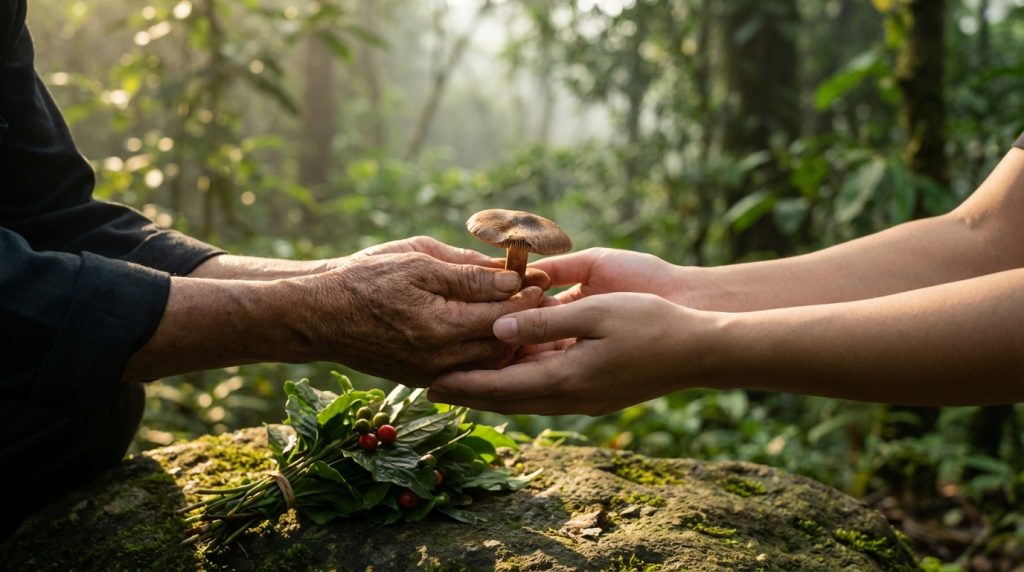
Exploring Vietnam’s lush forests offers incredible opportunities. You can discover unique flavors and connect with nature. However, wild food foraging requires careful attention. Safety and ethical practices are paramount. This guide will help you navigate the risks and responsibilities.
Understanding the Risks of Wild Foraging
Firstly, identifying edible plants is crucial. Many wild plants are poisonous. Mistaking a toxic plant for a safe one can have severe consequences. Symptoms can range from mild stomach upset to life-threatening organ damage. Therefore, absolute certainty in identification is non-negotiable. Always consult multiple reliable sources. Never rely on a single identification guide.
Moreover, consider the environment. Forests can harbor hidden dangers. Uneven terrain can lead to falls. Pests like insects and snakes are also present. It is important to be aware of your surroundings at all times. Wear appropriate clothing and footwear. Carry a basic first-aid kit.
Contamination Concerns
Furthermore, environmental contamination is a significant risk. Wild foods can absorb pollutants. Pesticides from nearby farms can drift into forests. Heavy metals from industrial runoff can contaminate soil and water. These toxins can accumulate in plants and fungi. Eating contaminated wild food can lead to chronic health problems. Therefore, avoid foraging near industrial areas or agricultural zones. Always wash wild edibles thoroughly.
Ethical Foraging Practices
Ethical foraging is as important as safety. It ensures the sustainability of wild resources. It also respects the natural ecosystem. Firstly, always practice responsible harvesting. Never take more than you need. Leave plenty of plants for natural regeneration. Avoid damaging the surrounding vegetation. Tread lightly and minimize your impact.
Additionally, understand the plant’s life cycle. Harvesting seeds or roots can prevent future growth. For example, taking all the berries from a bush might harm the plant’s ability to reproduce. It also deprives wildlife of a food source. Therefore, focus on harvesting parts that do not kill the plant. Or, ensure you are only taking a small portion.
Respecting Biodiversity
Secondly, be mindful of protected species. Some plants and fungi are rare or endangered. Foraging for these can have detrimental effects. Always research local regulations and protected areas. Ignorance is not an excuse for harming biodiversity. In fact, protecting biodiversity is essential for ecosystem health. You can learn more about biodiversity credits and their role in conservation.
Moreover, consider the impact on wildlife. Wild foods are a vital food source for many animals. Taking too much can disrupt their food chains. For example, removing all the mushrooms might affect the diet of small mammals. It is important to share the bounty of nature. Think of yourself as a guest in the forest.
Essential Safety Precautions
Safety should always be your top priority. Here are some key precautions to follow:
- Absolute Identification: Never eat anything unless you are 100% sure of its identity. When in doubt, leave it out.
- Know Your Location: Be aware of the specific flora and fauna in the area you are foraging. Research common edible and poisonous species.
- Carry Essential Gear: Bring a good field guide, a sharp knife, a basket or bag, water, and a first-aid kit.
- Forage with a Buddy: It’s safer to forage with someone else. They can help with identification and provide assistance if needed.
- Understand Local Regulations: Some areas may have restrictions on foraging. Always check local laws and park rules.
- Avoid Roadside Areas: Plants growing near roads can be contaminated with exhaust fumes and chemicals.
- Wash Everything Thoroughly: Even edible wild foods should be washed to remove dirt, insects, and potential contaminants.
- Cook Thoroughly: Many wild foods, especially mushrooms, are safer and more digestible when cooked.
Identifying Edible vs. Poisonous Plants
This is the most critical aspect of safe foraging. Misidentification can be fatal. Firstly, learn the characteristics of common edible plants. Look for reliable field guides specific to Vietnam’s flora. Pay attention to leaf shape, flower color, fruit, and habitat.
Conversely, learn to recognize poisonous look-alikes. Many edible plants have toxic twins. For example, some edible mushrooms resemble deadly varieties. Therefore, it is essential to know the distinguishing features. If a plant has milky sap, a bitter taste, or an almond-like smell, be extra cautious. These are often indicators of toxicity.
The Universal Edibility Test (Use with Extreme Caution)
This test is a last resort and carries significant risks. It should only be used in survival situations when no other options are available. It is NOT recommended for recreational foraging. The process involves testing small amounts of a plant on your skin, lips, and then mouth. You wait for reactions at each stage before proceeding. If any adverse reaction occurs, the plant is likely poisonous. Because of the inherent dangers, it is best to avoid using this test unless absolutely necessary.
Common Edible Wild Foods in Vietnam (Examples)
Vietnam boasts a rich variety of edible wild plants and fungi. However, this is not an exhaustive list and requires expert identification. Always verify before consuming.
Edible Leaves and Herbs
- Rau má (Centella asiatica): Commonly known as Gotu Kola, it’s a leafy green often used in salads and soups. It is known for its medicinal properties.
- Ngải cứu (Artemisia vulgaris): Mugwort is used in traditional medicine and cooking. It has a distinct aromatic flavor.
- Lá lốt (Piper lolot): Wild betel leaf is used to wrap grilled meats. It imparts a unique peppery aroma.
Edible Fruits and Berries
- Mít rừng (Artocarpus spp.): Wild jackfruit varieties can be found. Their taste and texture differ from cultivated ones.
- Me rừng (Tamarindus indica): Wild tamarind offers a sour, tangy flavor, often used in drinks and savory dishes.
Edible Mushrooms
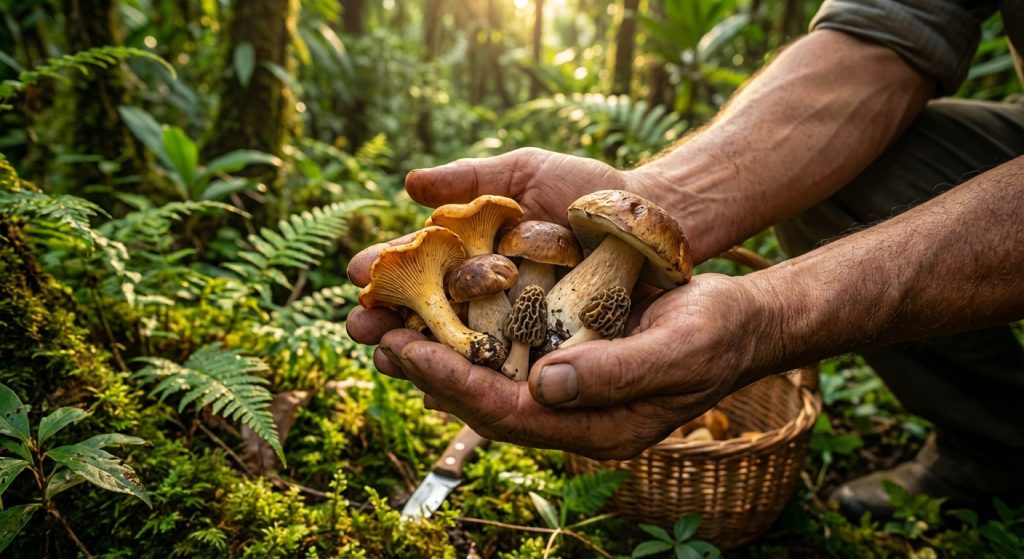
Mushroom foraging is particularly risky. Many mushrooms are poisonous. For example, the Death Cap (Amanita phalloides) is deadly. It can be mistaken for edible species. Therefore, only knowledgeable mycologists should forage for mushrooms. Many sources recommend avoiding wild mushrooms altogether unless you have expert guidance. For instance, learning about the role of fungi in forest ecosystems can provide context, but not identification skills.
The Ethical Dilemma: Commercial vs. Subsistence Foraging
There is a difference between foraging for personal use and commercial harvesting. Commercial foraging can put significant pressure on wild populations. It can lead to overexploitation. Therefore, it is crucial to consider the scale of your harvest. If you intend to sell wild foods, ensure you have permits and follow strict sustainability guidelines. This aligns with the principles of responsible supply sourcing.
Subsistence foraging, for personal consumption, is generally more sustainable. However, even then, ethical practices are vital. Always prioritize the health of the ecosystem. Remember that you are a part of nature, not its owner.
Conclusion: A Rewarding but Responsible Pursuit
Wild food foraging can be an incredibly rewarding experience. It connects you deeply with nature. It offers unique culinary adventures. However, it demands respect, knowledge, and caution. Always prioritize safety through accurate identification. Practice ethical harvesting to ensure sustainability. By understanding the risks and responsibilities, you can enjoy the bounty of Vietnam’s forests responsibly.
Frequently Asked Questions
Is it safe to eat wild plants in Vietnam?
It can be safe if you are an expert in identification. However, many wild plants are poisonous. Misidentification can lead to severe illness or death. Always be 100% sure before consuming any wild plant.
What are the biggest dangers of foraging?
The biggest dangers include mistaking poisonous plants for edible ones, environmental contamination (pesticides, heavy metals), and encountering venomous animals or insects. Uneven terrain can also cause injuries.
How can I identify edible wild mushrooms safely?
Mushroom identification is extremely difficult and dangerous. It is highly recommended to forage for mushrooms only with an experienced mycologist or to avoid them altogether. Never eat a mushroom unless you are absolutely certain of its identification.
What does “ethical foraging” mean?
Ethical foraging means harvesting responsibly. You should only take what you need. Avoid damaging plants or their habitats. Respect wildlife and ensure the long-term sustainability of wild food resources.
Are there any regulations for foraging in Vietnam?
Regulations can vary by region and protected area. It’s essential to research local laws before foraging. Some areas may require permits or prohibit foraging entirely to protect biodiversity.
