High-Tech Sea Walls vs. Nature: Coastal Defense Choices
Published on February 9, 2026 by Admin
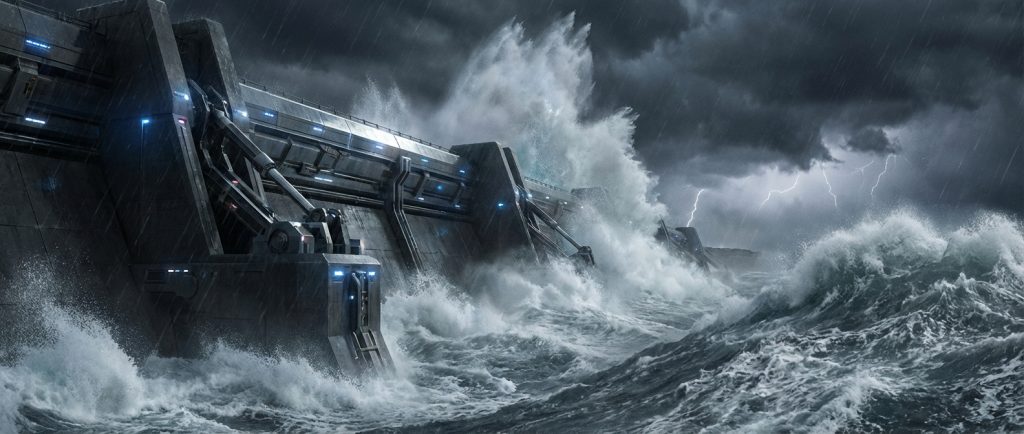
Cities worldwide face a growing threat. Rising sea levels and extreme weather are real dangers. Coastal communities need strong defenses. But what is the best approach? Should we build massive, high-tech sea walls? Or should we embrace nature-based solutions? This article explores both options. It helps urban planners and city dwellers understand the choices. We will look at the pros and cons of each. Ultimately, the best strategy might involve a blend of both.
The Case for High-Tech Sea Walls
High-tech sea walls are impressive feats of engineering. They are often made of concrete and steel. These structures are designed to withstand immense force. They offer a direct, physical barrier against the sea. For many years, this was the go-to solution. It provides a sense of security. Cities can feel protected from storm surges and flooding. These walls can be very effective in specific areas. They can be designed to a precise height. This ensures a certain level of protection.
Furthermore, these engineered solutions can be built quickly. They offer a rapid response to immediate threats. For cities with limited time, this is a major advantage. They can also be integrated with other infrastructure. For example, they might include roads or promenades. This dual functionality can be appealing. However, building these walls is expensive. The upfront cost is significant. Maintenance is also a continuous expense. These structures can also have negative environmental impacts.
Challenges with Engineered Defenses
While strong, high-tech sea walls have drawbacks. Firstly, they are rigid. They do not adapt well to changing conditions. If sea levels rise beyond their design, they can fail. This failure can be catastrophic. The force of the water can be immense. Moreover, these walls can alter coastal ecosystems. They can block natural sediment flow. This can harm beaches and marine life. They also offer little flexibility. Adapting them to future challenges is difficult and costly.
Another concern is the “hard versus soft” engineering debate. Hard defenses like sea walls can sometimes worsen erosion elsewhere. This is known as the “flanking effect.” Water might be redirected. It can then attack unprotected areas. Therefore, the protection is not always comprehensive. Finally, these structures can be visually unappealing. They can create a stark barrier between cities and the sea. This can reduce the aesthetic and recreational value of the coastline.
The Power of Nature-Based Solutions
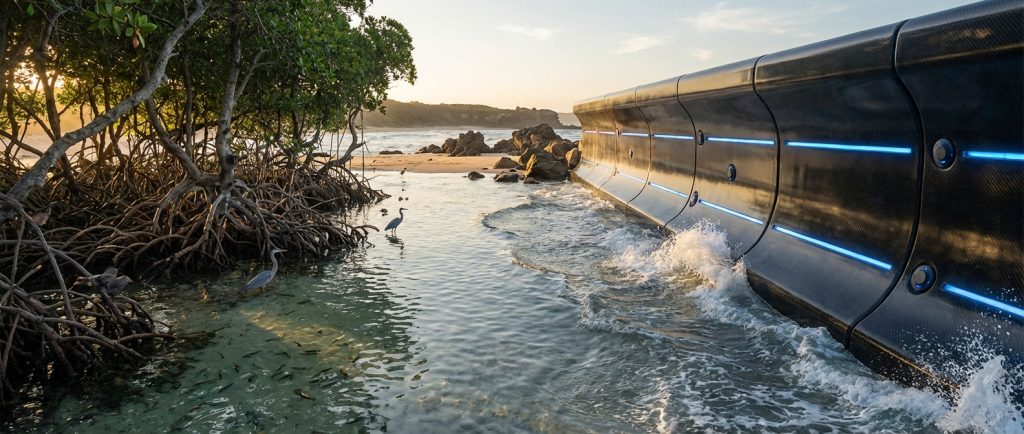
Nature-based solutions (NBS) offer a different approach. They harness natural processes and ecosystems. Examples include restoring mangrove forests, wetlands, and coral reefs. These natural systems act as buffers. They absorb wave energy. They also trap sediment. This helps build up coastlines. For instance, mangrove forests are incredibly effective. Their dense root systems stabilize shorelines. They also dissipate wave energy significantly.
Wetlands act like sponges. They absorb excess water. This reduces flooding inland. Coral reefs, while fragile, also break the force of waves. They protect coastlines from erosion. These solutions are often more cost-effective in the long run. They require less intensive maintenance. Furthermore, they provide numerous co-benefits. These include habitat creation for wildlife. They also improve water quality. Additionally, they can support local economies through ecotourism.
Benefits of Embracing Nature
The advantages of nature-based solutions are manifold. They are adaptable. Ecosystems can grow and change over time. This allows them to respond to rising sea levels. They also enhance biodiversity. This is crucial for ecological health. Moreover, they offer carbon sequestration. Forests and wetlands absorb CO2 from the atmosphere. This helps mitigate climate change itself. The aesthetic appeal is also a significant factor. Natural coastlines are often more beautiful and inviting. They offer recreational opportunities.
Consider the restoration of salt-tolerant mangroves. These are not just barriers. They are thriving ecosystems. They support fisheries and tourism. Similarly, healthy wetlands can filter pollutants. This improves water quality for communities. Therefore, NBS offer a holistic approach to coastal resilience. They integrate environmental, social, and economic benefits.
Challenges with Nature-Based Solutions
However, nature-based solutions are not without their challenges. Firstly, they may take longer to establish. Growing a mangrove forest takes time. Establishing a robust wetland ecosystem is also a process. This can be a concern for cities facing immediate threats. Secondly, their effectiveness can depend on the specific environment. Not all coastal areas are suitable for all types of NBS. For example, deepwater ports might not benefit as much from mangroves.
Furthermore, the scale of the solution is important. Some areas might require very large natural buffers. This might conflict with existing land use. Public perception can also be a hurdle. Some people may not see natural defenses as strong enough. They might prefer the perceived certainty of concrete. Education and demonstration projects are therefore vital. We need to build trust in these natural methods. Finally, the long-term health of these ecosystems is crucial. They can be vulnerable to pollution and climate change themselves.
Hybrid Approaches: The Best of Both Worlds?
Many experts now advocate for hybrid approaches. This means combining high-tech engineering with nature-based solutions. This strategy leverages the strengths of both. For example, a city might use a reinforced sea wall. However, it could be supplemented by a restored mangrove buffer in front of it. The sea wall provides immediate, strong protection. The mangroves absorb some of the wave energy. This reduces the stress on the wall. It also offers ecological benefits.
Another approach could involve using permeable materials for sea walls. This allows some water exchange. It can reduce negative ecological impacts. Or, engineered structures could be designed to mimic natural forms. This helps them integrate better with the environment. The goal is to create resilient coastlines. These coastlines can withstand climate impacts. They also support healthy ecosystems and communities. This integrated approach is often the most sustainable option. It offers greater long-term security.
Choosing the Right Strategy for Your City
Selecting the best strategy is not a one-size-fits-all decision. It requires careful assessment. Urban planners must consider several factors. These include the specific coastal environment. The severity of the threat is also key. Local resources and budget constraints are important. Community needs and preferences must also be taken into account.
A thorough risk assessment is the first step. This should identify vulnerabilities. It should also evaluate potential impacts. Next, different solutions can be modelled. Their effectiveness and costs should be compared. Importantly, the long-term sustainability of each option must be considered. This includes environmental, social, and economic factors. Engaging the community is essential. Their input can shape the best path forward. For instance, finding ways to integrate green spaces within urban development is crucial. This can be seen in initiatives like urban forests.
Frequently Asked Questions (FAQ)
What are the main differences between high-tech sea walls and nature-based solutions?
High-tech sea walls are engineered structures, typically made of concrete and steel, designed to provide a direct physical barrier against rising seas and storms. Nature-based solutions, on the other hand, utilize natural ecosystems like mangrove forests, wetlands, and coral reefs to absorb wave energy and reduce flooding.
Are nature-based solutions as effective as sea walls?
Nature-based solutions can be highly effective, often providing comparable or even superior protection in the long term, especially when combined with other strategies. They also offer significant co-benefits like habitat creation and carbon sequestration, which engineered solutions lack. However, their effectiveness can depend on the specific environment and may take longer to establish.
What are the costs associated with each approach?
High-tech sea walls often have high upfront construction costs and ongoing maintenance expenses. Nature-based solutions typically have lower upfront costs, but establishment can take time. Their long-term maintenance is generally less intensive, and they provide economic benefits through ecosystem services.
Can nature-based solutions be implemented in heavily urbanized areas?
Yes, nature-based solutions can be adapted for urban areas. This might involve restoring smaller wetlands, creating green roofs, or implementing permeable paving systems. Even small-scale interventions can contribute to overall resilience. For example, vertical aquaponics can enhance urban greening and food security.
What is a hybrid approach to coastal defense?
A hybrid approach combines engineered structures with nature-based solutions. For instance, a sea wall might be built with a natural buffer like a restored mangrove forest in front of it. This strategy aims to maximize protection while gaining ecological and economic benefits.
Conclusion
The choice between high-tech sea walls and nature-based solutions is complex. Each has its own merits and drawbacks. However, the growing understanding of climate change impacts suggests a shift. Nature-based solutions offer a more sustainable and resilient path. They provide ecological and economic co-benefits. Furthermore, hybrid approaches are increasingly recognized as the most effective strategy. They blend the strengths of both engineering and nature. By carefully assessing local conditions and embracing innovation, cities can build robust defenses. These defenses will protect communities. They will also foster healthier, more vibrant coastal environments for generations to come. A commitment to sustainability is key, much like in sustainable tourism.