
Corporate Water Stewardship in Vietnam’s Manufacturing Sector
Published on February 9, 2026 by Admin
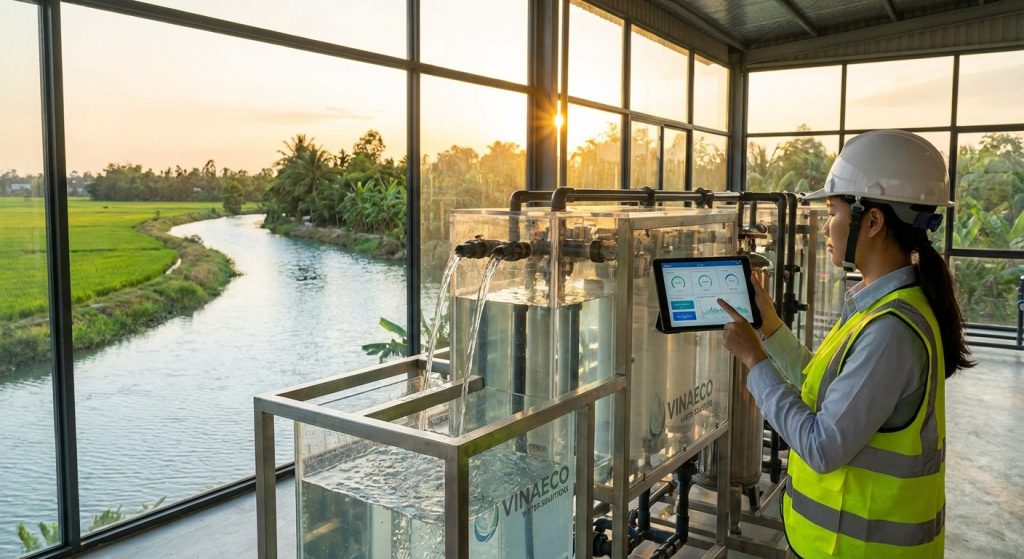
Water is a fundamental resource. It powers industries and sustains life. For Vietnam’s manufacturing sector, managing river use is crucial. This is especially true for industrial zone managers and environmentalists. Therefore, corporate water stewardship offers a path forward. It ensures sustainable water use. It also protects vital river ecosystems.
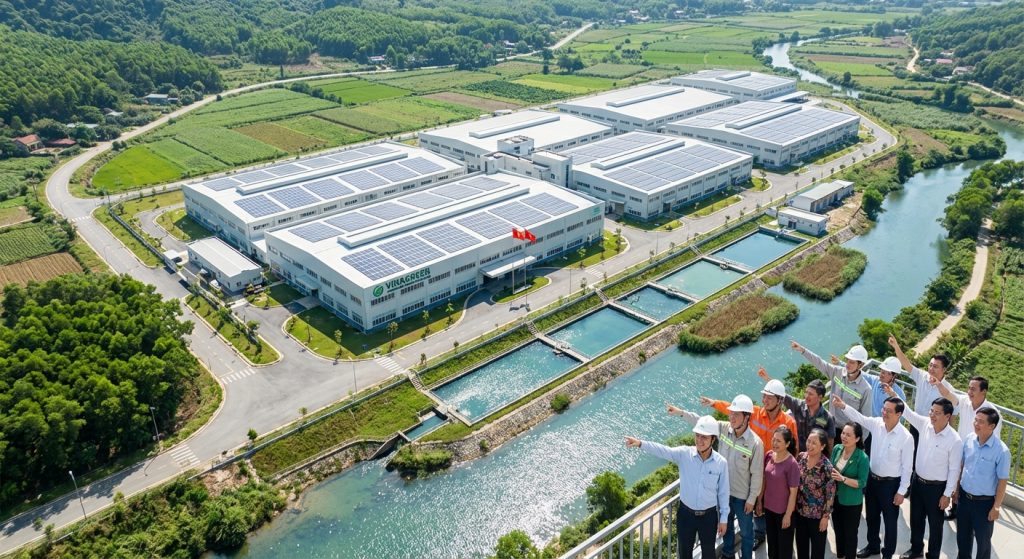
The Critical Role of Rivers in Vietnam’s Manufacturing
Vietnam’s rivers are lifelines. They support agriculture and communities. They also fuel industrial growth. Manufacturing relies heavily on water. It uses water for cooling and processing. Many factories are located near rivers. This proximity offers convenience. However, it also poses risks. Pollution is a major concern. Over-extraction is another. Consequently, responsible water management is no longer optional. It is an imperative.
Understanding Water Scarcity and Pollution Challenges
Vietnam faces growing water challenges. Rapid industrialization strains resources. Climate change exacerbates this. Increased droughts are common. This leads to water scarcity. At the same time, industrial wastewater can pollute rivers. Untreated discharge harms aquatic life. It also impacts human health. Therefore, industries must adopt better practices. They need to minimize their water footprint. They must also prevent pollution.
What is Corporate Water Stewardship?
Corporate water stewardship is proactive. It means managing water responsibly. This goes beyond mere compliance. It involves understanding water’s value. It also means assessing impacts. Companies commit to minimizing harm. They also aim to contribute positively. This involves collaboration. It includes working with communities and governments. The goal is shared water security. This is essential for long-term business success. It is also vital for environmental health.
Key Principles of Water Stewardship
Several principles guide water stewardship:
- Understanding Water Use: Knowing how much water is used. Also, where it comes from and where it goes.
- Assessing Impacts: Evaluating the effects of water use on the environment and community.
- Minimizing Footprint: Reducing water consumption and pollution.
- Engaging Stakeholders: Collaborating with others for better water management.
- Promoting Water Security: Working towards sustainable water availability for all.
Benefits for Vietnamese Manufacturing
Adopting water stewardship brings many benefits. Firstly, it reduces operational costs. Less water use means lower bills. Efficient processes also save energy. Secondly, it enhances brand reputation. Consumers and investors favor sustainable companies. This builds trust and loyalty. Thirdly, it mitigates risks. Water scarcity can halt production. Stricter regulations also pose threats. Stewardship helps avoid these issues.
Cost Savings and Operational Efficiency
Investing in water-efficient technologies pays off. For example, closed-loop systems recycle water. This significantly reduces intake. It also lowers discharge volumes. Furthermore, leak detection and repair prevent waste. Process optimization can also yield savings. Therefore, efficient water use directly impacts the bottom line.
Reputation and Stakeholder Relations
Companies known for good water practices gain an edge. They are seen as responsible corporate citizens. This attracts talent. It also strengthens relationships with local communities. Investors increasingly consider ESG factors. Good water stewardship improves ESG scores. This can lead to better access to capital. It also aligns with Vietnam’s ESG imperative.
Risk Mitigation and Resilience
Water-related risks are significant. Droughts can disrupt supply chains. Floods can damage infrastructure. Pollution incidents can lead to fines and lawsuits. Proactive water stewardship builds resilience. Companies are better prepared for water stress. They can navigate regulatory changes more easily. This ensures business continuity.
Implementing Water Stewardship in VN Manufacturing
Implementing water stewardship requires a strategic approach. It starts with a clear commitment from leadership. Then, companies need to assess their current situation. This involves water audits. They should also set measurable goals. Finally, continuous monitoring and improvement are key.
Water Audits and Footprint Assessment
A thorough water audit is the first step. It identifies all water sources. It also quantifies usage across different processes. Furthermore, it tracks wastewater discharge. This assessment helps understand the company’s water footprint. It highlights areas for improvement. For instance, a textile factory might find high water use in dyeing. It could then explore alternative dyeing technologies.
Setting Goals and Targets
Once the footprint is understood, goals can be set. These should be SMART: Specific, Measurable, Achievable, Relevant, and Time-bound. For example, a target might be to reduce freshwater withdrawal by 15% within three years. Or, to achieve zero untreated wastewater discharge by 2027. These targets drive action and accountability.
Technology and Innovation for Water Management
Various technologies can aid water stewardship. These include:
- Water-efficient fixtures and equipment: Low-flow taps, efficient cooling towers.
- Wastewater treatment systems: Advanced technologies to clean discharged water.
- Water recycling and reuse: Treating wastewater for non-potable uses like irrigation or cleaning.
- Smart monitoring systems: Sensors and data analytics to track water use in real-time.
These innovations are crucial for sustainable operations. They enable industries to do more with less water. This is particularly relevant in areas facing water scarcity solutions.
Collaboration and Community Engagement
Water issues are rarely solved by one entity alone. Collaboration is essential. Companies should engage with local communities. They can understand community needs. They can also share best practices. Partnerships with NGOs and government agencies are also vital. These collaborations can lead to watershed-level solutions. They can also foster trust and shared responsibility. For example, an industrial zone could work with local farmers. They might jointly invest in watershed protection initiatives.
Case Studies and Best Practices
Many companies are already leading the way. They demonstrate the value of water stewardship. For instance, some electronics manufacturers have implemented advanced water recycling. They achieve near-zero liquid discharge. Similarly, food and beverage companies are optimizing their water use. They often work with suppliers to promote sustainable agriculture. This upstream approach is also very effective. It addresses water use before it even enters the factory. Exploring sustainable supply chains is a key part of this.
Examples from Vietnam and Beyond
While specific Vietnamese examples are developing, global trends are clear. Companies in water-stressed regions often lead. They implement stringent water management plans. These plans include water footprinting and targets. They also focus on stakeholder engagement. Vietnam’s manufacturing sector can learn from these successes. It can adapt them to its unique context.
The Future of Water Management in VN Industry
The future of water management in Vietnam’s manufacturing sector looks towards integration. Water will be seen not just as a resource. It will be recognized as part of a larger ecosystem. Circular economy principles will become more important. This means maximizing resource use. It also means minimizing waste. Furthermore, digital technologies will play a larger role. AI and IoT will enable more precise monitoring and control. Ultimately, water stewardship will be central to long-term business viability.
Circular Water Systems and Zero Discharge
Moving towards circular water systems is the ultimate goal. This involves treating and reusing water as much as possible. Zero liquid discharge (ZLD) aims to eliminate wastewater discharge entirely. While challenging, it represents a significant environmental achievement. This aligns with broader circular economy principles.
The Role of Policy and Regulation
Government policies are crucial enablers. Clear regulations on water use and discharge are needed. Incentives for water-efficient technologies are also important. Vietnam’s commitment to environmental protection is growing. Policies supporting corporate water stewardship will likely strengthen. This will create a level playing field. It will also encourage greater adoption of best practices.
Frequently Asked Questions (FAQ)
What is the main challenge for river use in Vietnam’s manufacturing sector?
The main challenges are balancing industrial water needs with environmental protection. This includes managing water scarcity and preventing pollution from industrial wastewater discharge.
How can companies in Vietnam improve their water stewardship?
Companies can start with water audits to understand their usage. They should then set clear reduction targets. Investing in water-efficient technologies and engaging with stakeholders are also key steps.
Are there specific technologies that are most effective for water management in manufacturing?
Yes, technologies like advanced wastewater treatment, water recycling and reuse systems, and smart monitoring sensors are highly effective. Choosing the right ones depends on the specific industry and its water use patterns.
How does corporate water stewardship benefit the environment?
It benefits the environment by reducing water pollution, conserving freshwater resources, protecting aquatic ecosystems, and promoting overall watershed health. This contributes to a more sustainable future.
What is the role of government in promoting water stewardship?
Governments play a vital role by setting clear regulations, providing incentives for sustainable practices, and fostering collaboration among industries, communities, and environmental groups. They create the framework for responsible water management.
Conclusion
Corporate water stewardship is not just an environmental concern. It is a strategic imperative for Vietnam’s manufacturing sector. By embracing responsible water management, companies can achieve cost savings. They can also enhance their reputation. More importantly, they can contribute to the long-term health of Vietnam’s vital river systems. This proactive approach ensures a sustainable future for both industry and the environment. Therefore, industrial zone managers and environmentalists must work together. They need to champion these practices. The health of Vietnam’s rivers depends on it.
