
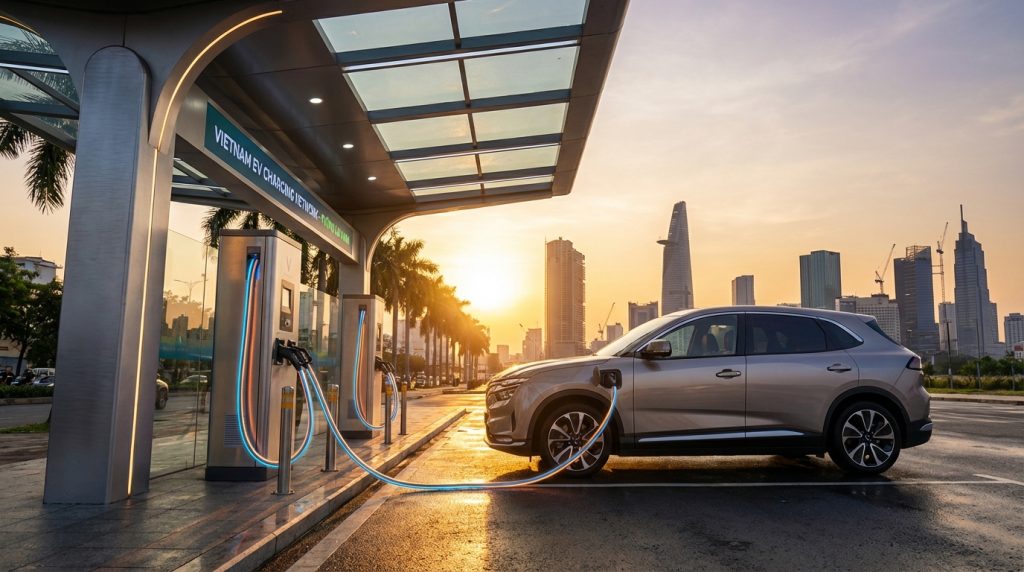
Electric mobility is transforming the automotive landscape. Vietnam is poised to lead this change. Scaling EV infrastructure is crucial for this transition. This article explores the challenges and opportunities. It focuses on building a robust charging network.
The Growing Demand for Electric Vehicles in Vietnam
Vietnam’s economy is growing rapidly. Consumer demand for personal transport is high. Electric vehicles (EVs) offer a cleaner alternative. Government policies are also encouraging EV adoption. This creates a strong market for electric mobility. However, existing infrastructure needs significant upgrades. This is a key hurdle for widespread EV use.
Current State of EV Infrastructure
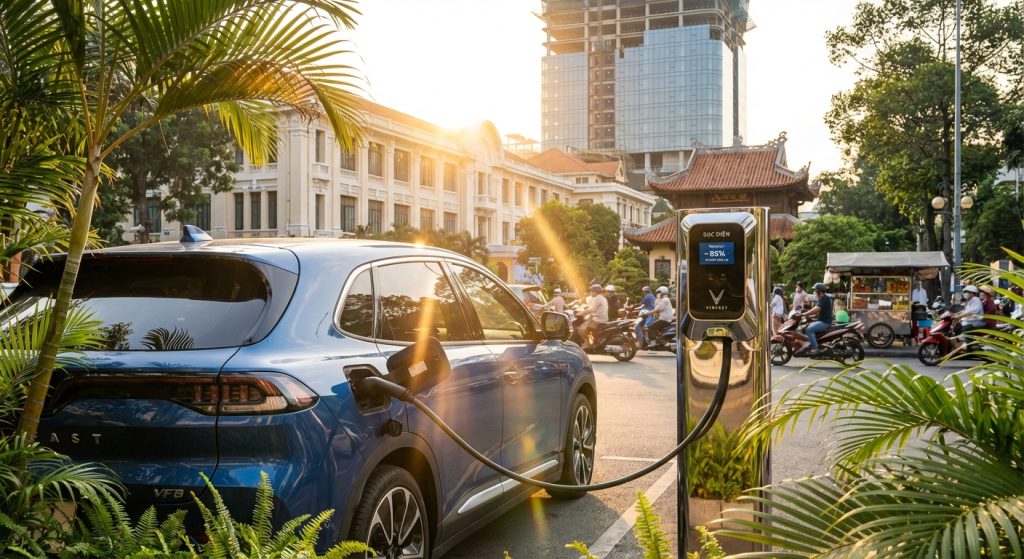
Currently, Vietnam’s EV charging infrastructure is nascent. It is concentrated in major cities. Most charging points are slow. Fast-charging stations are rare. This limits the practicality of long-distance EV travel. The lack of a widespread network creates range anxiety. This is a major deterrent for potential EV buyers. Furthermore, the grid capacity in some areas needs assessment. This is to ensure it can handle increased demand.
Challenges in Scaling Up
Several challenges hinder rapid scaling. These include high initial investment costs. Building a nationwide charging network is expensive. Secondly, there’s a need for standardized charging protocols. This ensures interoperability between different EV models. Grid stability is another concern. Heavy reliance on renewable energy sources is ideal. However, Vietnam is still developing its renewable energy capacity. Lastly, public awareness and education are vital. Many consumers are still unfamiliar with EV technology.
Key Pillars for Infrastructure Development
To overcome these challenges, a multi-faceted approach is needed. This involves strategic planning and investment. Collaboration between government, private sector, and manufacturers is essential. We need to build a comprehensive network. This network should cover urban and rural areas. It should also offer diverse charging speeds.
Government Support and Policy
Government policies play a pivotal role. Incentives for EV purchases are a good start. Tax breaks and subsidies can drive demand. Streamlining permit processes for charging station installation is also important. Clear regulations and standards are necessary. These ensure fair competition and consumer safety. The government can also invest in grid upgrades. This ensures sufficient power supply. Moreover, promoting local EV manufacturing can boost the ecosystem. This aligns with Vietnam’s industrial development goals.
Private Sector Investment and Innovation
The private sector is crucial for funding and deployment. Investment in charging station networks is key. Companies can develop innovative charging solutions. This includes smart charging technology. It also includes battery swapping stations. Partnerships with real estate developers can integrate charging. This allows for charging points in residential and commercial buildings. Energy companies can play a role. They can manage electricity supply and grid integration. Tech startups can offer solutions. These could be for charging management software or smart grid integration.
Technological Advancements
Technological innovation is vital. Faster charging speeds are essential. This reduces waiting times for EV users. Battery technology is also improving. This leads to longer ranges and lower costs. Smart grid technology allows for efficient power management. It can balance EV charging demand with other needs. Vehicle-to-grid (V2G) technology is another promising area. This allows EVs to supply power back to the grid. This can help stabilize the grid. It also offers potential revenue streams for EV owners.
Types of Charging Infrastructure Needed
A varied charging infrastructure is required. This caters to different user needs. Firstly, public charging stations are essential. These should be located in convenient places. Examples include shopping malls, public parking lots, and along highways. Secondly, home charging solutions are crucial. Many EV owners prefer charging at home overnight. Thirdly, workplace charging is beneficial. It encourages EV adoption among employees. Finally, fast-charging hubs are needed for long-distance travel. These should be strategically placed on major routes.
Fast Charging vs. Slow Charging
Both fast and slow charging have their place. Slow chargers are cheaper to install. They are ideal for overnight charging at home or at work. Fast chargers are more expensive. However, they are essential for public use. They offer quick top-ups for drivers on the go. A mix of both ensures flexibility. It caters to diverse user habits and needs.
Vietnam’s Potential and Future Outlook
Vietnam has strong potential in the EV market. Its young population is tech-savvy. The government is committed to green initiatives. The country’s strategic location in Southeast Asia is also an advantage. It can become a regional hub for EV manufacturing and technology. As infrastructure grows, EV adoption will accelerate. This will lead to cleaner air and reduced reliance on fossil fuels. The transition to electric mobility is not just about cars. It’s about building a sustainable future for transport.
Challenges and Opportunities for Transport Planners
Transport planners face unique challenges. They need to integrate new infrastructure. This must be done seamlessly with existing systems. Planning for grid capacity is vital. They must also consider urban planning. This includes space for charging stations. Public transport can also transition to electric. This offers greater efficiency and reduced emissions. Opportunities abound in creating smart city solutions. These integrate EVs into the urban fabric. It’s about creating a connected and sustainable transport ecosystem.
Frequently Asked Questions (FAQ)
What are the main government incentives for EV adoption in Vietnam?
Government incentives often include tax exemptions or reductions on EV purchases. There may also be subsidies for charging infrastructure development. Specific policies are subject to change, so checking the latest government announcements is recommended.
How will the electricity grid handle the increased demand from EVs?
Grid upgrades are a critical part of scaling EV infrastructure. This involves strengthening transmission and distribution networks. Smart grid technologies and demand-response programs will also play a role. Integrating renewable energy sources is key to ensuring a sustainable power supply.
What is the difference between AC and DC fast charging?
AC charging (also known as Level 1 and Level 2) uses the vehicle’s onboard charger. It is typically slower. DC fast charging bypasses the onboard charger. It delivers power directly to the battery. This allows for much faster charging times.
How can businesses benefit from installing EV charging stations?
Businesses can attract environmentally conscious customers. They can also offer a valuable amenity to employees. Installing charging stations can enhance a company’s green image. It can also provide a new revenue stream.
What is the role of battery swapping in EV infrastructure?
Battery swapping allows EV owners to quickly exchange a depleted battery for a fully charged one. This significantly reduces downtime compared to charging. It is particularly useful for ride-sharing services or commercial fleets.
Conclusion
Scaling EV infrastructure across Vietnam is a complex but achievable goal. It requires a concerted effort from all stakeholders. By addressing the challenges of investment, technology, and policy, Vietnam can build a leading EV ecosystem. This will not only benefit the automotive industry. It will also contribute to a cleaner, healthier environment for all citizens. The future of transport in Vietnam is electric, and the time to build that future is now.
