Building a Greener Future: LEED and Energy Efficiency
Published on February 9, 2026 by Admin
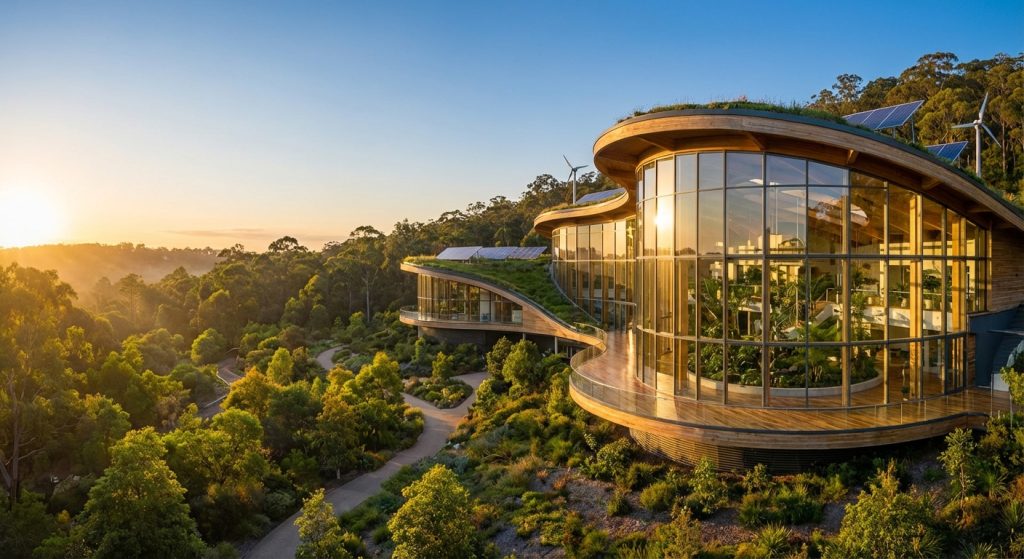
In today’s world, sustainability is more than a buzzword. It’s a necessity. This is especially true in the real estate sector. Developers and buyers alike are increasingly focused on energy efficiency. Green building certifications play a crucial role here. One of the most prominent is LEED. This article explores energy efficiency in real estate. It highlights the importance of LEED. We will also discuss its benefits for developers and property buyers.
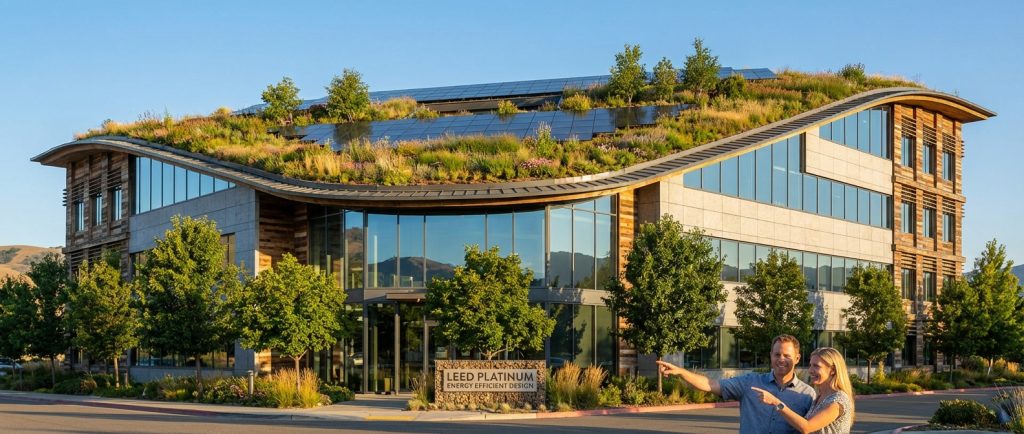
Why Energy Efficiency Matters in Real Estate
Energy efficiency is vital for several reasons. Firstly, it reduces operational costs. Buildings consume significant amounts of energy. This includes heating, cooling, lighting, and power for appliances. By using less energy, owners save money on utility bills. Therefore, this leads to lower overall expenses. This is a major draw for property buyers. They seek long-term savings.
Secondly, energy efficiency benefits the environment. Burning fossil fuels for energy releases greenhouse gases. This contributes to climate change. Green buildings minimize this impact. They use less energy. Consequently, they have a smaller carbon footprint. This aligns with global sustainability goals. It also appeals to environmentally conscious buyers.
Furthermore, energy-efficient buildings offer improved comfort. They often have better insulation. This leads to more stable indoor temperatures. Drafts are reduced. This creates a more pleasant living or working environment. In addition, good ventilation systems improve air quality. This is a significant health benefit.
Understanding LEED Certification
LEED stands for Leadership in Energy and Environmental Design. It is a globally recognized green building certification program. The U.S. Green Building Council (USGBC) developed it. LEED provides a framework for designing, constructing, and operating sustainable buildings. It covers various aspects of building performance. These include water efficiency, energy use, materials selection, and indoor environmental quality.
LEED certification is awarded based on a point system. Projects earn points for implementing green building strategies. There are different levels of certification: Certified, Silver, Gold, and Platinum. The higher the points, the higher the certification level. This encourages developers to strive for greater sustainability.
Key Components of LEED Certification
LEED addresses several key areas:
- Sustainable Sites: This category focuses on site selection. It also covers transportation, stormwater management, and heat island effect reduction.
- Water Efficiency: It promotes reducing water consumption. This includes using water-efficient fixtures and landscaping.
- Energy and Atmosphere: This is a core area. It emphasizes optimizing energy performance. It also covers refrigerant management and renewable energy use.
- Materials and Resources: This category encourages the use of sustainable materials. It also promotes waste reduction and recycling.
- Indoor Environmental Quality: It aims to improve occupant health and comfort. This includes air quality, lighting, and thermal comfort.
- Innovation in Design: This allows for innovative strategies not covered in other categories.
- Regional Priority: This recognizes projects that address geographically specific environmental priorities.
Benefits for Developers
Developers gain numerous advantages from pursuing LEED certification. Firstly, it enhances marketability. LEED-certified buildings are highly desirable. They signal a commitment to quality and sustainability. This can attract a wider range of tenants and buyers. It also allows for premium pricing. In many cases, LEED buildings command higher rents and sale prices. This is because of their lower operating costs and enhanced features.
Moreover, LEED certification can lead to financial incentives. Some local governments offer tax abatements or grants for green buildings. Lenders may also offer more favorable loan terms for LEED projects. These incentives can offset some of the initial costs of green building. You can learn more about the financial aspects of sustainability in our article on Green Finance: Alpha Returns for Impact Investors.
Furthermore, LEED projects often experience reduced construction costs in the long run. While some green materials or technologies might have higher upfront costs, they can lead to savings over the building’s lifecycle. For instance, improved energy efficiency reduces utility bills. Water conservation measures lower water costs. Also, durable, sustainable materials may require less maintenance. Therefore, this reduces long-term expenses.
Additionally, LEED certification can improve operational efficiency. The focus on building systems and occupant comfort leads to better-performing buildings. This can reduce maintenance issues. It also enhances tenant satisfaction. This is a significant advantage for commercial property owners. It can lead to lower vacancy rates.
Advantages for Property Buyers
For property buyers, LEED certification translates into tangible benefits. The most significant is reduced utility costs. Energy-efficient homes and offices use less electricity, gas, and water. As a result, monthly bills are lower. This provides immediate and ongoing financial savings. This is a compelling reason for many buyers to choose LEED-certified properties.
In addition, LEED buildings offer superior indoor environmental quality. This means better air quality, more comfortable temperatures, and improved natural lighting. These factors contribute to enhanced occupant health and well-being. Reduced exposure to pollutants can lead to fewer respiratory problems and allergies. Also, a more comfortable environment can boost productivity and overall happiness. This is particularly important for homes and workplaces.
LEED-certified properties often have higher resale values. The market increasingly recognizes the value of sustainability. Buyers are willing to pay a premium for homes and buildings that are energy-efficient and environmentally responsible. Therefore, investing in a LEED-certified property can be a sound financial decision. It offers long-term appreciation potential.
Moreover, owning or occupying a LEED-certified building offers a sense of pride. It demonstrates a commitment to environmental stewardship. This aligns with the values of many individuals and corporations. It can enhance a company’s brand image. For homeowners, it signifies a responsible lifestyle choice. This connection to a larger purpose is increasingly important to consumers.
The Role of Energy Efficiency in Different Property Types
Energy efficiency and LEED principles apply across various property types. For residential buildings, this means better insulation, high-efficiency windows, and smart thermostats. It also includes efficient appliances and lighting. These features significantly reduce household energy consumption.
In commercial spaces, energy efficiency is paramount. Office buildings, retail spaces, and hospitality venues are major energy consumers. LEED strategies in these sectors focus on optimized HVAC systems, LED lighting, and smart building management systems. These systems can monitor and control energy usage in real-time. This leads to substantial savings. The focus on a healthy indoor environment also boosts employee well-being and productivity. You can find more insights on creating healthier environments in our article on Biophilic Office Spaces: Nature’s Boost for Your Workforce.
Industrial buildings also benefit from energy efficiency. Manufacturing facilities often have high energy demands. Implementing energy-saving measures in production processes, lighting, and HVAC can lead to significant cost reductions. Furthermore, waste heat recovery systems can be integrated. This further improves efficiency. We discuss similar themes in Net Zero Vietnam 2050: Heavy Industry’s Green Roadmap.
Challenges and Considerations
Despite the clear benefits, there are challenges. The initial cost of implementing green building strategies can be higher. This might deter some developers or buyers. However, it’s crucial to consider the long-term return on investment. Payback periods for energy-efficient upgrades are often shorter than perceived. Therefore, thorough cost-benefit analysis is essential.
Another consideration is the availability of skilled labor. Designing and constructing LEED-certified buildings requires specialized knowledge. Developers need to ensure their teams are trained in green building practices. This includes architects, engineers, and construction workers. Access to sustainable materials can also be a factor. However, the market for green building materials is growing rapidly.
Education is also key. Many potential buyers and tenants may not fully understand the benefits of LEED certification. Therefore, clear communication and marketing are vital. Developers and real estate professionals need to educate the market about the value proposition of green buildings. This includes highlighting the cost savings, health benefits, and environmental impact.
The Future of Green Buildings
The trend towards green buildings is only accelerating. As environmental concerns grow, so does the demand for sustainable properties. Governments are also implementing stricter building codes and offering more incentives for green construction. This creates a favorable environment for LEED and other green building certifications.
Innovations in materials science and technology are continually improving building performance. Smart home technology, advanced insulation, and renewable energy integration are becoming more accessible. This makes it easier and more cost-effective to achieve higher levels of energy efficiency. The future of real estate is undoubtedly green. LEED certification is a proven pathway to achieving this vision.
Frequently Asked Questions (FAQ)
What is LEED and why is it important?
LEED (Leadership in Energy and Environmental Design) is a green building certification system. It’s important because it provides a framework for creating healthy, efficient, and cost-saving green buildings. It’s recognized globally.
Are LEED buildings more expensive to build?
While some green features might have a higher upfront cost, LEED buildings often lead to long-term savings. These savings come from reduced energy and water bills. Many studies show that the total cost of ownership for LEED buildings is often lower.
How does LEED certification benefit property buyers?
Property buyers benefit from lower utility bills, improved indoor comfort and air quality, and higher resale values. They also contribute to environmental sustainability.
What are the different levels of LEED certification?
LEED certification has four levels: Certified, Silver, Gold, and Platinum. These levels are based on the number of points a project earns for implementing sustainable strategies.
Does LEED only focus on energy efficiency?
No, LEED is a comprehensive rating system. It covers energy efficiency, but also water efficiency, materials and resources, indoor environmental quality, sustainable sites, and innovation.
Conclusion
Energy efficiency in real estate is no longer a niche concern. It is a fundamental aspect of modern development and investment. LEED certification offers a robust and credible framework for achieving this. For developers, it means enhanced marketability, financial incentives, and long-term value. For property buyers, it translates to lower operating costs, healthier living environments, and increased property value. As the world moves towards a more sustainable future, green buildings like those certified by LEED will become the standard, not the exception. Embracing these principles is an investment in a healthier planet and a more prosperous future for all.