
The Rise of Eco-Leathers: Pineapple & Mushroom in Vietnam
Published on February 9, 2026 by Admin
The fashion industry is changing. Consumers want better choices. They seek style that aligns with their values. Ethical fashion is no longer a niche. It is a growing movement. This movement is driven by sustainability. It focuses on reducing environmental impact. It also prioritizes fair labor practices. In Vietnam, this shift is creating new opportunities. Innovative materials are emerging. These materials offer alternatives to traditional leather. Specifically, pineapple and mushroom leathers are gaining traction.
These bio-based materials are exciting. They offer a glimpse into fashion’s future. For designers, they provide creative freedom. For buyers, they offer conscious consumption. This article explores this exciting trend. We will look at what these materials are. We will also discuss their benefits. Furthermore, we will examine their impact on Vietnam’s fashion scene.
Understanding New Materials: Piñatex and Mycelium Leather
Let’s first understand these innovative materials. They come from unexpected sources. These sources are abundant in nature. They offer sustainable solutions.
Piñatex: From Pineapple Leaves to Luxury
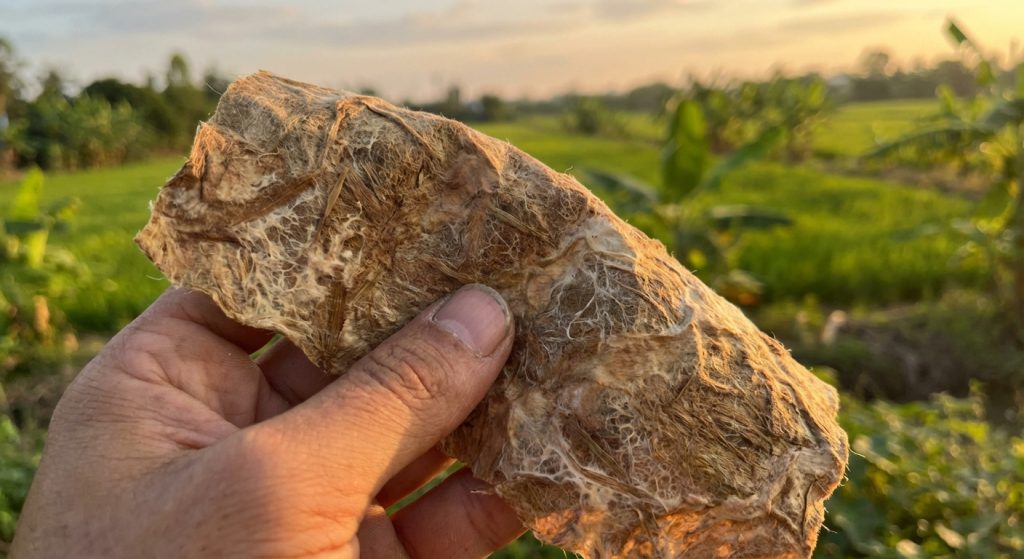
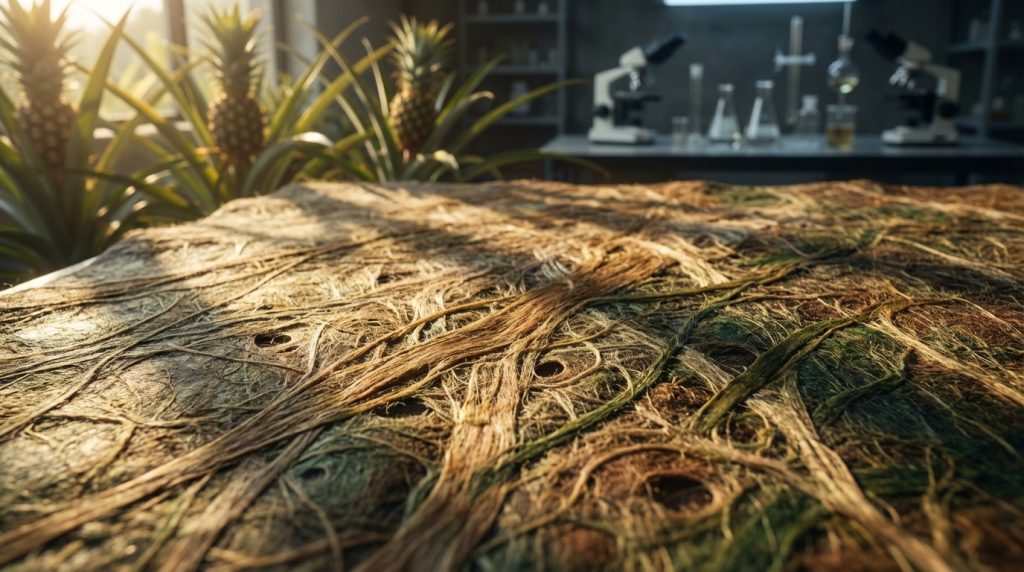
Piñatex is a prime example. It is a leather alternative. It is made from pineapple leaf fibers. These fibers are a byproduct of pineapple farming. This is a significant advantage. It utilizes waste material. It supports agricultural communities. The process involves extracting long fibers. These fibers are then processed. They are cleaned and dried. Next, they are converted into a non-woven mesh. This mesh forms the base of the material. Finally, it is finished to resemble leather. It can be dyed and treated. This makes it versatile for various fashion items.
The creation of Piñatex is ingenious. It transforms agricultural waste. It creates a valuable resource. This reduces the need for animal leather. It also lessens the environmental burden. Traditional leather production has issues. These include water usage and waste. Animal agriculture also contributes to emissions. Piñatex offers a compelling alternative. It is also biodegradable. This is a key benefit for eco-conscious consumers.
Mycelium Leather: The Fungal Revolution
Another exciting material is mycelium leather. Mycelium is the root structure of fungi. It grows in a network. This network can be cultivated. It can be grown into specific shapes. Companies are now growing mycelium. They use it to create leather-like materials. The process is relatively simple. Mycelium is fed organic matter. It grows rapidly. It forms a dense mat. This mat can then be processed. It is tanned and finished. This results in a material that is strong and durable. It also has a unique texture.
Mycelium leather is highly sustainable. It requires minimal resources. It can be grown quickly. It also uses agricultural waste as a substrate. This further enhances its eco-credentials. Furthermore, it is fully biodegradable. This makes it an excellent choice for the circular economy. Its potential in fashion is immense. It can be used for bags, shoes, and apparel. It offers a unique aesthetic. It also provides a clear conscience for buyers.
The Environmental and Ethical Advantages
The rise of these materials is significant. It stems from clear environmental and ethical benefits. These are crucial factors for modern consumers. They are also key drivers for responsible brands.
Reducing Environmental Footprint
Firstly, these materials drastically reduce environmental impact. Traditional leather production is resource-intensive. It uses vast amounts of water. It also generates significant pollution. Furthermore, animal agriculture has a large carbon footprint. Pineapple and mushroom leathers offer a cleaner path. They utilize waste streams. They require less water and energy to produce. For example, Piñatex uses pineapple leaves. These are often discarded after harvest. This turns waste into value. Similarly, mycelium grows on agricultural byproducts.
Moreover, these materials are often biodegradable. This means they will break down naturally. They will not persist in landfills for centuries. This is a stark contrast to synthetic alternatives. Many synthetic leathers are made from plastic. They contribute to microplastic pollution. Therefore, these plant-based and fungal materials are a much better choice. They contribute to a more circular economy. They also help reduce reliance on animal products. This aligns with growing consumer demand for ethical sourcing.
Ethical Sourcing and Animal Welfare
Secondly, these alternatives address animal welfare concerns. Many consumers are increasingly uncomfortable with animal products. They are seeking cruelty-free options. Pineapple and mushroom leathers provide exactly that. They are entirely plant-based or fungal. No animals are harmed in their production. This is a major ethical advantage. It allows consumers to enjoy fashionable items. They can do so without compromising their values. This is particularly important in an industry often criticized for its practices.
Furthermore, the production of these materials can empower local communities. For instance, Piñatex supports pineapple farmers. It provides an additional income stream. This can lead to more sustainable farming practices. It can also improve livelihoods. This social aspect is as important as the environmental one. It contributes to a more holistic approach to ethical fashion.
Vietnam’s Role in the Eco-Leather Revolution
Vietnam is well-positioned to lead this revolution. The country has a strong agricultural base. It also has a growing manufacturing sector. This combination is ideal for producing these new materials.
Leveraging Agricultural Resources
Vietnam is a major producer of pineapples. This means there is a ready supply of pineapple leaves. This is the primary raw material for Piñatex. Therefore, Vietnam can become a hub for its production. The infrastructure for processing agricultural byproducts is already present. This allows for efficient scaling. Local farmers can benefit greatly. They can find new uses for their crops. This diversifies their income. It also promotes more sustainable farming. This is a win-win situation for all stakeholders involved.
Developing Manufacturing Expertise
Vietnam also has a skilled workforce. The country has a strong textile and garment manufacturing industry. This expertise can be adapted. It can be used to process and finish these new materials. Companies can develop specialized factories. These factories can focus on creating high-quality eco-leathers. This will create new jobs. It will also foster innovation. Designers can then work with these materials. They can create unique and sustainable fashion products. This will enhance Vietnam’s reputation. It will position the country as a leader in sustainable fashion.
The government can also play a role. Policies supporting sustainable material innovation can be introduced. This could include grants and incentives. Such support would accelerate growth. It would encourage more businesses to invest. Ultimately, this will benefit the entire fashion ecosystem. It will also contribute to Vietnam’s green economy goals.
Challenges and Opportunities for Designers and Buyers
While the future is bright, there are challenges. These need to be addressed for widespread adoption. However, the opportunities are also immense.
Addressing Production Costs and Scalability
One key challenge is production cost. Currently, these materials can be more expensive. This is due to newer manufacturing processes. Scaling up production is also a hurdle. It requires significant investment. However, as demand grows, economies of scale will kick in. Prices are expected to fall. This will make them more accessible. Designers need to be aware of this. They must consider the cost implications. Buyers should also understand this. They should be willing to invest a bit more. This investment supports a better future.
Educating Consumers and Building Trust
Another challenge is consumer education. Many people are unfamiliar with these materials. They may be skeptical. Building trust is therefore essential. Brands need to be transparent. They should clearly communicate the benefits. They should explain the sourcing and production. This builds confidence. It helps consumers make informed choices. Marketing efforts are crucial here. They should highlight the sustainability and ethical aspects. This will drive demand. Buyers are increasingly seeking these qualities. They want to feel good about their purchases. This is where the real opportunity lies.
For designers, the opportunity is creative. These materials offer new textures and possibilities. They can be used to create unique statements. They can push the boundaries of design. This is an exciting time for innovation. It allows for differentiation. It helps brands stand out. It also caters to a growing market segment. This segment values sustainability and ethics.
The Future of Fashion: A Greener Path
The rise of pineapple and mushroom leather in Vietnam is more than a trend. It is a sign of a significant shift. The fashion industry is moving towards sustainability. These innovative materials are leading the way. They offer stylish, ethical, and eco-friendly alternatives. This is good news for designers. It is also great news for consumers. They can now make choices that reflect their values. As these materials become more accessible, their impact will grow. They will shape the future of fashion.
Vietnam, with its resources and manufacturing prowess, is poised to be a key player. By embracing these innovations, the country can solidify its position. It can become a global leader in sustainable fashion. This journey is just beginning. The possibilities are truly exciting. It is a step towards a more responsible and conscious industry. This is a future we can all feel good about.
Frequently Asked Questions (FAQ)
What are the main benefits of using pineapple and mushroom leather?
These materials are highly sustainable. They reduce environmental impact significantly. They utilize agricultural waste. They are often biodegradable. Furthermore, they offer a cruelty-free alternative to animal leather. This addresses ethical concerns.
Is pineapple leather durable?
Yes, Piñatex is known for its durability. It is a strong material. It can withstand regular wear and tear. It is also versatile. It can be used for various fashion items.
How does mushroom leather compare to traditional leather?
Mushroom leather offers similar durability and texture to traditional leather. However, it has a much lower environmental impact. It is also biodegradable. This makes it a more sustainable option.
Can these materials be used for all types of clothing and accessories?
Absolutely. Both Piñatex and mycelium leather are versatile. They can be used for footwear, handbags, jackets, wallets, and more. Their finishing can be adapted to suit different design needs.
What is the current price point of these eco-leathers compared to traditional leather?
Currently, these innovative materials can be more expensive than traditional leather. This is due to their newer production processes and scale. However, as production scales up, prices are expected to decrease. This will make them more competitive.
How can consumers identify products made from these eco-leathers?
Look for clear labeling from brands. Many sustainable brands are transparent about their materials. They will often highlight the use of Piñatex or mycelium leather. Certifications can also provide assurance.
