
Micro-grids for Rural VN: Energy Independence with Renewables
Published on February 9, 2026 by Admin
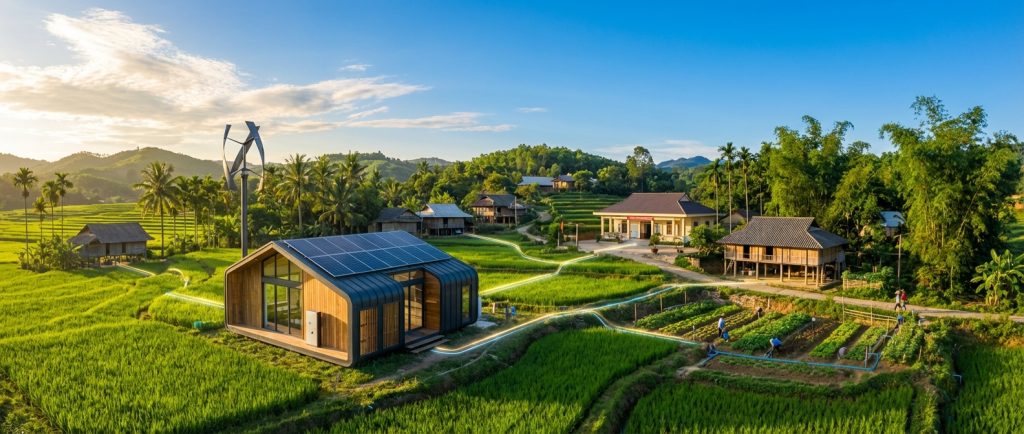
Rural communities in Vietnam often face challenges with electricity access. This can hinder development and daily life. However, a powerful solution is emerging: micro-grids. Specifically, those powered by solar and wind energy offer a path to energy independence. These systems bring reliable power to remote areas. Therefore, they can transform lives and local economies. This article explores how micro-grids can empower rural Vietnam.
What is a Micro-Grid?
A micro-grid is a small, localized power grid. It can operate independently or connect to the main national grid. It typically includes distributed energy resources. These can be solar panels, wind turbines, or small generators. Micro-grids also have control systems. These manage power generation and distribution. They can also store energy in batteries. This ensures a stable power supply.
For rural areas, micro-grids are ideal. They overcome limitations of the main grid. Extending the national grid can be expensive. It is often impractical for very remote locations. Micro-grids offer a cost-effective alternative. They provide power where it’s needed most. Therefore, they are a key tool for rural development.
The Power of Solar and Wind
Solar and wind energy are abundant resources in Vietnam. Solar power is readily available. The country receives ample sunshine throughout the year. Wind power is also significant, especially in coastal regions. These renewable sources are clean. They do not produce greenhouse gases. Thus, they help combat climate change. They also reduce reliance on fossil fuels.
Using solar and wind for micro-grids offers many benefits. Firstly, the fuel is free once the infrastructure is in place. Secondly, the technology is becoming more affordable. Prices for solar panels and wind turbines have fallen significantly. This makes them a viable option for rural communities. Furthermore, these technologies are scalable. They can be adapted to meet different energy needs.
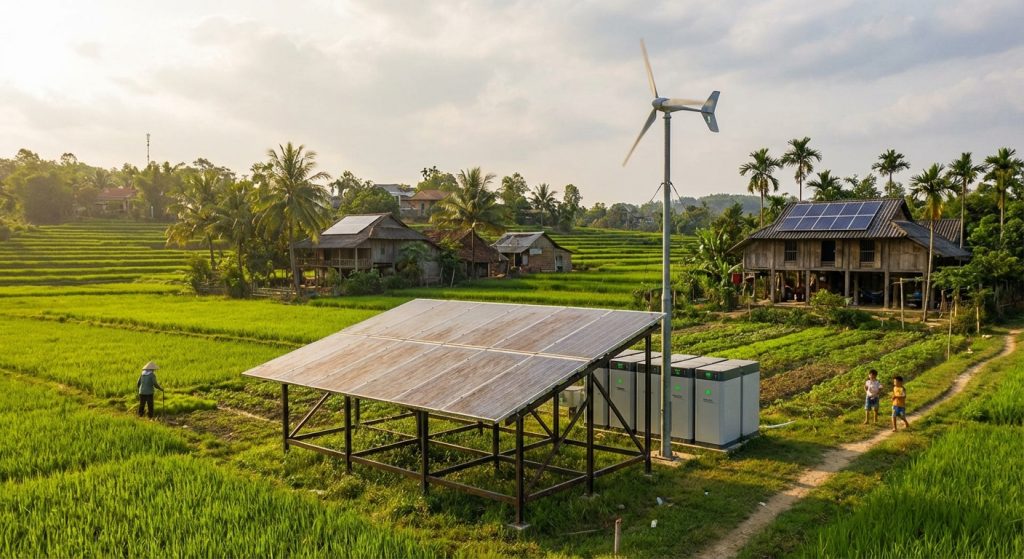
Benefits of Rural Micro-Grids in Vietnam
Micro-grids bring transformative changes to rural life. Energy independence is a major advantage. Communities are no longer dependent on unreliable main grid power. This means consistent electricity for homes and businesses. It enables longer working hours for small enterprises. It also powers essential services like schools and health clinics.
Moreover, micro-grids can boost local economies. They support new business opportunities. For instance, small manufacturing or agricultural processing can thrive. Reliable power also attracts investment. It improves the quality of life for residents. Children can study after dark. Families can use modern appliances. Therefore, the overall well-being of the community increases.
Additionally, micro-grids contribute to environmental sustainability. By using renewable energy, they reduce carbon emissions. This is crucial for Vietnam, a country vulnerable to climate change impacts. It also helps in meeting national renewable energy targets. In conclusion, micro-grids are a win-win for both people and the planet.
Challenges and Solutions
Implementing micro-grids is not without its challenges. Initial investment costs can be high. This includes the cost of solar panels, wind turbines, batteries, and control systems. Maintenance and technical expertise are also crucial. Rural areas may lack skilled personnel to maintain the systems. Furthermore, regulatory frameworks can sometimes be complex.
However, these challenges are surmountable. Firstly, various funding models exist. These include government subsidies, international aid, and private sector investment. For example, green finance initiatives can support renewable energy projects. Secondly, training programs can build local capacity. This ensures proper operation and maintenance. Thirdly, clear government policies can streamline implementation. They can also encourage private sector participation.
Another important aspect is energy storage. Solar and wind power are intermittent. They depend on weather conditions. Therefore, effective battery storage is essential. This allows energy to be stored when generation is high. It can then be used when generation is low. Advanced battery technologies are improving rapidly. This makes them more efficient and affordable. As a result, energy storage is becoming less of a barrier.
Case Studies and Examples
Several successful micro-grid projects are already underway. These demonstrate the potential of this technology. For instance, some remote islands have adopted solar micro-grids. They have seen significant improvements in power reliability. Similarly, agricultural communities are using micro-grids to power irrigation systems. This increases crop yields and reduces water waste.
In Vietnam, there is growing interest in such projects. The government is promoting renewable energy. Pilot projects are being explored in different provinces. These initiatives showcase the benefits of localized energy generation. They provide valuable lessons for future large-scale deployments. Ultimately, these examples serve as a blueprint for broader adoption. They inspire confidence in the feasibility of micro-grids.
The Role of Energy Firms
Energy firms play a vital role in this transition. They possess the technical expertise and capital needed for large-scale projects. They can partner with rural communities. They can also work with the government. This collaboration is key to successful micro-grid development. Energy firms can offer innovative solutions. They can also provide ongoing maintenance services.
Furthermore, energy firms can help in developing business models. These models should ensure the long-term sustainability of micro-grids. They can also explore financing options. This includes attracting private investment. Moreover, they can contribute to policy development. This helps create a supportive environment for renewable energy.
Future Outlook
The future of micro-grids in rural Vietnam looks promising. Technological advancements continue to lower costs. Efficiency is also increasing. Government support for renewable energy is growing. As a result, more communities will likely benefit from energy independence. Micro-grids are not just about electricity. They are about empowering people. They are about building a sustainable future for rural Vietnam. Therefore, continued investment and innovation are crucial. The potential for positive impact is immense.
Frequently Asked Questions (FAQ)
How much does a micro-grid typically cost?
The cost of a micro-grid varies greatly. It depends on its size, technology used (solar, wind, battery storage), and location. Initial investments can range from tens of thousands to millions of dollars. However, the long-term savings on fuel and grid connection make them cost-effective over time.
Are micro-grids reliable in all weather conditions?
While solar and wind power are intermittent, micro-grids are designed for reliability. They use battery storage to ensure a consistent power supply. Hybrid systems, combining different renewable sources or including backup generators, also enhance reliability. Advanced control systems manage energy flow effectively.
What is the lifespan of solar panels and wind turbines in a micro-grid?
Solar panels typically have a lifespan of 25-30 years. Wind turbines can last 20-25 years. Battery storage systems usually have a lifespan of 10-15 years, depending on the technology and usage. Regular maintenance is key to maximizing their operational life.
Who owns and operates rural micro-grids?
Ownership and operation models vary. They can be owned and operated by the community itself, a local cooperative, a private energy company, or a government entity. Community involvement is often crucial for long-term success and acceptance.
How do micro-grids impact the environment?
Micro-grids powered by solar and wind are environmentally friendly. They produce little to no greenhouse gas emissions during operation. This helps combat climate change. They also reduce reliance on fossil fuels, which have significant environmental drawbacks.
