
Regenerative Design: Beyond “Sustainability” to Active Restoration
Published on February 9, 2026 by Admin
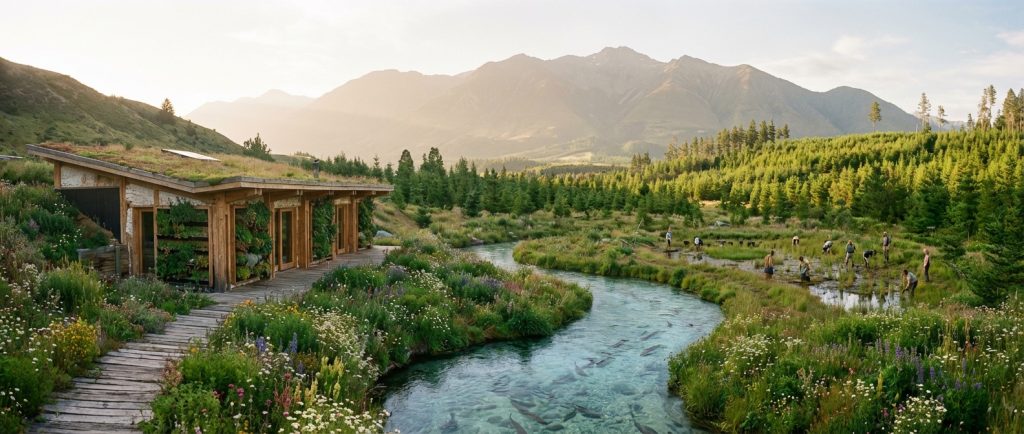
Sustainability. It’s a word we hear everywhere. It means meeting our needs now. It also means not harming future generations. But what if we could do more? What if we could actively heal the planet? This is the core idea of regenerative design. It goes beyond just reducing harm. It aims to restore and improve ecosystems.
Traditional sustainability often focuses on doing less damage. This includes reducing waste and emissions. It also means using fewer resources. Regenerative design, however, is proactive. It seeks to rebuild and enhance natural systems. Architects and futurists are increasingly embracing this approach. They see it as the next evolution in creating a better world.
The Evolution from Sustainability to Regeneration
For decades, “sustainability” has been the guiding principle. It pushed us to be more efficient. It made us consider our environmental impact. However, many argue that sustainability alone is not enough. Our planet faces significant challenges. Climate change is a major concern. Biodiversity loss is accelerating. Pollution continues to threaten ecosystems.
Therefore, a new paradigm is needed. Regenerative design offers this. It views buildings and landscapes not as isolated structures. Instead, it sees them as integral parts of living systems. This means designing with nature, not against it. It’s about creating positive impacts. It’s about leaving places better than we found them.
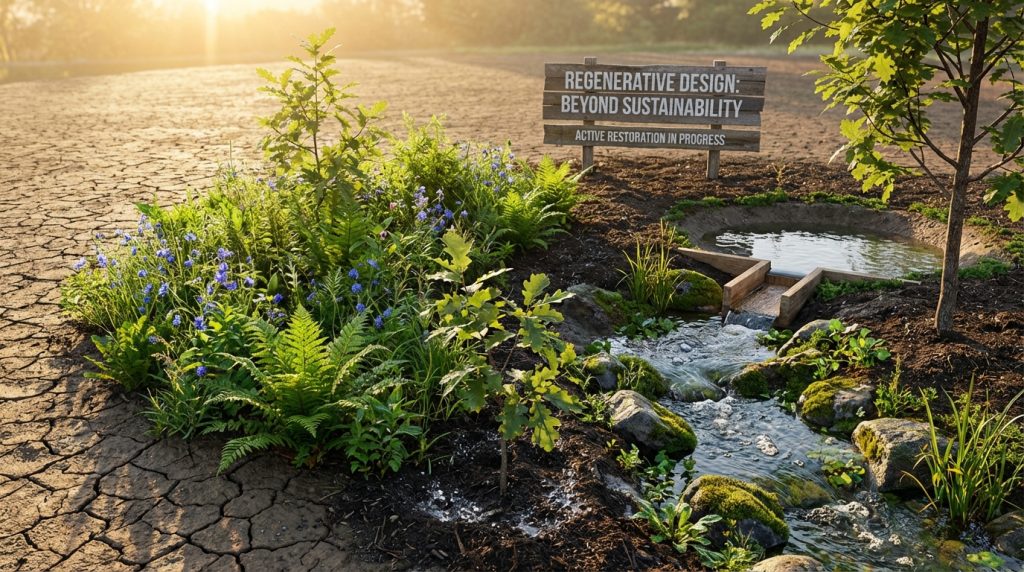
Firstly, regenerative design shifts our perspective. We move from a linear “take-make-dispose” model. We adopt a cyclical, living systems approach. This involves understanding ecological processes. It requires mimicking natural patterns. For example, a regenerative building might capture and filter rainwater. It could also generate its own energy. Furthermore, it might provide habitat for local wildlife.
Key Principles of Regenerative Design
Regenerative design is built on several core principles. These principles guide the process. They ensure that projects contribute positively to their environment. Understanding these is crucial for architects and futurists.
1. Living Systems Thinking
At its heart, regenerative design sees everything as a living system. This includes buildings, communities, and landscapes. Everything is interconnected. Changes in one part affect the whole. Therefore, we must design with a holistic view. We need to consider how our interventions interact with natural cycles.
For instance, designing a new development means looking beyond the site itself. We must consider the watershed. We also need to think about local biodiversity. Furthermore, we should consider the social and economic well-being of the community. This interconnected approach is vital for true regeneration.
2. Place-Based Design
Regenerative design is deeply rooted in its specific location. It respects the unique characteristics of a place. This includes its climate, geology, and ecology. It also considers its cultural context. Therefore, designs are not generic. They are tailored to respond to local conditions.
For example, a building in a desert region will have different needs. It will require different strategies than one in a temperate rainforest. This place-based approach ensures that designs are appropriate. It also helps to enhance the local environment. It supports the unique qualities of a region.
3. Active Restoration
This is a key differentiator. Regenerative design actively seeks to restore degraded systems. It doesn’t just aim to maintain the status quo. It aims to improve it. This could involve restoring soil health. It might also involve reintroducing native species. Furthermore, it can include improving water quality.
Think of a construction project that revitalizes a polluted river. Or a landscape design that creates new habitats for endangered species. These are examples of active restoration. They go far beyond simply minimizing negative impacts. They create net positive environmental change. This aspect is crucial for addressing current ecological crises.
4. Whole Systems Integration
Regenerative projects integrate various systems. This includes energy, water, waste, and food systems. They are designed to work together. This creates a more resilient and efficient outcome. For example, waste heat from one process might warm another. Captured rainwater could irrigate green spaces.
This integration creates synergistic effects. It mimics the way natural ecosystems function. Everything serves multiple purposes. This holistic approach is essential for creating truly sustainable and regenerative places. It also leads to innovative solutions. For instance, we can explore algae facades for buildings. These can produce oxygen and even fuel.
Beyond Net-Zero: Towards Net-Positive
The concept of “net-zero” has been a significant step. It signifies balancing emissions. However, regenerative design pushes further. It aims for “net-positive” outcomes. This means the project contributes more to the environment than it takes. It actively regenerates and enhances natural capital.
For instance, a regenerative farm doesn’t just produce food. It also improves soil health. It increases biodiversity. It sequesters carbon. Similarly, a regenerative building might clean more water than it uses. It might also produce more energy than it consumes. This net-positive goal is ambitious. It requires deep ecological understanding.
Applications in Architecture and Urban Planning
Regenerative design principles can be applied across various scales. This ranges from individual buildings to entire cities. Architects are increasingly using these ideas.
Regenerative Buildings
These buildings are designed to be living systems. They interact positively with their environment. This includes features like:
- Living walls and roofs that support biodiversity and manage stormwater.
- On-site renewable energy generation, such as solar or geothermal.
- Water harvesting and natural filtration systems.
- Use of local, sustainable, and biodegradable materials.
- Designs that maximize natural light and ventilation.
- Creating spaces that foster human well-being and connection with nature.
These buildings are not just efficient; they are restorative. They aim to heal the land they occupy. They also contribute to the health of their occupants.
Regenerative Urban Planning
At the urban scale, regenerative design focuses on creating resilient and thriving cities. This involves:
- Developing green infrastructure networks.
- Restoring urban waterways and ecosystems.
- Promoting local food production through urban farms and vertical aquaponics.
- Creating walkable, bikeable communities with reduced reliance on cars.
- Designing for circular economy principles, minimizing waste.
- Ensuring social equity and community engagement in planning processes.
The goal is to create cities that function like healthy ecosystems. Cities that are vibrant, resilient, and beneficial to both people and the planet. For example, the concept of zero-waste cities aligns perfectly with this vision.
Challenges and Opportunities
Implementing regenerative design is not without its challenges. However, the opportunities it presents are immense.
Challenges
- Complexity: Regenerative design requires a deep understanding of ecological systems. This can be complex.
- Upfront Costs: Initial investments may be higher. However, long-term savings often outweigh these.
- Regulatory Hurdles: Existing building codes and regulations may not always support regenerative approaches.
- Education and Training: There is a need for more architects, engineers, and planners trained in regenerative principles.
- Measuring Impact: Developing robust metrics to quantify regenerative outcomes is ongoing.
Opportunities
- Environmental Restoration: The potential to heal degraded landscapes and ecosystems.
- Climate Resilience: Creating more resilient communities that can adapt to climate change.
- Economic Benefits: Long-term cost savings through resource efficiency and reduced waste.
- Improved Human Health: Creating healthier living and working environments.
- Innovation: Driving new technologies and approaches in design and construction.
- Ethical Leadership: Positioning oneself as a leader in responsible development.
Furthermore, the future will likely see more emphasis on ESG integration. Regenerative design is a natural fit for this trend.
The Role of Futurists and Architects
Futurists and architects are at the forefront of this paradigm shift. Futurists help to envision the long-term implications. They identify emerging trends and possibilities. Architects translate these visions into tangible realities. They design the spaces where people live, work, and interact.
Both professions must collaborate. They need to understand the interconnectedness of ecological, social, and economic systems. This understanding is critical for creating truly regenerative futures. It requires a commitment to continuous learning. It also demands a willingness to challenge conventional practices.
FAQ
What is the main difference between sustainability and regenerative design?
Sustainability aims to minimize harm and maintain the current state. Regenerative design, on the other hand, actively seeks to restore and improve ecosystems, creating a net positive impact.
Can regenerative design be applied to existing buildings?
Yes, absolutely. While new construction offers more opportunities, retrofitting existing buildings with regenerative features is possible. This might involve improving energy efficiency, adding green roofs, or implementing water-saving measures.
What are some examples of regenerative design in practice?
Examples include projects that restore degraded farmland into thriving ecosystems, buildings that generate their own clean energy and water, and urban developments that enhance local biodiversity and community well-being.
How can architects ensure their designs are truly regenerative?
This requires a deep understanding of living systems, place-based design principles, and a commitment to active restoration. It also involves collaboration with ecologists, engineers, and community members.
Conclusion
Regenerative design represents a profound shift in our approach to the built environment. It moves us beyond simply doing less harm. It empowers us to actively heal and enhance the planet. For architects and futurists, embracing this philosophy is not just an option; it’s an imperative. By designing for regeneration, we can create spaces that are not only beautiful and functional. We can also create places that contribute to a thriving, resilient, and vibrant future for all life on Earth.
