
Small-Scale ESG: VN SMEs Embrace Sustainable Practices
Published on February 9, 2026 by Admin
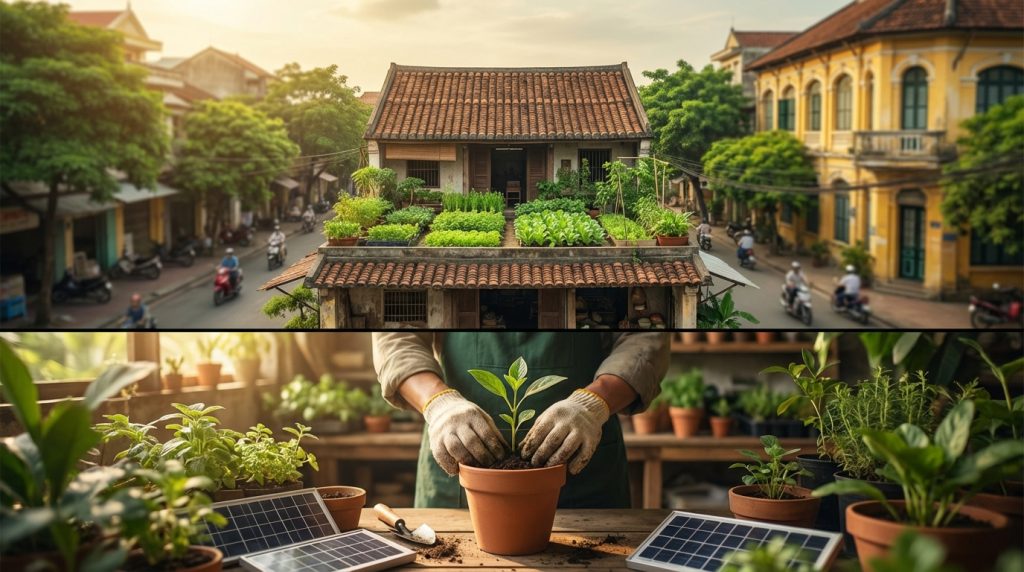
Sustainability is no longer just a buzzword. It’s a business imperative. Many small and medium-sized enterprises (SMEs) in Vietnam face a critical question. How can they adopt sustainable practices? This is especially true for those with limited resources. Therefore, understanding “small-scale ESG” is crucial. ESG stands for Environmental, Social, and Governance. It guides businesses toward responsible operations. This article will explore practical ways VN SMEs can implement ESG. We will focus on actionable steps. These steps are manageable and impactful. Ultimately, they lead to a more resilient business.

Why ESG Matters for Vietnamese SMEs
Many businesses think ESG is only for large corporations. This is a misconception. Even small businesses benefit greatly. Firstly, adopting ESG can improve brand reputation. Consumers increasingly prefer sustainable brands. Secondly, it can lead to cost savings. For instance, reducing energy waste saves money. Thirdly, it helps attract and retain talent. Employees want to work for ethical companies. Finally, it prepares businesses for future regulations. Governments worldwide are enacting stricter environmental laws. Therefore, proactive adoption is wise. It also fosters innovation. Companies often find new, efficient ways of working.
Environmental Impact: Greening Operations
The “E” in ESG focuses on the planet. VN SMEs can make significant changes here. They can start with simple energy audits. Identifying areas of high energy consumption is key. Then, they can implement energy-saving measures. This includes using LED lighting. It also means upgrading to energy-efficient equipment. Turning off lights and machinery when not in use is vital. Furthermore, reducing waste is essential. SMEs can implement recycling programs. They can also minimize single-use plastics. Consider sourcing local materials. This reduces transportation emissions. Water conservation is another area. Simple measures like fixing leaks help. Businesses can also explore renewable energy. Solar panels are becoming more accessible.
Practical Steps for Environmental Sustainability:
- Conduct an energy efficiency audit.
- Switch to LED lighting.
- Minimize waste through recycling and reduction.
- Reduce water consumption.
- Explore renewable energy options like solar.
- Source materials locally when possible.
For example, a small textile business could invest in water-saving dyeing techniques. This not only helps the environment but also reduces operational costs. Similarly, a cafe could switch to compostable packaging. This aligns with growing consumer demand for eco-friendly options. These actions demonstrate a commitment to sustainability. They also build a stronger brand identity. It’s important to remember that even small steps matter. Building a sustainable future starts with individual actions.
Social Responsibility: Empowering People
The “S” in ESG covers social impact. This involves employees, customers, and the community. For SMEs, employee well-being is paramount. Providing a safe and healthy work environment is a must. Fair wages and reasonable working hours are also crucial. Investing in employee training and development is beneficial. It shows you value your staff. Diversity and inclusion are also important. Creating an equitable workplace benefits everyone. Furthermore, SMEs can engage with their local community. Supporting local suppliers is a good start. Corporate volunteering is another option. Many companies find this rewarding. It strengthens community ties. Customer well-being is also key. Ensuring product safety is fundamental. Transparent communication builds trust.
Key Social Practices for SMEs:
- Prioritize employee health and safety.
- Ensure fair wages and working conditions.
- Promote diversity and inclusion.
- Engage with and support the local community.
- Guarantee product safety and quality.
- Maintain transparent communication with stakeholders.
Consider a small manufacturing firm. Ensuring safe working conditions is non-negotiable. Providing adequate training can reduce accidents. It also improves product quality. Furthermore, supporting local suppliers creates jobs. This benefits the broader economy. For a service-based business, fostering an inclusive culture is vital. This attracts a wider talent pool. It also leads to better customer service. Ultimately, a strong social commitment builds loyalty. It creates a positive ripple effect.
Governance: Building Trust and Integrity
The “G” in ESG refers to governance. This is about how a company is run. It ensures transparency and accountability. For SMEs, good governance means clear decision-making processes. It also involves ethical business practices. Having a clear code of conduct is important. This guides employee behavior. It sets ethical standards. Financial transparency is also key. Accurate record-keeping builds trust. Compliance with laws and regulations is fundamental. This includes labor laws and environmental standards. Strong leadership is essential. Leaders must champion ESG principles. They should integrate them into the company’s strategy. Regular reporting on ESG performance can be beneficial. Even simple updates show commitment.
Governance Essentials for SMEs:
- Establish clear decision-making processes.
- Implement a code of ethical conduct.
- Maintain transparent financial reporting.
- Ensure legal and regulatory compliance.
- Promote strong and ethical leadership.
- Communicate ESG efforts to stakeholders.
For instance, a family-owned business can establish clear roles and responsibilities. This prevents confusion. It also ensures accountability. Implementing a simple anti-corruption policy is crucial. This protects the business’s reputation. It also fosters a fair operating environment. Transparent dealings with suppliers build strong partnerships. Ultimately, good governance creates a stable foundation. It allows the business to grow responsibly. It also builds long-term stakeholder confidence. This is vital for sustainable success.
Starting Small: Practical First Steps
Adopting ESG may seem daunting. However, SMEs can start with manageable steps. Firstly, assess your current impact. Identify your biggest environmental and social footprints. Secondly, set realistic goals. Focus on one or two key areas to begin with. For example, reducing paper usage is a good starting point. Thirdly, involve your team. Educate employees about ESG. Encourage their participation. They often have great ideas. Fourthly, seek external resources. Many government agencies and NGOs offer support. They provide guidance and training. Finally, celebrate your successes. Acknowledge progress, no matter how small. This keeps motivation high.
Low-Cost ESG Initiatives for VN SMEs
- Reduce printing and go digital.
- Implement a basic recycling program.
- Encourage carpooling or cycling to work.
- Educate staff on energy conservation.
- Review supplier ethics and practices.
- Support a local charity or community project.
For example, a small accounting firm could go paperless. This saves money and resources. They could also encourage remote work options. This reduces commuting emissions. Furthermore, they can partner with a local environmental charity. This demonstrates social responsibility. These initiatives require minimal investment. However, they yield significant benefits. They build a culture of sustainability. They also improve operational efficiency.
The Benefits of a Sustainable Approach
Embracing ESG is not just about compliance. It’s about building a better business. It leads to enhanced reputation. This attracts more customers. It also improves employee morale and retention. Sustainable practices often reduce operational costs. This includes energy, water, and waste management savings. Furthermore, it can open doors to new markets. Many international buyers and investors prioritize ESG. It can also foster innovation. Companies discover new, more efficient ways of operating. Finally, it contributes to a healthier planet. This is a long-term benefit for everyone. For VN SMEs, this journey is about growth. It is also about responsibility.
Consider the long-term vision. A business that prioritizes sustainability is more resilient. It is better equipped to handle future challenges. This includes climate change impacts and shifting consumer preferences. For example, investing in sustainable supply chains can mitigate risks. It also ensures continuity of operations. This proactive approach is key to long-term success. It positions the business for a thriving future.
Frequently Asked Questions (FAQ)
What is ESG for small businesses?
ESG stands for Environmental, Social, and Governance. For small businesses, it means operating in a way that is good for the planet, its people, and is run with integrity.
Do I need a dedicated ESG department?
Not necessarily. For SMEs, ESG can be integrated into existing roles and responsibilities. Leadership commitment is more important than a separate department.
How can I measure my ESG progress?
Start by tracking key metrics. This could include energy consumption, waste generated, employee satisfaction, or community engagement hours. Simple tracking is effective.
What if my budget is very limited?
Focus on low-cost initiatives. Reducing waste, saving energy, and promoting employee well-being often require more effort than money. Small changes add up.
How can ESG help my business compete?
A strong ESG profile can attract customers who value sustainability. It can also make your business more appealing to investors and partners. This helps you stand out.
Conclusion
Adopting small-scale ESG practices is an achievable goal for VN SMEs. It is not an insurmountable challenge. By focusing on practical, manageable steps, businesses can make a real difference. Starting with environmental improvements, social responsibility, and good governance lays a strong foundation. These efforts not only benefit the planet and society. They also contribute to a more robust and reputable business. Therefore, embracing sustainability is a strategic investment. It is an investment in the future success of your SME. It is also an investment in a better world.
