

Corporate social responsibility (CSR) is vital. It builds trust. It also improves a company’s reputation. Volunteering is a key part of CSR. It lets employees help their communities. This article explores corporate volunteering in Vietnam. We will look at its impact. We will also see why it matters for businesses.
The Rise of Corporate Volunteering in VN
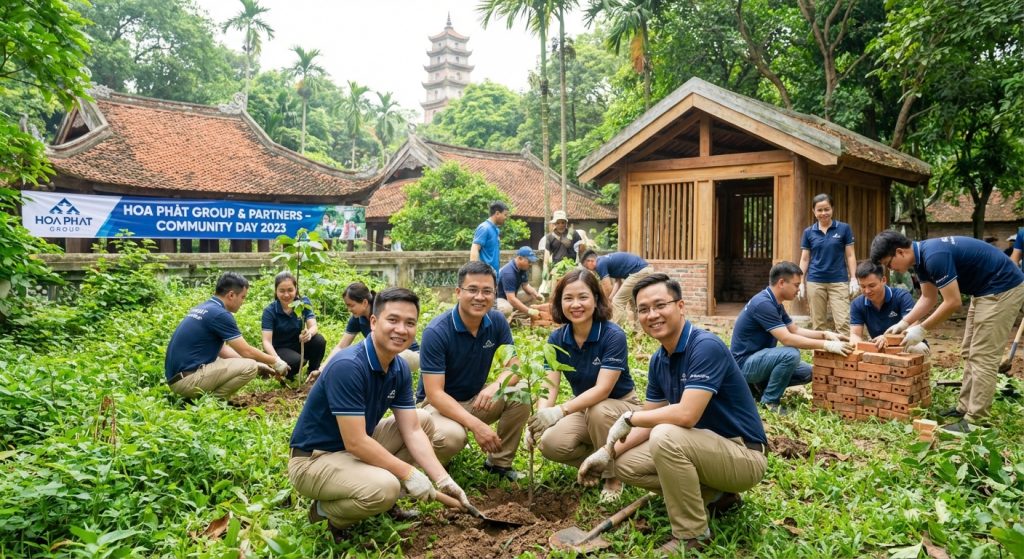
Companies in Vietnam are increasingly focused on CSR. This trend is growing. Businesses recognize their role. They want to contribute positively. Corporate volunteering is a major driver. It allows employees to give back. It fosters a sense of purpose. Furthermore, it strengthens team bonds. Many companies now have dedicated programs. These programs encourage staff to volunteer. They often partner with local NGOs. This collaboration is very effective. It ensures resources go where they are needed most. The government also supports these initiatives. This helps promote a culture of giving.
Why Businesses Should Embrace Volunteering
Corporate volunteering offers many benefits. Firstly, it boosts employee morale. People feel good when they help others. This leads to higher job satisfaction. It can also reduce employee turnover. Secondly, it enhances a company’s brand image. Consumers prefer socially responsible businesses. This can attract new customers. It also builds loyalty. Moreover, volunteering improves community relations. Companies become seen as good neighbors. This is crucial for long-term success. In addition, it can lead to innovation. Employees gain new perspectives. They learn new skills. These experiences can benefit the company. Finally, it contributes to a better society. This aligns with broader ESG goals.
Impactful Volunteering Initiatives in Vietnam
Many companies in Vietnam are making a difference. They focus on various areas. Environmental protection is a common theme. For example, tree planting drives are popular. Many companies also organize clean-up campaigns. These efforts help preserve natural beauty. They also combat pollution. Education is another key focus. Companies support schools. They provide supplies. They also offer mentorship programs. This helps young people. It prepares them for the future. Healthcare is also important. Some companies fund medical check-ups. Others support local clinics. These initiatives improve public health. They reach underserved communities.
Case Study: A Successful Environmental Project
Consider a tech company in Hanoi. They partnered with a local environmental NGO. Their goal was to clean up a polluted lake. Employees spent weekends removing trash. They also helped plant trees along the banks. This project had a huge impact. The lake is now much cleaner. Local wildlife has returned. The community feels more connected to their environment. The company gained significant positive publicity. Their employees felt proud to be part of it. This shows how focused efforts can yield great results. It also highlights the power of partnerships.
How to Measure Volunteer Impact
Measuring the impact of volunteering is important. It shows the value of these efforts. It also helps improve future programs. Firstly, track the number of volunteer hours. This is a basic metric. Secondly, count the number of beneficiaries. How many people were helped? Thirdly, assess the qualitative impact. Did lives improve? Were skills learned? For instance, a program teaching digital literacy to elderly people could measure increased confidence. It could also measure improved access to online services. Data collection is key. This can include surveys and feedback forms. It helps demonstrate success. It also informs strategic decisions. For example, understanding what works best helps refine future projects. This data can also be used in ESG integration strategies.
Challenges and Opportunities
Corporate volunteering in Vietnam faces challenges. One challenge is employee engagement. Not all employees may be willing or able to participate. Companies need to make volunteering accessible. They should offer flexible options. Another challenge is resource allocation. Volunteering requires time and money. Companies must balance this with business needs. Logistical issues can also arise. Organizing events needs careful planning. However, opportunities abound. Technology can help. Online platforms can connect volunteers with opportunities. They can also streamline communication. Partnerships with NGOs are crucial. These organizations have local expertise. They understand community needs. Building strong relationships is key. Furthermore, employee training can enhance impact. Training can equip volunteers with necessary skills. This ensures they can contribute effectively.
Overcoming Engagement Hurdles
To boost employee engagement, companies can start small. Offer a variety of activities. Cater to different interests. Make participation easy. Provide paid time off for volunteering. Recognize and reward volunteers. Share success stories internally. This inspires others. Leadership buy-in is also critical. When leaders participate, it sets a positive example. It shows the company values this work. Ultimately, fostering a strong CSR culture is the goal. This makes volunteering a natural part of the employee experience.
The Role of NGOs and Local Communities
Non-governmental organizations (NGOs) are vital partners. They have deep roots in communities. They understand local needs and challenges. They also have experience in managing projects. Collaboration with NGOs ensures that volunteer efforts are well-directed. They can identify specific projects. They can also manage logistics on the ground. Local communities benefit directly. They receive support. They also gain a voice. Their involvement is crucial for the success of any CSR initiative. It ensures projects are relevant and sustainable. For example, understanding human rights due diligence is important when working with local communities.
The Future of Corporate Volunteering in Vietnam
The future of corporate volunteering in Vietnam looks bright. As the economy grows, so does the focus on social impact. More companies will likely integrate volunteering into their core strategies. Technology will play a bigger role. Virtual volunteering options may increase. This allows broader participation. Skills-based volunteering will also grow. This means employees use their professional skills to help. For example, marketing professionals could help an NGO with its branding. Legal experts could offer pro bono advice. This type of volunteering has a high impact. The trend towards sustainability will continue. Companies will focus on projects with long-term environmental and social benefits. For instance, initiatives focused on plastic-free manufacturing or renewable energy education will be more common. Ultimately, corporate volunteering will become a standard practice. It will be seen not just as charity, but as a strategic investment. It is an investment in people, communities, and the planet.
Frequently Asked Questions
What is corporate volunteering?
Corporate volunteering is when companies encourage and support their employees to participate in volunteer activities. This can include company-organized events or individual volunteer work during paid work hours.
Why is corporate volunteering important in Vietnam?
It is important because it helps companies build a positive reputation, improve employee morale and engagement, and contribute to the social and environmental well-being of Vietnamese communities. It also aligns with growing global trends in corporate social responsibility (CSR).
What are common types of corporate volunteer activities in Vietnam?
Common activities include environmental initiatives like tree planting and clean-ups, educational support such as providing school supplies or tutoring, and healthcare support like organizing medical check-ups.
How can companies measure the success of their volunteer programs?
Success can be measured by tracking volunteer hours, the number of beneficiaries reached, and the qualitative impact on individuals and communities. Feedback surveys are also valuable tools.
What are the main challenges for corporate volunteering in Vietnam?
Challenges include ensuring consistent employee engagement, allocating sufficient resources, and managing logistical complexities. Overcoming these requires strategic planning and strong partnerships.
Conclusion
Corporate volunteering is more than just a charitable act. It is a powerful tool. It drives positive change in Vietnam. It benefits businesses, employees, and communities alike. By embracing volunteering, companies can build stronger brands. They can foster a more engaged workforce. Most importantly, they can contribute to a more sustainable and equitable future for Vietnam. Therefore, CSR managers and NGOs should prioritize these initiatives. They are an investment in shared prosperity.
