
Measuring VN’s Luxury Resorts’ Sustainable Footprint
Published on February 9, 2026 by Admin
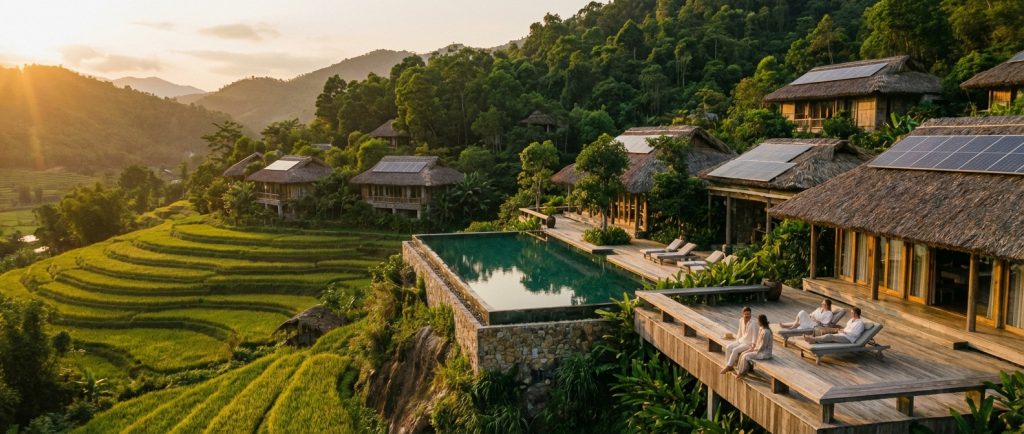
Vietnam’s luxury resorts are embracing sustainability. This is a crucial trend. Travelers increasingly seek eco-conscious options. Luxury brands must also lead in environmental responsibility. Measuring their footprint is key to this effort. It ensures genuine progress. It also builds trust with guests. This article explores how Vietnam’s high-end resorts can measure their impact. We will look at common metrics and best practices.
The Growing Demand for Sustainable Luxury
The tourism industry is changing. Travelers are more aware of their environmental impact. They want to support businesses that align with their values. This is especially true for luxury travelers. They expect high standards. This includes environmental and social responsibility. Therefore, luxury resorts must adapt. They need to demonstrate their commitment. This goes beyond mere marketing. It requires concrete actions and measurable results.
Furthermore, the concept of luxury is evolving. It now includes experiences that are mindful and impactful. Guests want to feel good about their choices. They want to contribute positively. This shift is driving innovation in the hospitality sector. Resorts are looking for ways to reduce their footprint. They are also seeking to enhance guest experiences through sustainability.
Key Metrics for Footprint Measurement
Measuring a resort’s footprint involves several key areas. Firstly, energy consumption is a major factor. This includes electricity, heating, and cooling. Secondly, water usage is critical. Resorts use significant amounts of water. This is for pools, laundry, and guest use. Thirdly, waste generation must be tracked. This includes solid waste and food waste.
In addition, carbon emissions are a primary concern. This covers direct emissions from operations. It also includes indirect emissions from supply chains. For example, the sourcing of food and materials contributes. Finally, biodiversity impact is important. This involves the resort’s effect on local ecosystems. It also includes land use and conservation efforts.

Energy Consumption and Efficiency
Energy is a significant operational cost. It is also a major contributor to a resort’s carbon footprint. Luxury resorts can implement various strategies. They can switch to renewable energy sources. Solar power is a popular choice. Many resorts in Vietnam are installing solar panels. This reduces reliance on the grid. It also lowers greenhouse gas emissions.
Moreover, energy efficiency is crucial. This involves upgrading to LED lighting. It also includes using smart thermostats. Efficient appliances and well-insulated buildings help too. Regular energy audits are beneficial. They identify areas for improvement. This leads to cost savings. It also enhances sustainability efforts. For instance, implementing net-zero strategies can be a long-term goal.
Water Management and Conservation
Water is a precious resource. Effective water management is vital for resorts. Many resorts are implementing water-saving technologies. This includes low-flow showerheads and toilets. It also involves smart irrigation systems for landscaping. Rainwater harvesting is another effective method. The collected water can be used for irrigation and other non-potable purposes.
Furthermore, greywater recycling systems are beneficial. These systems treat wastewater from sinks and showers. The treated water can then be reused. This significantly reduces fresh water consumption. Educating guests about water conservation is also important. Providing reusable water bottles can reduce plastic waste. It also encourages mindful water use.
Waste Reduction and Management
Waste management is a critical aspect of sustainability. Luxury resorts can aim for zero waste. This starts with reducing waste at the source. For example, minimizing single-use plastics is essential. This includes toiletries, straws, and packaging. Bulk dispensers for amenities are a good alternative. Sourcing local and seasonal produce also reduces packaging waste.
Composting organic waste is another effective strategy. This turns food scraps into valuable fertilizer. This can be used in the resort’s gardens. Recycling programs should be comprehensive. Clear signage and staff training are necessary. Resorts can also partner with local organizations. They can donate excess food or materials. This practice aligns with the principles of a circular economy.
Measuring Carbon Footprint
Calculating a resort’s carbon footprint is complex. It requires gathering data on various activities. This includes energy use, transportation, and waste. The Greenhouse Gas Protocol provides a framework. It categorizes emissions into scopes:
- Scope 1: Direct emissions from owned or controlled sources. This includes fuel combustion in boilers or vehicles.
- Scope 2: Indirect emissions from purchased electricity, steam, heating, and cooling.
- Scope 3: All other indirect emissions in the value chain. This covers business travel, employee commuting, and waste disposal.
Many resorts are now focusing on Scope 3 emissions. These are often the largest portion of their footprint. For example, the sustainability of their supply chains is crucial. This includes the food and beverage suppliers. It also covers laundry services and tour operators.
Biodiversity and Ecosystem Impact
Luxury resorts are often situated in natural beauty. Therefore, protecting local biodiversity is paramount. Resorts should conduct ecological assessments. This helps understand their impact on the surrounding environment. Developing a biodiversity action plan is a good step. This plan should outline conservation efforts.
Strategies include using native plants in landscaping. This supports local wildlife. Avoiding the use of harmful pesticides is also important. Resorts can implement habitat restoration projects. They can also support local conservation initiatives. For instance, protecting mangrove forests helps coastal resilience. This also preserves vital habitats.
Certifications and Reporting
To validate their sustainability efforts, resorts can seek certifications. Several reputable eco-certifications exist. These include Green Globe, LEED, and EarthCheck. These certifications provide a framework. They also offer third-party verification. This adds credibility to their claims. It helps avoid greenwashing.
Transparent reporting is also essential. Resorts should publish sustainability reports. These reports detail their progress. They should include key performance indicators. This allows stakeholders to track their journey. It also fosters accountability. For example, reporting on ESG data integrity is increasingly important.
Technology’s Role in Sustainability Measurement
Technology plays a vital role in measuring and managing footprints. Smart sensors can monitor energy and water usage in real-time. Building management systems can optimize resource consumption. AI-powered platforms can analyze data. They can identify inefficiencies. They can also predict future needs.
For example, AI can optimize HVAC systems. It can also manage lighting based on occupancy. IoT devices can track waste levels. This helps improve collection routes. Drones can monitor land use and biodiversity. These technologies provide valuable insights. They enable data-driven decision-making. This leads to more effective sustainability strategies. Technologies like those for electric mobility are also part of a broader sustainable infrastructure.
Challenges and Opportunities
Measuring a resort’s footprint presents challenges. Data collection can be complex. It requires accurate systems and dedicated staff. The initial investment in sustainable technologies can be high. However, the long-term benefits are significant. These include cost savings, enhanced brand reputation, and increased guest loyalty.
The opportunity lies in creating truly sustainable luxury. This means integrating environmental and social responsibility into the core business. It is not just about compliance. It is about creating a positive impact. It is about offering guests an experience that is both indulgent and ethical. Resorts that embrace this will thrive. They will attract a growing segment of conscious travelers.
Frequently Asked Questions (FAQ)
What is the primary goal of measuring a resort’s sustainable footprint?
The primary goal is to understand and quantify the environmental and social impact of a resort’s operations. This allows for informed decision-making, identification of areas for improvement, and transparent communication of sustainability efforts to stakeholders, including guests.
How can luxury resorts in Vietnam specifically address their carbon emissions?
Resorts can address carbon emissions by transitioning to renewable energy sources like solar power, improving energy efficiency through LED lighting and smart building systems, reducing waste, and optimizing their supply chains. They can also invest in carbon offsetting programs where appropriate.
Are there specific certifications that validate a resort’s sustainability claims?
Yes, there are several reputable certifications such as Green Globe, LEED, and EarthCheck. These certifications provide a structured approach to sustainability and offer third-party verification of a resort’s environmental performance.
What is the role of guests in a resort’s sustainability efforts?
Guests play a vital role by participating in conservation initiatives, conserving water and energy, and making conscious choices. Resorts can educate guests and encourage participation through clear communication and by offering sustainable options.
How does measuring biodiversity impact contribute to sustainability?
Measuring biodiversity impact helps resorts understand their effect on local ecosystems. This allows them to implement strategies to protect and restore habitats, support native species, and minimize disruption to the natural environment, which is crucial for long-term ecological health.
Conclusion
Measuring the sustainable footprint of Vietnam’s luxury resorts is no longer optional. It is a necessity. It drives genuine environmental stewardship. It also meets the evolving expectations of discerning travelers. By adopting robust measurement practices. By investing in green technologies. And by fostering a culture of sustainability. These resorts can redefine luxury. They can offer experiences that are both opulent and responsible. This path benefits the planet. It also secures a prosperous future for Vietnam’s thriving tourism industry.
