
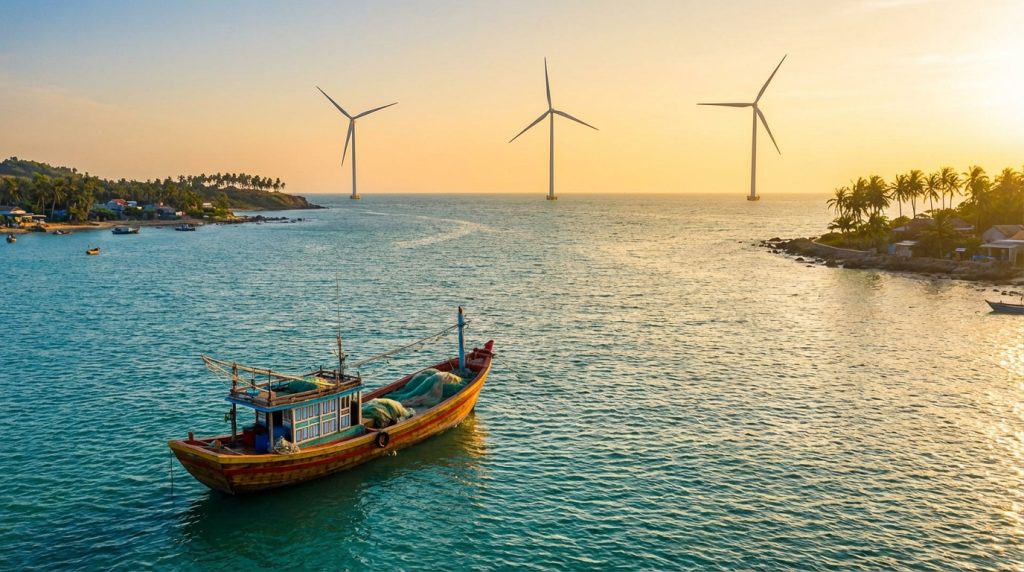
The ocean is vital for Vietnam’s future. A thriving “Blue Economy” is key. This means using marine resources sustainably. It also means developing new ocean-based industries. Sustainable fishing is a cornerstone. Ocean energy offers immense potential. Both are crucial for Vietnam’s prosperity and environmental health.
The Pillars of Vietnam’s Blue Economy
Vietnam’s coastline is long. Its marine ecosystems are rich. The Blue Economy seeks to balance economic growth with conservation. It’s a smart approach for a nation reliant on its seas. Sustainable practices are paramount. They ensure these resources last for generations.
Sustainable Fishing: A Legacy of the Sea
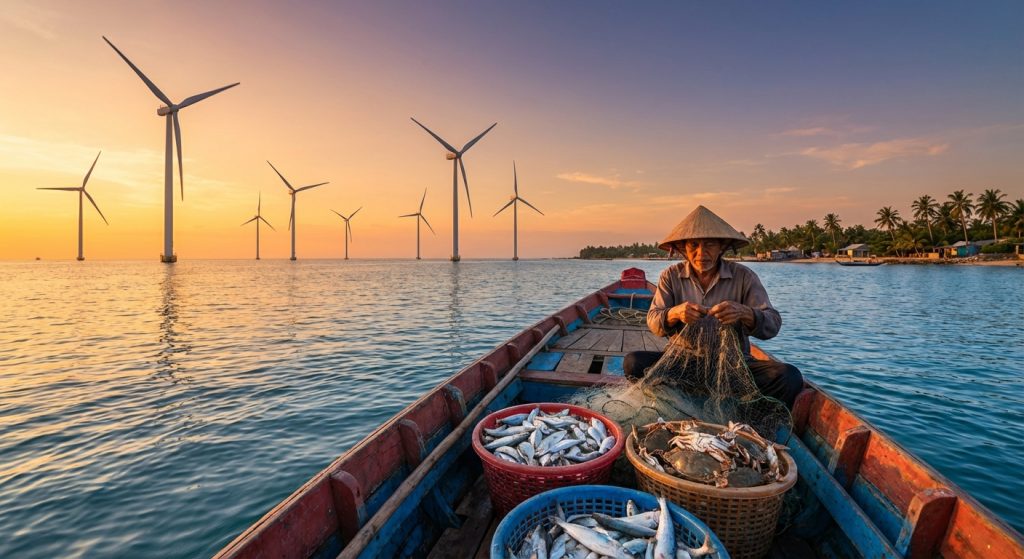
Fishing has always been central to Vietnam’s culture and economy. However, overfishing is a growing concern. Many fish stocks are depleted. This threatens livelihoods and marine biodiversity. Therefore, adopting sustainable fishing methods is critical. This involves responsible practices and better management.
Firstly, enforcing fishing quotas is essential. This prevents taking too many fish. Secondly, reducing bycatch is important. Bycatch refers to non-target species caught accidentally. Using selective fishing gear helps. This protects other marine life. Thirdly, combating illegal, unreported, and unregulated (IUU) fishing is crucial. This ensures fair competition and protects stocks.
Furthermore, marine protected areas (MPAs) play a vital role. They act as nurseries for fish. They also help ecosystems recover. These areas allow fish populations to replenish. This benefits surrounding fishing grounds. Promoting aquaculture that avoids environmental harm is also key. For instance, closed-loop systems for shrimp farming can minimize pollution. This is a smart step towards sustainable aquaculture.
Ocean Energy: Powering the Future
Vietnam has vast potential for ocean energy. This includes offshore wind, tidal, and wave energy. These renewable sources can significantly reduce reliance on fossil fuels. They also offer a path to energy independence.
Offshore wind is particularly promising. Vietnam’s long coastline experiences strong winds. Developing offshore wind farms can provide clean electricity. This will power coastal communities and industries. However, careful planning is needed. Siting wind farms must consider marine ecosystems. It must also minimize impacts on navigation and fishing.
Tidal and wave energy are also possibilities. While less developed, these technologies are advancing. They can provide consistent power. This complements intermittent sources like solar. Investing in research and development is vital. This will unlock the full potential of Vietnam’s ocean energy resources.
Challenges and Opportunities
Developing a robust Blue Economy is not without its hurdles. Climate change poses a significant threat. Rising sea levels and ocean acidification impact marine life. Pollution from land-based activities also harms coastal ecosystems. Moreover, strong governance and effective enforcement are needed.
Addressing Climate Change Impacts
Climate change is a major challenge. Rising sea levels threaten coastal communities. Ocean acidification harms shellfish and coral reefs. Therefore, adaptation and mitigation strategies are crucial. Investing in resilient infrastructure is one step. This includes building high-tech sea walls and nature-based solutions. Protecting and restoring coastal habitats like mangroves is another. Mangroves act as natural barriers. They also sequester carbon.
Combating Pollution
Pollution from various sources impacts marine health. Plastic waste is a pervasive problem. Chemical runoff from agriculture and industry is also harmful. Implementing stricter regulations on waste management is essential. Promoting a circular economy can reduce plastic use. Educating communities about the impacts of pollution is also vital. Furthermore, investing in wastewater treatment facilities is crucial. This prevents pollutants from entering the ocean.
Strengthening Governance and Policy
Effective governance is the backbone of a successful Blue Economy. Clear policies and regulations are needed. These must support sustainable practices. They must also encourage investment in ocean energy. International cooperation can help. Sharing best practices and technologies is beneficial. Capacity building for local communities and stakeholders is also important. This ensures buy-in and effective implementation.
The Role of Technology and Innovation
Technology plays a vital role in advancing the Blue Economy. Advanced monitoring systems can track fish stocks. This helps in enforcing quotas. Drones and AI can monitor marine protected areas. They can also detect illegal fishing activities. For ocean energy, innovations in turbine design and grid integration are key. Furthermore, research into marine biotechnology can unlock new economic opportunities. This could include sustainable pharmaceuticals or novel biomaterials.
Smart Fishing Technologies
Modern technology can revolutionize fishing practices. GPS tracking helps fishermen navigate safely. It also allows for better management of fishing zones. Electronic monitoring systems can record catch data. This improves transparency and accountability. AI can analyze this data. It can then predict fish stock health. This informs sustainable harvesting strategies. For example, advancements in AI for coral reef monitoring can help protect vital habitats.
Innovations in Ocean Energy
The ocean energy sector is rapidly evolving. Floating offshore wind turbines are becoming more viable. They can access deeper waters. This expands the potential for wind energy generation. Technologies for harnessing wave and tidal energy are also improving. These include advanced underwater turbines and buoys. Furthermore, energy storage solutions are crucial. They ensure a stable power supply from these sources.
Economic and Social Benefits
A well-managed Blue Economy offers significant benefits. It can create new jobs. It can boost local economies. It can also improve food security. Sustainable fishing ensures a reliable source of seafood. Ocean energy provides clean power. This reduces pollution and improves air quality. Furthermore, a healthy ocean supports tourism. This creates further economic opportunities.
Job Creation and Economic Growth
The Blue Economy can drive substantial economic growth. Developing sustainable fisheries creates jobs in harvesting, processing, and distribution. Aquaculture also offers employment. The burgeoning ocean energy sector will require engineers, technicians, and maintenance crews. Marine tourism, from diving to eco-tours, can also flourish. This diversification strengthens local economies.
Food Security and Livelihoods
Sustainable fishing practices are vital for food security. They ensure a continuous supply of protein. This is especially important for coastal communities. Responsible aquaculture can supplement wild catches. It can also help restore depleted fish stocks. Protecting marine ecosystems safeguards the livelihoods of millions. These livelihoods depend directly on healthy oceans.
Conclusion: Charting a Course for a Sustainable Future
Vietnam’s Blue Economy is more than just an economic strategy. It is a commitment to a sustainable future. It recognizes the intrinsic link between ocean health and human well-being. By prioritizing sustainable fishing and harnessing ocean energy, Vietnam can unlock immense potential. This will lead to prosperity and environmental resilience. The path forward requires collaboration. It demands innovation and a steadfast commitment to conservation. Therefore, embracing the Blue Economy is charting a course for a brighter, bluer future for Vietnam.
Frequently Asked Questions (FAQ)
What is the Blue Economy?
The Blue Economy refers to the sustainable use of ocean resources for economic growth. It aims to improve livelihoods and jobs. It also seeks to ensure the health of ocean ecosystems. This involves balancing economic development with environmental conservation.
Why is sustainable fishing important for Vietnam?
Vietnam has a long tradition of fishing. Sustainable fishing ensures that fish populations remain healthy. This protects the livelihoods of fishing communities. It also preserves marine biodiversity for future generations. Overfishing can lead to stock collapse, impacting food security and the economy.
What types of ocean energy can Vietnam develop?
Vietnam can develop various forms of ocean energy. The most prominent is offshore wind power. Other potentials include tidal energy and wave energy. These renewable sources can reduce reliance on fossil fuels and provide clean electricity.
What are the main challenges facing Vietnam’s Blue Economy?
Key challenges include the impacts of climate change, such as rising sea levels and ocean acidification. Pollution from land-based sources is another major issue. Effective governance and policy enforcement are also critical for success.
How can technology contribute to the Blue Economy?
Technology can help in various ways. Advanced monitoring systems can track fish stocks and enforce regulations. Drones and AI can monitor marine environments. Innovations in ocean energy technologies, like floating wind turbines, are also crucial. Marine biotechnology offers further opportunities.
What are the economic benefits of a Blue Economy?
A Blue Economy can create numerous jobs in sectors like fishing, aquaculture, and ocean energy. It can boost local economies, enhance food security, and support tourism. A healthy ocean ecosystem is fundamental to these benefits.
Is Vietnam investing in the Blue Economy?
Yes, Vietnam is increasingly recognizing the importance of its marine resources. The government is focusing on developing a sustainable Blue Economy. This includes promoting responsible fishing and exploring renewable ocean energy solutions. Efforts are underway to balance economic growth with environmental protection. Furthermore, Vietnam banks are leading green loan initiatives to support sustainable development.
