
The Healing Garden: Designing Hospital Landscapes for Recovery
Published on February 9, 2026 by Admin
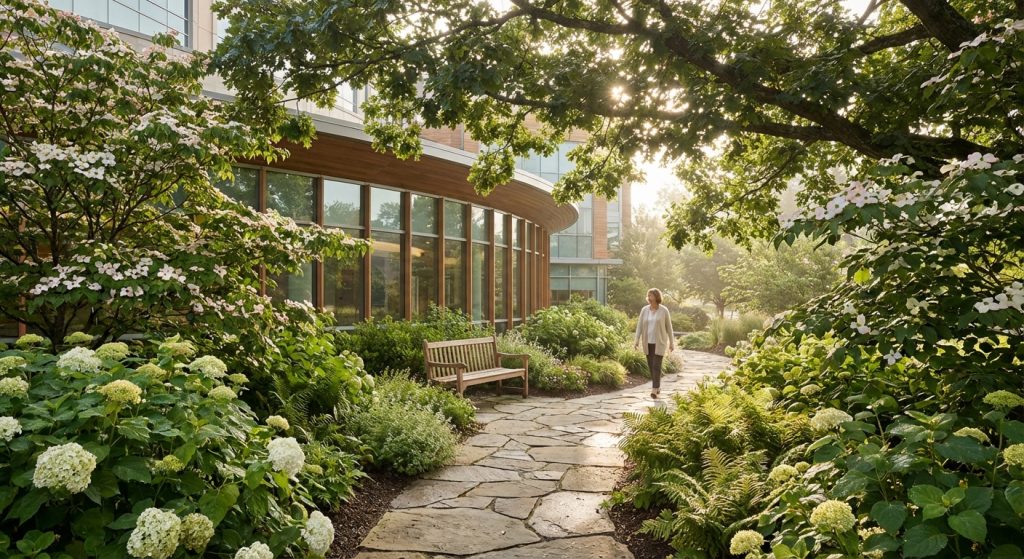
Hospitals are places of healing. But they can also be stressful. Patients often feel anxious. They may also feel isolated. Designers and psychologists now understand this. They are looking for new ways to help. One powerful solution is the healing garden. These are not just pretty spaces. They are carefully designed landscapes. They actively support patient recovery. This approach blends nature with healthcare. It aims to improve patient well-being. It also enhances the overall hospital experience.
The Biophilia Hypothesis and Healthcare
Humans have an innate connection to nature. This is called the biophilia hypothesis. It suggests we are drawn to natural environments. We feel calmer there. We also feel more energized. This connection is vital for our health. In hospitals, this connection is often lost. Patients are removed from nature. They are surrounded by sterile walls. They see little natural light. This disconnect can hinder recovery. Therefore, integrating nature is crucial. Healing gardens leverage this connection. They bring the benefits of nature indoors. Or rather, into the hospital grounds.
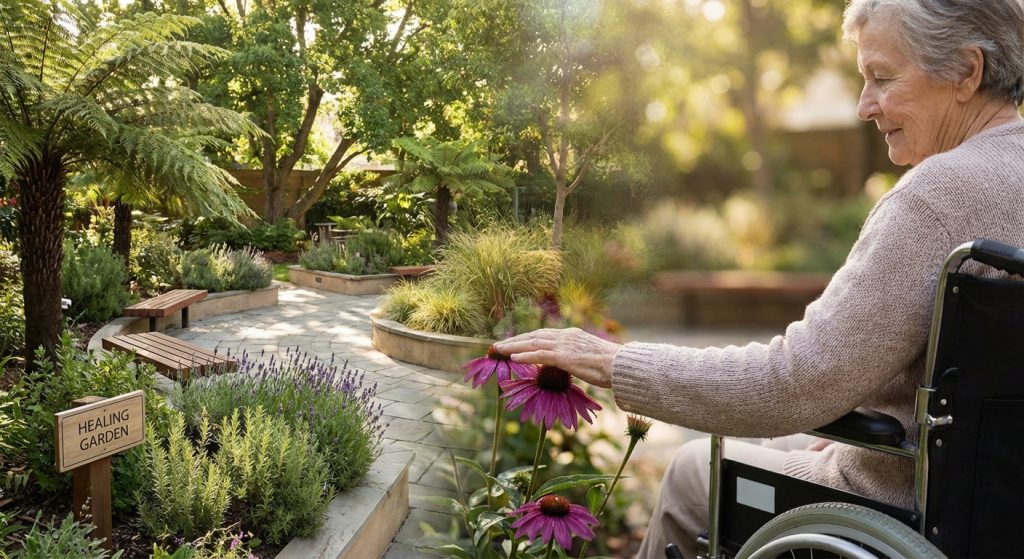
These gardens are more than just decorative. They are therapeutic spaces. They offer a refuge from illness. They provide a sense of peace. This can reduce stress and anxiety. For example, studies show nature’s impact. Viewing nature can lower blood pressure. It can also reduce heart rate. Furthermore, it can decrease pain perception. This is a significant benefit for patients. It can lead to shorter hospital stays. It also improves patient satisfaction. Psychologists often recommend these spaces. They understand the psychological benefits.
Key Design Principles for Healing Gardens
Designing an effective healing garden requires thought. It is not just planting a few flowers. Several principles guide the process. These ensure the garden serves its purpose. It must be accessible to all. It should also be safe for patients. Furthermore, it needs to be engaging. It should stimulate the senses positively.
Sensory Engagement
A healing garden should engage all senses. This helps to ground patients. It distracts them from their worries. Consider the following:
- Sight: Use a variety of colors. Include different plant textures. Ensure clear sightlines. Avoid harsh or jarring elements. Natural light is also important.
- Sound: Gentle sounds are calming. Water features are excellent. Birdsong is also beneficial. Avoid loud or disruptive noises. Consider wind chimes carefully.
- Smell: Fragrant plants can be uplifting. Lavender, mint, and jasmine are good choices. Ensure scents are not overwhelming. Some patients have sensitivities.
- Touch: Include plants with varied textures. Smooth leaves, rough bark, soft mosses. Ensure paths are smooth and safe.
- Taste: Edible gardens can be therapeutic. Growing herbs or small fruits. This can be a rewarding activity. It connects patients to the earth.
Accessibility and Safety
Safety is paramount in a hospital setting. Gardens must be secure. They must also be accessible. This means:
- Paths: Wide, smooth, and level paths are essential. They should accommodate wheelchairs and walkers. Non-slip surfaces are crucial.
- Seating: Ample seating is needed. Benches should be comfortable. They should be placed in both sunny and shaded areas.
- Boundaries: Clear but unobtrusive boundaries are important. They prevent patients from wandering. They should not feel like a prison.
- Plant Selection: Avoid toxic plants. Also, avoid plants with sharp thorns. Ensure plants are well-maintained.
- Lighting: Adequate lighting is necessary for evening use. It also enhances safety.
Purposeful Layout and Features
The layout should guide the user. It should create different experiences. For example:
- Quiet Zones: Areas for quiet contemplation. These might have secluded seating.
- Activity Zones: Spaces for gentle exercise or gardening.
- Sensory Gardens: Areas specifically designed for sensory stimulation.
- Views: Incorporate views of nature from inside the hospital. Large windows are key.
The Psychological Benefits of Nature in Hospitals
The impact of nature on mental health is profound. For patients, this can be transformative. It offers a break from the clinical environment. It provides a sense of normalcy. It can also foster a sense of hope. Psychologists often highlight these aspects.
Stress and Anxiety Reduction
Hospital stays are inherently stressful. The fear of illness is ever-present. The unfamiliar surroundings add to this. Healing gardens offer a sanctuary. The calming presence of plants and natural elements can soothe the nervous system. For example, studies have shown a reduction in the need for pain medication. This is often linked to lower stress levels. It is a direct benefit of spending time in nature.
Improved Mood and Reduced Depression
Depression is common among hospital patients. They may feel helpless or hopeless. Natural environments can combat these feelings. The vibrant colors of flowers. The gentle rustling of leaves. These can uplift spirits. Sunlight also plays a role. It helps regulate mood. It can boost serotonin levels. This is crucial for mental well-being. Therefore, access to green spaces is vital.
Enhanced Cognitive Function
Illness can affect cognitive abilities. Patients may experience brain fog or difficulty concentrating. Nature can help clear the mind. Studies suggest that spending time outdoors. It can improve attention span. It also enhances problem-solving skills. This is known as Attention Restoration Theory. It states that natural environments can replenish our directed attention. This is very beneficial for recovery.
Social Connection and Reduced Isolation
Patients often feel isolated. They may be separated from loved ones. Healing gardens can encourage social interaction. They can be spaces for family visits. They can also be spots for therapeutic group activities. Even a shared moment of appreciation for a flower. It can foster connection. This combats feelings of loneliness. This is particularly important for long-term patients.
Integrating Healing Gardens into Different Hospital Settings
Healing gardens are not one-size-fits-all. Their design must adapt to the specific needs of the hospital. Different departments have different requirements.
Oncology Units
Cancer patients often face long treatments. They may experience fatigue and nausea. Gardens for these patients should be peaceful. They should offer a sense of calm. Gentle sensory experiences are beneficial. Aromatic plants can be soothing. Quiet seating areas are essential. Views of nature from patient rooms are also highly valued. This provides a visual escape. It helps them cope with difficult treatments.
Pediatric Wards
Children in hospitals need a different approach. Gardens here should be playful. They should spark imagination. Features like sensory play areas are good. Interactive elements can engage young minds. Safe play structures are a must. Bright colors and whimsical designs are effective. This helps distract from fear. It makes the hospital experience less daunting. It can also encourage physical activity.
Mental Health Facilities
For mental health patients, gardens are crucial. They offer a safe space for reflection. They can be used for therapeutic activities. These might include horticultural therapy. Or simply for quiet walks. The design should promote a sense of safety and control. Elements that allow for personal space are important. Access to nature can significantly reduce agitation. It can also promote feelings of well-being. This is a core component of recovery.
Rehabilitation Centers
Rehabilitation often involves physical activity. Gardens can support this. Gentle walking paths are essential. Areas for outdoor exercise can be incorporated. Horticultural therapy can also aid recovery. It helps rebuild motor skills. It also provides a sense of accomplishment. The natural environment provides motivation. It makes the rehabilitation process more engaging. It can help patients regain strength and confidence.
The Role of Psychology in Garden Design
Psychologists play a key role. They understand human behavior. They know what promotes healing. They can guide designers. They help select appropriate elements. For instance, they might advise on color psychology. They can also suggest features that promote mindfulness.
Furthermore, they can help assess the impact of gardens. This involves patient feedback. It also includes observing how patients use the space. This iterative process ensures gardens remain effective. It allows for adjustments over time. This ensures the garden truly supports healing. The connection between nature and mental well-being is well-documented. For example, a study on hospital patients found that those with views of nature recovered faster. They also reported less pain. This highlights the importance of psychological input in design.
The principles of therapeutic horticulture are vital here. This field uses plants and gardening. It aims to improve mental and physical health. Psychologists can help integrate these practices. They can ensure the garden supports patient engagement. They also help create a sense of purpose. This can be very empowering for patients.
Conclusion: Cultivating a Healthier Future
Healing gardens are more than just amenities. They are integral to patient care. They represent a paradigm shift. This shift moves healthcare towards a more holistic approach. It recognizes the profound impact of the environment. It understands that nature is a powerful healer. By thoughtfully designing hospital landscapes. We can create spaces that truly nurture recovery. We can foster well-being. We can improve patient outcomes. Therefore, investing in healing gardens is an investment in health itself.
Frequently Asked Questions (FAQ)
What is a healing garden?
A healing garden is a specially designed outdoor space. It uses natural elements to promote well-being and recovery. It is often found in healthcare settings. It aims to reduce stress and improve patient outcomes.
What are the main benefits of healing gardens for patients?
Benefits include reduced stress and anxiety. Improved mood and decreased depression. Enhanced cognitive function. And greater social connection. They can also lead to reduced pain perception.
Who should be involved in designing a healing garden?
A multidisciplinary team is ideal. This includes landscape architects, designers, psychologists, horticulturalists, and healthcare professionals. Their combined expertise ensures a holistic approach.
Can healing gardens be incorporated into existing hospitals?
Yes, absolutely. Even small spaces can be transformed. Courtyards, rooftops, or even indoor atriums can become therapeutic gardens. Careful planning is key.
Are there specific plants that are better for healing gardens?
It depends on the goals. Generally, plants with calming scents like lavender. Or visually appealing flowers are good. Native plants are often recommended for sustainability. Safety is also a consideration, avoiding toxic or thorny species.
