
Saigon’s Trash to Power: A Waste-to-Energy Revolution
Published on February 9, 2026 by Admin
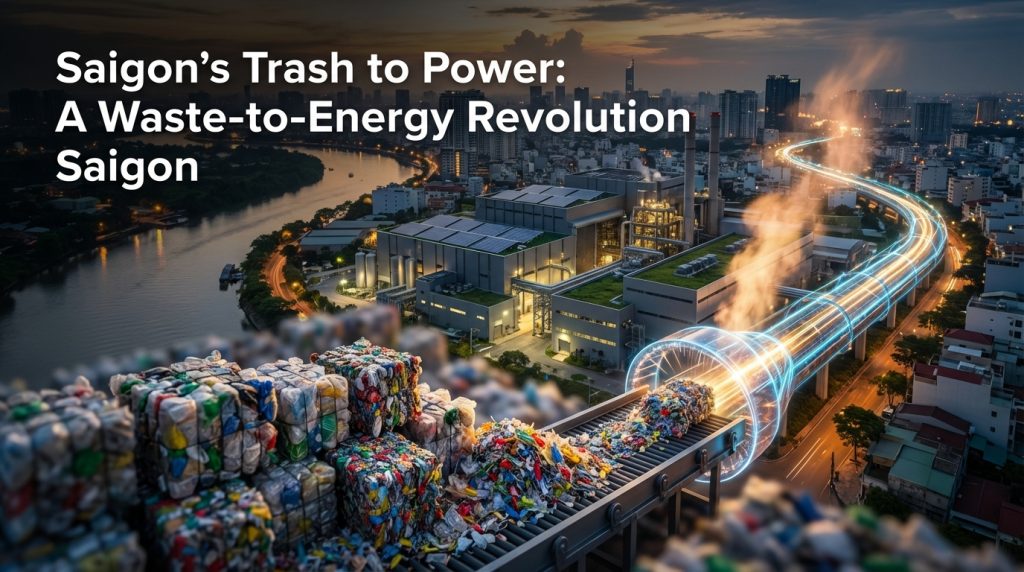
Ho Chi Minh City, often called Saigon, faces a monumental challenge: managing its ever-growing mountain of waste. Every day, millions of people generate tons of refuse. This waste often ends up in landfills, posing environmental risks. However, a promising solution is emerging. Waste-to-energy (WTE) technology offers a way to transform this problem into a powerful resource. Specifically, Saigon is exploring ways to turn its trash into much-needed electricity.
This innovative approach offers multiple benefits. It reduces landfill dependency. It also generates clean energy. Furthermore, it can create new economic opportunities. For waste management firms and city councils, understanding WTE is crucial. It represents a sustainable path forward for urban development.
The Scale of Saigon’s Waste Problem
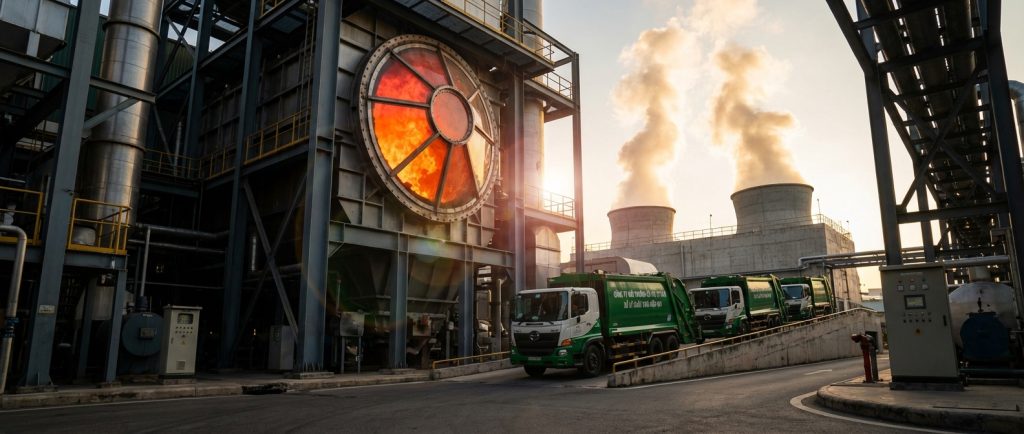
Saigon is a megacity. Its population is vast and growing. This growth directly translates to more waste. Estimates suggest the city generates thousands of tons of solid waste daily. This sheer volume overwhelms current disposal systems. Landfills are filling up rapidly. This leads to environmental concerns like soil and water contamination. It also produces greenhouse gases.
Traditional waste management methods are no longer sufficient. They are often costly and unsustainable. Therefore, cities like Saigon must seek advanced solutions. Waste-to-energy presents a compelling alternative. It addresses both waste disposal and energy generation needs.
What is Waste-to-Energy (WTE)?
Waste-to-energy is a process. It converts waste materials into usable energy. This energy can be in the form of heat or electricity. Several technologies exist for WTE. Common methods include:
- Incineration: Burning waste at high temperatures. This process generates heat, which can be used to produce steam and drive turbines for electricity.
- Gasification: Converting waste into a synthesis gas (syngas). This syngas can then be used to generate electricity or produce fuels.
- Pyrolysis: Heating waste in the absence of oxygen. This produces a gas, liquid, and solid residue. These can all be used for energy production or as raw materials.
- Anaerobic Digestion: Breaking down organic waste in the absence of oxygen. This produces biogas, which can be used for heat or electricity.
These technologies are engineered to minimize environmental impact. Modern WTE plants have advanced emission control systems. They are designed to capture pollutants. This ensures cleaner air compared to uncontrolled burning or older landfill methods.
Why Waste-to-Energy for Saigon?
Saigon’s unique context makes WTE particularly suitable. Firstly, the sheer volume of municipal solid waste is a constant challenge. WTE directly tackles this by diverting significant amounts of waste from landfills. Secondly, Vietnam, like many developing nations, requires substantial energy to fuel its economic growth. WTE offers a domestic, reliable source of power. This reduces reliance on imported fuels.
Moreover, WTE aligns with circular economy principles. It treats waste not as an endpoint, but as a resource. This shift in perspective is vital for sustainable urban planning. For city councils, implementing WTE can lead to long-term cost savings. It also enhances the city’s environmental profile.
The Technology in Action: Saigon’s Potential WTE Plants
Several WTE projects have been proposed or are under consideration for Ho Chi Minh City. These often involve large-scale facilities. They are designed to process hundreds or thousands of tons of waste per day. For instance, a typical WTE plant would involve:
- Waste Reception and Sorting: Incoming waste is weighed and inspected. Recyclable materials are often sorted out first. This maximizes resource recovery.
- Combustion or Conversion: The remaining waste is fed into a combustion chamber or gasifier. High temperatures are used to convert the waste.
- Energy Recovery: Heat generated is used to produce steam. This steam drives turbines connected to generators. Electricity is then produced.
- Emission Control: Flue gases are treated through multiple stages. This removes pollutants like particulate matter, acid gases, and dioxins.
- Ash Management: The remaining ash is managed. It can sometimes be used in construction materials after proper treatment.
These plants require significant investment. They also need skilled operation and maintenance. However, the long-term benefits are substantial. They contribute to energy security and environmental protection. The development of such infrastructure is a key step for cities aiming for sustainability. It’s also important to consider the broader implications of waste management, including the need for robust recycling programs. You can learn more about the complexities of circular economy principles and how they can reduce the overall waste burden.
Challenges and Considerations for Saigon
Despite the promise, WTE projects face challenges. Firstly, the initial capital investment is substantial. Securing funding is often a hurdle for developing cities. Secondly, public perception can be a concern. Some communities worry about emissions and the proximity of WTE facilities. Therefore, transparent communication and stringent environmental monitoring are essential. It is important to address concerns proactively.
Furthermore, the quality and composition of waste matter. Inconsistent waste streams can affect plant efficiency. Effective waste segregation at the source is crucial. This helps ensure optimal operation. The economic viability of WTE also depends on energy prices and waste tipping fees. A comprehensive feasibility study is always recommended.
Another important aspect is the management of residual waste. Even with WTE, some waste remains. This includes non-combustible materials and ash. Proper disposal or recycling of these residues is necessary. Cities must also balance WTE with robust recycling and composting programs. This ensures a holistic approach to waste management. For example, understanding the microbiology of composting can reveal further opportunities to turn organic waste into valuable resources.
The Role of Waste Management Firms and City Councils
Waste management firms play a pivotal role. They are responsible for collecting, transporting, and processing waste. For WTE to succeed, these firms must adapt. They need to implement efficient collection systems. They must also work closely with WTE plant operators. This includes providing consistent waste streams.
City councils are responsible for policy and planning. They must create an enabling environment for WTE projects. This involves:
- Developing clear regulations: Setting standards for WTE operations and emissions.
- Facilitating investment: Offering incentives or partnerships to attract WTE developers.
- Public engagement: Educating the public about WTE benefits and addressing concerns.
- Integrating WTE into broader waste strategies: Ensuring WTE complements recycling and reduction efforts.
Collaboration between the public and private sectors is key. This partnership can drive the successful implementation of WTE solutions. It ensures that waste is managed responsibly and sustainably.
Looking Ahead: A Cleaner, Greener Saigon
The vision of turning Saigon’s trash into electricity is ambitious. Yet, it is achievable. With the right technology, planning, and collaboration, WTE can significantly improve waste management. It can also contribute to a more sustainable energy future. For waste management firms and city councils, embracing WTE is not just an option; it’s a necessity for building resilient and livable urban environments.
As Saigon continues to grow, so will its waste. Proactive and innovative solutions like waste-to-energy are essential. They pave the way for a cleaner, healthier, and more energy-independent future for the city.
Frequently Asked Questions (FAQ)
Is waste-to-energy technology safe for the environment?
Yes, modern waste-to-energy plants use advanced emission control technologies. These systems significantly reduce pollutants released into the atmosphere. They are designed to meet strict environmental standards. In fact, they can be cleaner than older landfill methods which release methane, a potent greenhouse gas.
What types of waste can be used for waste-to-energy?
Generally, municipal solid waste (MSW) is the primary feedstock. This includes household waste like food scraps, paper, plastics, and textiles. Organic waste is particularly suitable for processes like anaerobic digestion. However, materials like glass and metal are usually removed during sorting to be recycled.
How much electricity can be generated from waste?
The amount of electricity generated depends on the volume and calorific value of the waste. A typical modern WTE plant can power tens of thousands of homes. For example, processing 1,000 tons of waste per day can generate enough electricity for roughly 100,000 people.
What happens to the ash produced by WTE plants?
After combustion, ash is produced. This ash is typically divided into bottom ash and fly ash. Bottom ash can sometimes be processed and used in construction materials, like road aggregate. Fly ash, which contains more concentrated pollutants, requires careful treatment and disposal in designated landfills to prevent environmental contamination.
Does waste-to-energy discourage recycling?
No, effective waste management strategies integrate WTE with recycling. Many WTE facilities are designed to receive pre-sorted waste. This means recyclable materials like plastics, metals, and glass are removed before being sent to the WTE plant. This approach maximizes resource recovery and minimizes landfill use.
