
Encephalitis Treatment Path: A Specialist’s Guide
Published on February 12, 2026 by Admin
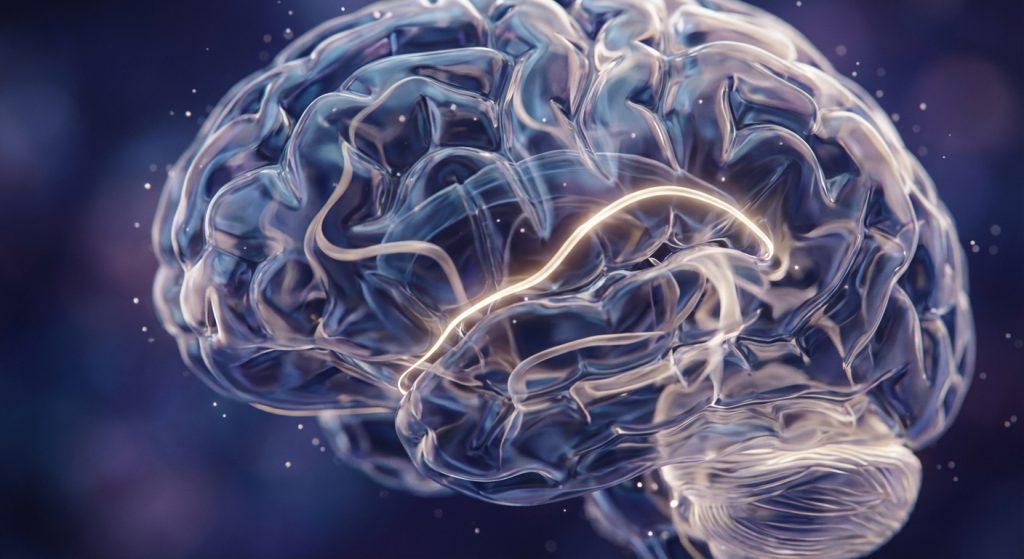
Encephalitis is a serious condition. It involves inflammation of the brain. This inflammation can cause significant neurological symptoms. Therefore, prompt and effective treatment is crucial. This article outlines the typical treatment path for encephalitis. It aims to provide a clear overview for neurology specialists.
Understanding Encephalitis
Firstly, it’s important to define encephalitis. It is an inflammation of the brain parenchyma. This can be caused by infections. It can also be autoimmune. Symptoms vary widely. They often include fever, headache, and confusion. Seizures and altered consciousness are also common. Furthermore, focal neurological deficits can occur. The severity ranges from mild to life-threatening.
Diagnosis is key. It involves clinical presentation and laboratory tests. Neuroimaging, such as MRI or CT scans, is essential. Lumbar puncture to analyze cerebrospinal fluid (CSF) is also critical. CSF analysis helps identify the cause. It can detect viral, bacterial, or inflammatory markers. Early and accurate diagnosis guides treatment decisions.
Initial Management and Stabilization
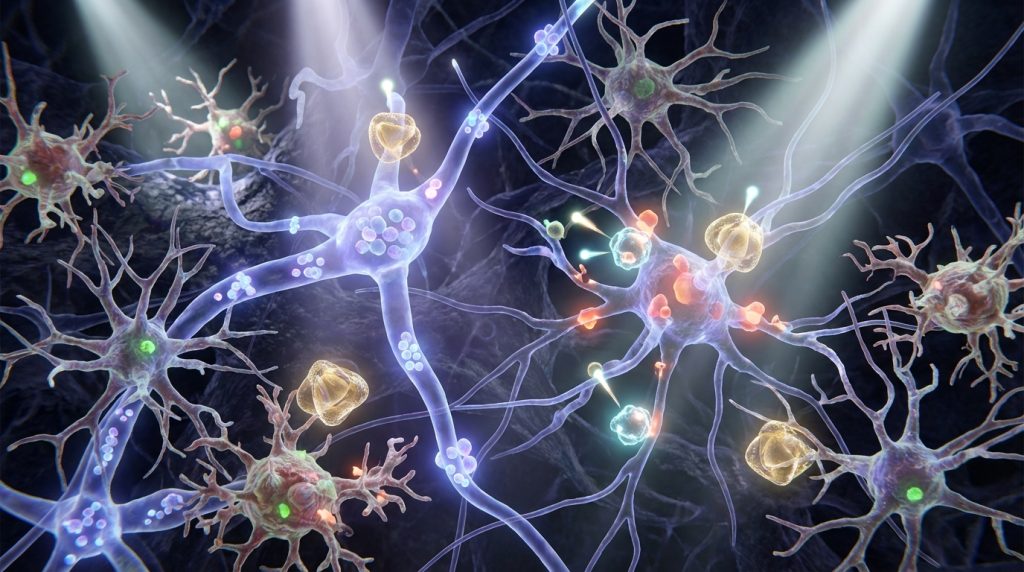
The immediate goal is patient stabilization. This is especially true for severe cases. Airway, breathing, and circulation (ABC) must be secured. Patients often require intensive care unit (ICU) admission. Monitoring vital signs is paramount. Seizure management is a priority. Anticonvulsant medications are administered promptly. This prevents further neurological damage.
Intracranial pressure (ICP) management is also vital. Elevated ICP can lead to secondary brain injury. Measures include head elevation and osmotic therapy. Sedation may be necessary. In severe cases, mechanical ventilation might be required. Therefore, a multidisciplinary approach is essential from the outset.
Specific Etiological Treatment
Treatment strategy heavily depends on the cause. Identifying the specific pathogen or autoimmune trigger is paramount. This guides the choice of antiviral, antibiotic, or immunosuppressive therapy.
Viral Encephalitis Treatment
Viral causes are common. Herpes simplex virus (HSV) encephalitis is a prime example. It requires prompt treatment with intravenous acyclovir. This is a critical intervention. Early treatment significantly improves outcomes. Other viral causes may necessitate different approaches. For instance, enteroviruses are common but often self-limiting. However, supportive care remains crucial.
For arboviruses like West Nile virus, there is no specific antiviral. Treatment is primarily supportive. This includes managing symptoms and complications. Research into novel antiviral therapies is ongoing. For example, advancements in understanding viral pathogenesis are crucial. You can learn more about Nipah viral pathogenesis to grasp the complexity of such infections.
Bacterial and Fungal Encephalitis
Bacterial meningitis can sometimes extend to encephalitis. Prompt administration of broad-spectrum antibiotics is crucial. Lumbar puncture results guide antibiotic selection. This is typically followed by targeted therapy. Fungal encephalitis is less common. It often affects immunocompromised individuals. Antifungal medications are the mainstay of treatment. Examples include amphotericin B or fluconazole.
Autoimmune Encephalitis Treatment
Autoimmune encephalitis is a growing area of diagnosis. These conditions involve the immune system attacking the brain. Treatment focuses on suppressing the immune response. This often involves:
- Intravenous immunoglobulin (IVIg)
- Plasma exchange (PLEX)
- Corticosteroids
- Immunosuppressive drugs like rituximab or azathioprine
Identifying specific antibodies can guide treatment. However, treatment often starts empirically. Early intervention is key to preventing long-term disability. Understanding the nuances of autoimmune disorders is important for specialists. For instance, exploring monoclonal antibody therapy offers insights into targeted immune modulation.
Supportive Care Strategies
Beyond specific treatments, robust supportive care is essential. This addresses the diverse symptoms and potential complications of encephalitis.
Symptomatic Management
Pain management is important. Headaches are common. Non-opioid analgesics are often used. Fever reduction is also critical. Antipyretics help manage elevated body temperature. Nausea and vomiting may require antiemetic medications. Dehydration must be prevented. Intravenous fluids are often administered.
Nutritional Support
Patients may have difficulty swallowing. This can lead to malnutrition. Nutritional assessment is vital. Enteral feeding, such as nasogastric tubes, may be necessary. In some cases, parenteral nutrition might be required. Adequate nutrition supports recovery and immune function.
Rehabilitation Services
Encephalitis can cause lasting neurological deficits. Rehabilitation plays a crucial role. This includes:
- Physical therapy: To improve motor skills and mobility.
- Occupational therapy: To help with daily living activities.
- Speech therapy: For swallowing difficulties and communication issues.
- Cognitive rehabilitation: To address memory and attention problems.
Early initiation of rehabilitation is beneficial. It can significantly improve functional outcomes. Also, it helps patients regain independence. The long-term impact of such conditions underscores the need for comprehensive care.
Monitoring and Follow-Up
Continuous monitoring is essential throughout the treatment course. This helps detect any deterioration or new complications. Regular neurological assessments are performed. Vital signs are closely watched. Laboratory parameters are rechecked. Neuroimaging may be repeated to assess treatment response or complications.
Once stabilized, patients require careful follow-up. This is to monitor for relapses. It also addresses long-term sequelae. Regular appointments with neurologists are scheduled. Neuropsychological assessments may be conducted. Rehabilitation services often continue long-term. The recovery process can be lengthy. Therefore, ongoing support is vital.
Prognosis and Long-Term Outlook
The prognosis for encephalitis varies greatly. It depends on the cause, severity, and promptness of treatment. Some individuals make a full recovery. Others may experience permanent neurological deficits. These can include:
- Cognitive impairments (memory loss, attention deficits)
- Motor deficits (weakness, spasticity)
- Behavioral changes (irritability, personality shifts)
- Epilepsy
Factors influencing prognosis include the patient’s age and overall health. Prompt and appropriate treatment improves outcomes. Therefore, vigilance and timely intervention are paramount. Understanding the potential long-term effects helps in managing patient and family expectations.
Emerging Treatments and Future Directions
Research continues to advance encephalitis treatment. Novel antiviral agents are being developed. New immunotherapies show promise for autoimmune forms. Gene therapy is also an area of exploration. Furthermore, improved diagnostic tools are emerging. These include rapid molecular tests. They can identify pathogens more quickly. This allows for faster treatment initiation.
The “One Health” approach is increasingly recognized. This emphasizes the interconnectedness of human, animal, and environmental health. Understanding zoonotic origins of some encephalitis cases is key. This might involve monitoring bat populations, for instance. Learn more about One Health strategy to grasp its broader implications.
Frequently Asked Questions (FAQ)
What are the most common causes of encephalitis?
The most common causes are viral infections, such as herpes simplex virus (HSV), enteroviruses, and arboviruses. Autoimmune responses are also significant causes.
How is encephalitis diagnosed?
Diagnosis involves a combination of clinical symptoms, neurological examination, blood tests, cerebrospinal fluid (CSF) analysis via lumbar puncture, and neuroimaging like MRI or CT scans.
Is encephalitis contagious?
Some forms of encephalitis are contagious, particularly those caused by viruses like enteroviruses and arboviruses. However, not all causes are infectious; autoimmune encephalitis is not contagious.
What is the treatment for West Nile virus encephalitis?
There is no specific antiviral treatment for West Nile virus encephalitis. Treatment is primarily supportive, focusing on managing symptoms, preventing complications, and maintaining vital functions.
Can a person fully recover from encephalitis?
Full recovery is possible, especially with prompt and effective treatment. However, some individuals may experience long-term neurological deficits, depending on the severity and cause of the inflammation.
What is the role of rehabilitation in encephalitis recovery?
Rehabilitation, including physical, occupational, and speech therapy, is crucial for regaining lost function, improving daily living skills, and enhancing overall quality of life after encephalitis.
Conclusion
In conclusion, the treatment path for encephalitis is complex. It requires a swift, multidisciplinary approach. Initial stabilization is critical. Then, identifying and treating the specific cause is paramount. Supportive care and rehabilitation are equally important. Continuous monitoring and long-term follow-up ensure the best possible outcomes. As research progresses, new therapies offer hope for improved management and recovery. Understanding the nuances of each etiological factor is key for neurology specialists to provide optimal patient care.
